Banana VS Drink
A detailed nutritional comparison
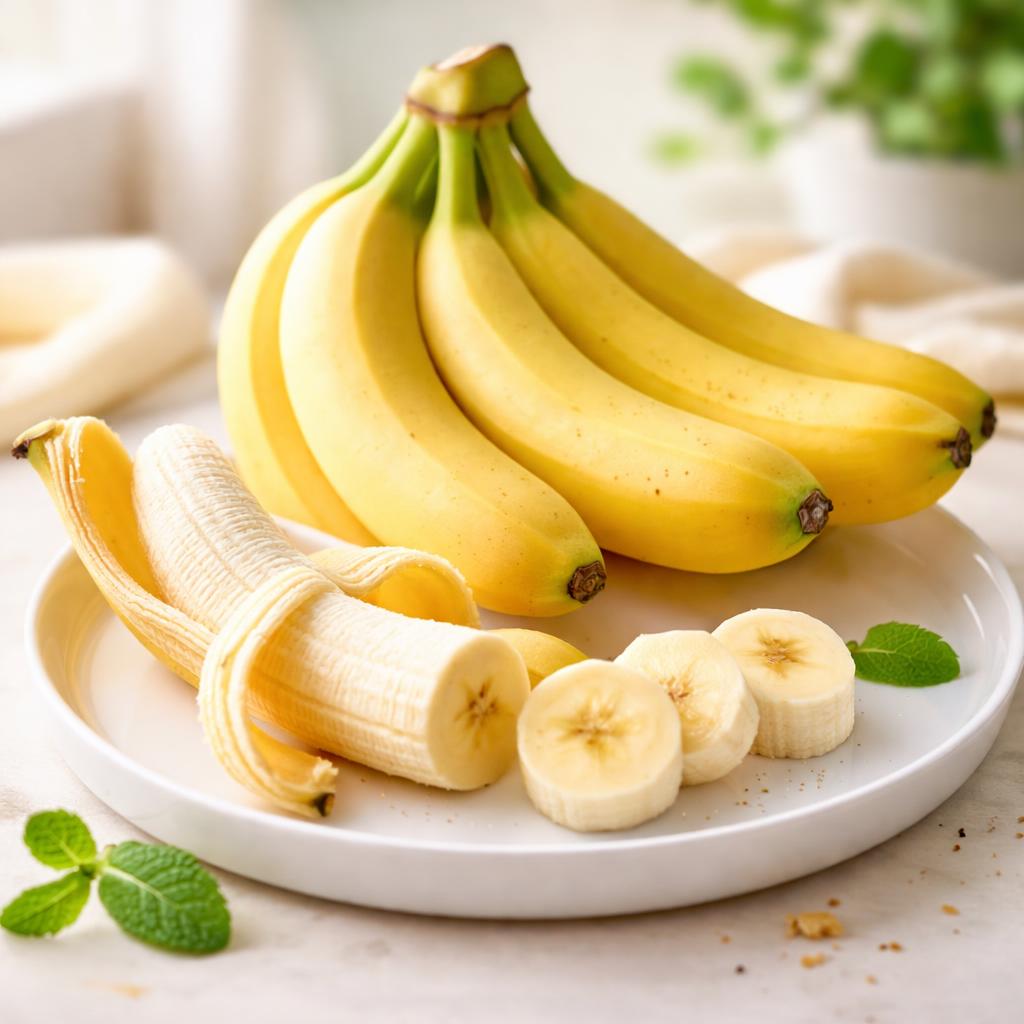
Banana
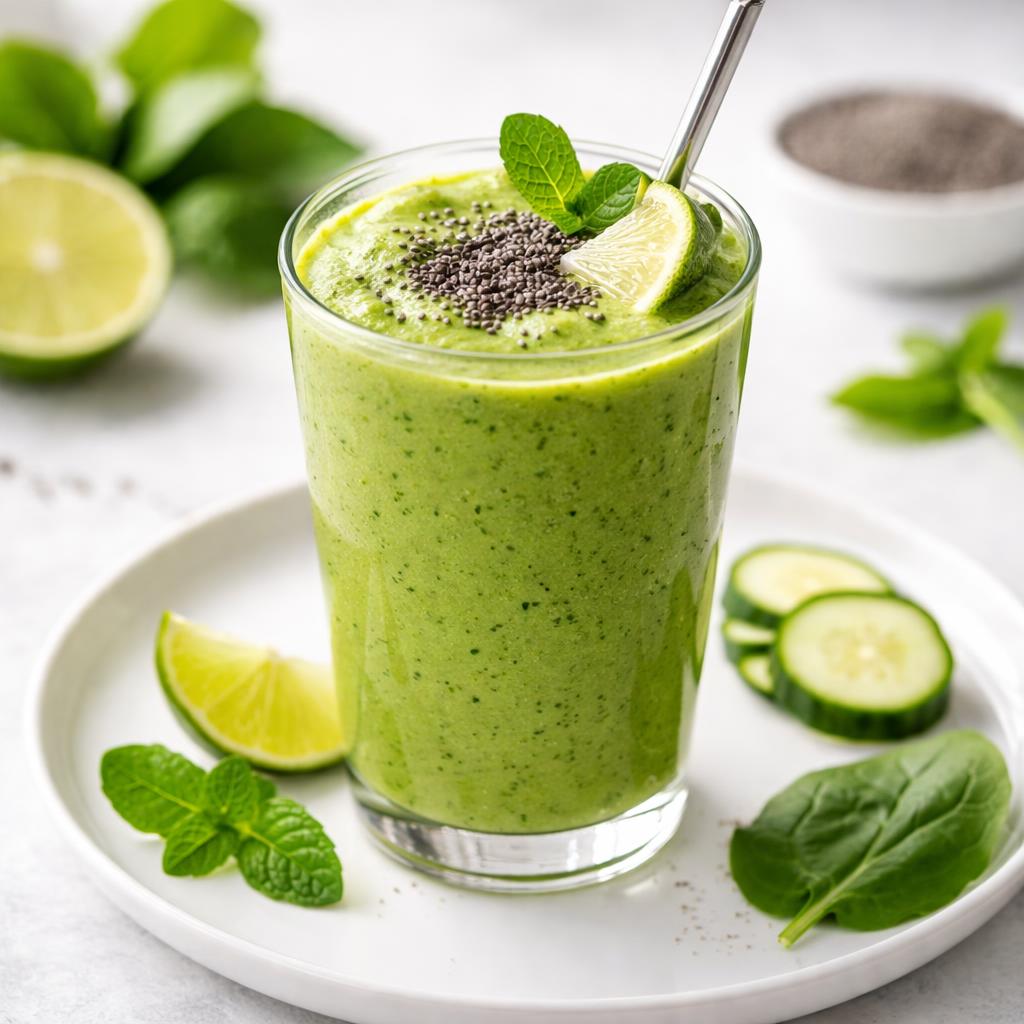
Drink
🎯 Quick Verdict
Bananas are nutrient-dense, offering higher fiber, lower calories, and essential nutrients like potassium. Drinks, depending on composition, may excel in protein content and hydration. Bananas are ideal for quick energy and digestion, while the drink might suit post-workout recovery if rich in protein and electrolytes.

Smart Nutrition Tracking with SnapCalorie

📊 Nutritional Comparison
Macronutrients
| Nutrient | Food 1 | Food 2 | Winner |
|---|---|---|---|
| Calories | 105 | 150 | − |
| Protein | 1.3g | 8g | − |
| Carbs | 27g | 12g | − |
| Fat | 0.3g | 2g | − |
| Fiber | 3g | 0.5g | − |
Vitamins & Minerals
| Nutrient | Food 1 | Food 2 | Winner |
|---|---|---|---|
| Vitamin D | 0mcg | 2mcg | − |
| Calcium | 5mg | 200mg | − |
| Potassium | 422mg | 50mg | − |
| Vitamin C | 10mg | 0mg | − |
🏆 Category Winners
Protein
Drink contains 6 times more protein than a banana.
Fiber
Banana provides 6 times more fiber than drink.
Calories
Banana has 30% fewer calories per serving.
Vitamins
Banana excels in potassium and vitamin C content, crucial for energy and immunity.
🥗 Diet Compatibility
Keto
Food 1: Not Compatible
Food 2: Conditional
Banana is high in carbs, drink may fit if low in carbs.
Vegan
Food 1: Compatible
Food 2: Conditional
Bananas are plant-based, drink compatibility depends on ingredients.
Gluten Free
Food 1: Compatible
Food 2: Compatible
Neither contains gluten.
Paleo
Food 1: Compatible
Food 2: Conditional
Bananas align with paleo diets; drinks may vary by ingredients.
Low-Carb
Food 1: Not Compatible
Food 2: Compatible
Banana is high in carbs while drink may be lower-carb if formulated as such.
💪 Health Benefits Comparison
Food 1 Benefits
- Rich in potassium for heart health and muscle function
- Provides dietary fiber for digestion and gut health
- Contains natural sugars for quick energy
- Good source of vitamin C for immune support
Food 2 Benefits
- High protein content supports muscle repair and growth
- May contain calcium and vitamin D for bone health
- Can replenish electrolytes if drink contains sodium or potassium
- Convenient hydration option and energy source
✅ The Bottom Line
Bananas are excellent for quick energy, digestion, and nutrient density, making them ideal pre-workout or as a snack. Drinks, particularly protein-rich or electrolyte-enhanced options, are better suited for post-workout recovery or situations requiring hydration with added nutrition.
Choose Food 1 for: Quick energy, digestion, pre-workout, portable snack
Choose Food 2 for: Post-workout recovery, hydration, muscle repair


