Banana VS Dirty Rice
A detailed nutritional comparison
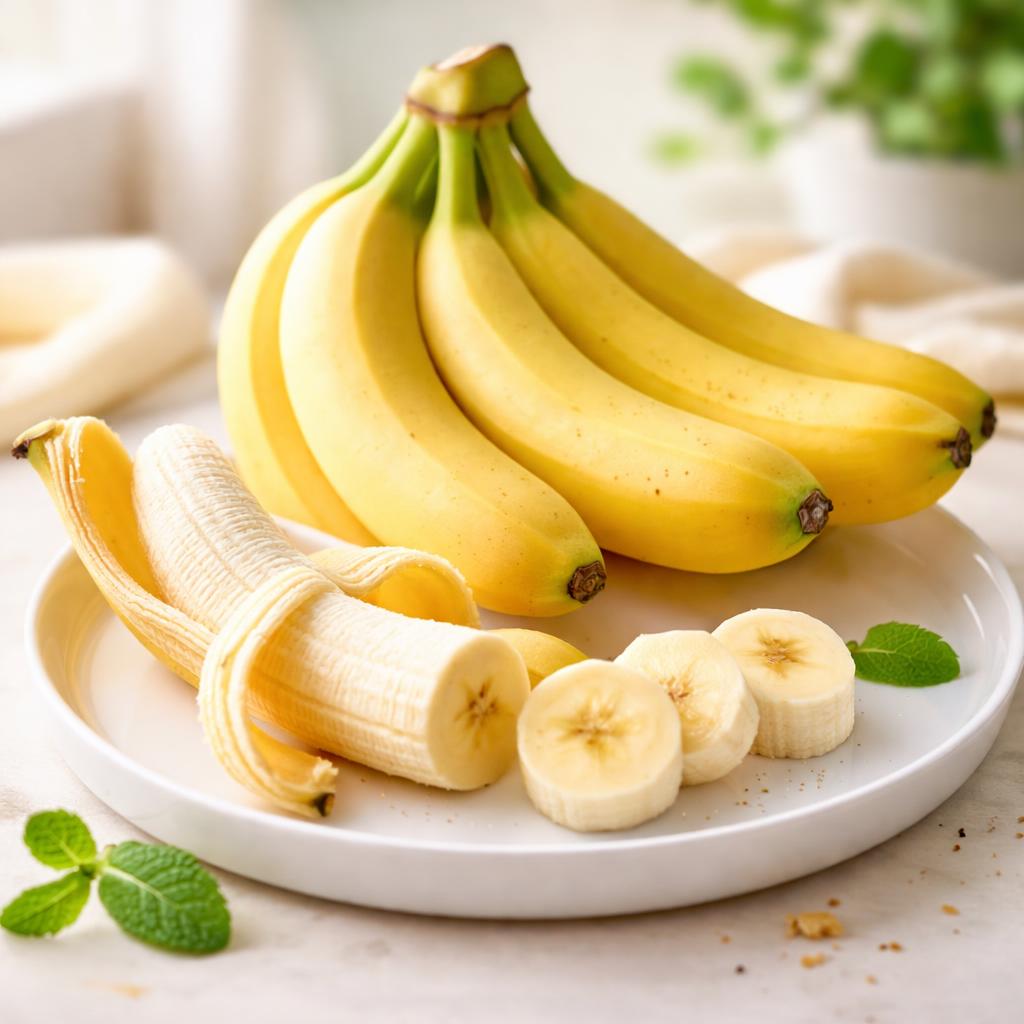
Banana
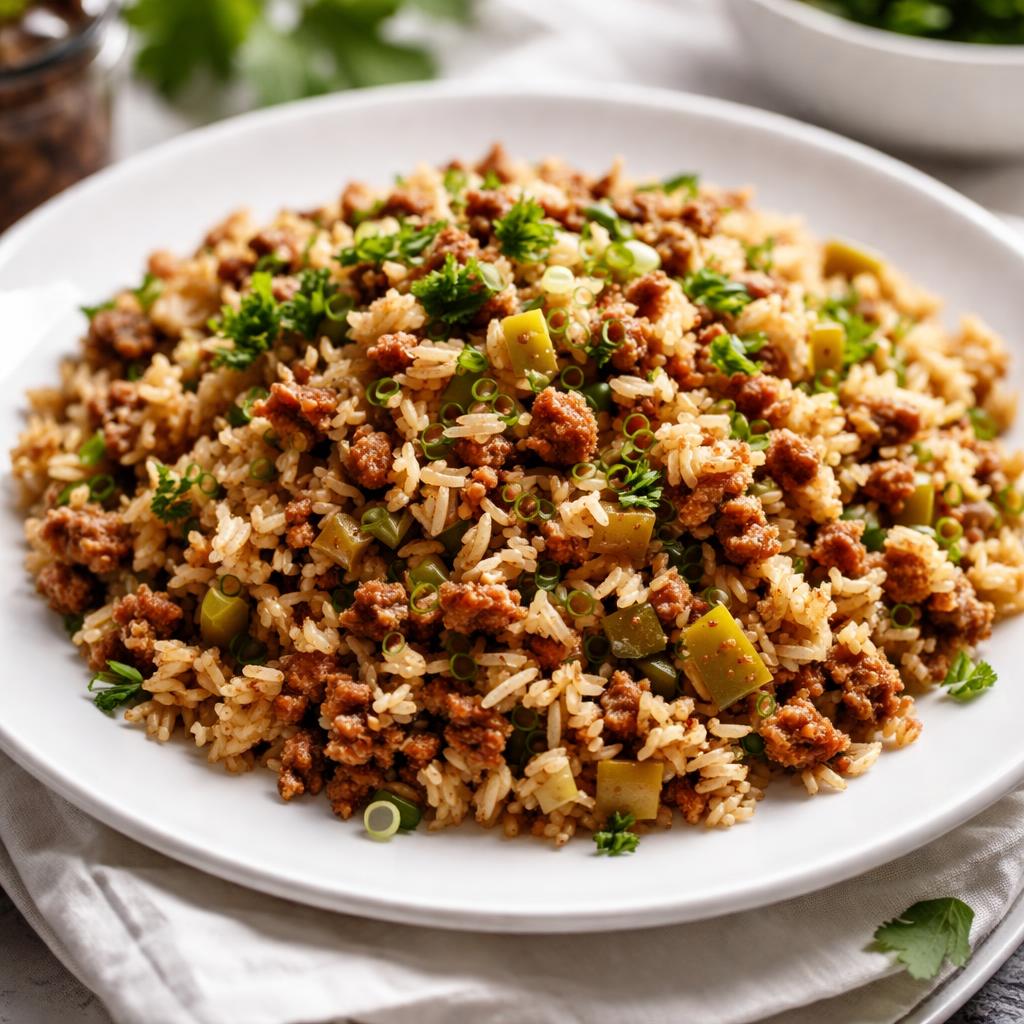
Dirty Rice
🎯 Quick Verdict
Bananas are lower in calories and provide more fiber while offering natural sugars and essential vitamins like potassium. Dirty rice is higher in protein, calories, and healthy fats, making it a more complete and energy-dense meal. Choose bananas for a light snack or digestion support and dirty rice for a hearty, filling option with wider vitamin and mineral diversity.

Smart Nutrition Tracking with SnapCalorie

📊 Nutritional Comparison
Macronutrients
| Nutrient | Food 1 | Food 2 | Winner |
|---|---|---|---|
| Calories | 105 | 215 | ✓ |
| Protein | 1g | 8g | ✓ |
| Carbs | 27g | 28g | ✓ |
| Fat | 0.3g | 7g | ✓ |
| Fiber | 3g | 1g | ✓ |
Vitamins & Minerals
| Nutrient | Food 1 | Food 2 | Winner |
|---|---|---|---|
| Vitamin C | 10mg | 3mg | ✓ |
| Vitamin B6 | 0.4mg | 0.1mg | ✓ |
| Iron | 0.3mg | 2mg | ✓ |
| Potassium | 422mg | 180mg | ✓ |
🏆 Category Winners
Protein
Dirty rice contains 8g of protein, significantly more than banana's 1g.
Fiber
Bananas have three times more fiber than dirty rice.
Calories
Bananas are lower in calories with only 105 per serving vs dirty rice's 215.
Vitamins
Bananas are richer in Vitamin C and potassium, beneficial for immune and heart health.
🥗 Diet Compatibility
Keto
Food 1: Not Compatible
Food 2: Not Compatible
Both are high in carbs exceeding typical keto limits.
Vegan
Food 1: Compatible
Food 2: Compatible
Both foods align with plant-based diets.
Gluten Free
Food 1: Compatible
Food 2: Not Compatible
Dirty rice may contain gluten depending on ingredients used.
Paleo
Food 1: Compatible
Food 2: Not Compatible
Bananas fit paleo guidelines while dirty rice often includes non-paleo additives.
Low-Carb
Food 1: Not Compatible
Food 2: Not Compatible
Both foods contain high carb counts unsuitable for low-carb diets.
💪 Health Benefits Comparison
Food 1 Benefits
- Provides natural sugars for quick energy
- Rich in potassium aiding muscle and heart function
- High in dietary fiber for digestion support
- Contains Vitamin C boosting immunity
Food 2 Benefits
- High protein content supports muscle repair and growth
- Contains healthy fats for sustained energy
- Rich in minerals like iron for oxygen transport
- More calorie-dense, ideal for energy-intensive activities
✅ The Bottom Line
Bananas are the better choice for a low-calorie, fiber-rich snack and quick energy, ideal for digestion and immediate nutrient needs. Dirty rice is a more complete and energy-dense meal, perfect for protein intake and sustained energy during active days.
Choose Food 1 for: Light snacks, digestion support, quick energy boosts
Choose Food 2 for: Hearty meals, muscle growth, energy-intensive activities


