Banana VS Beets
A detailed nutritional comparison
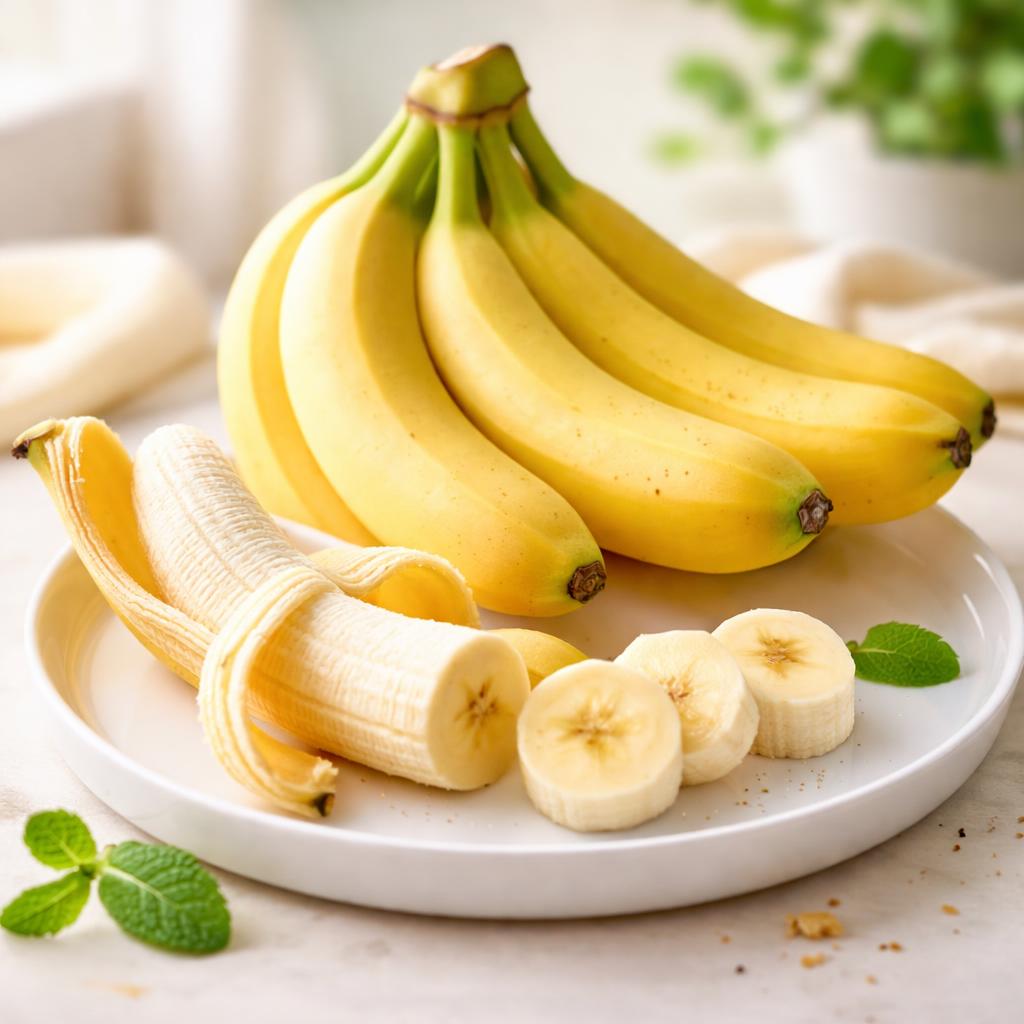
Banana
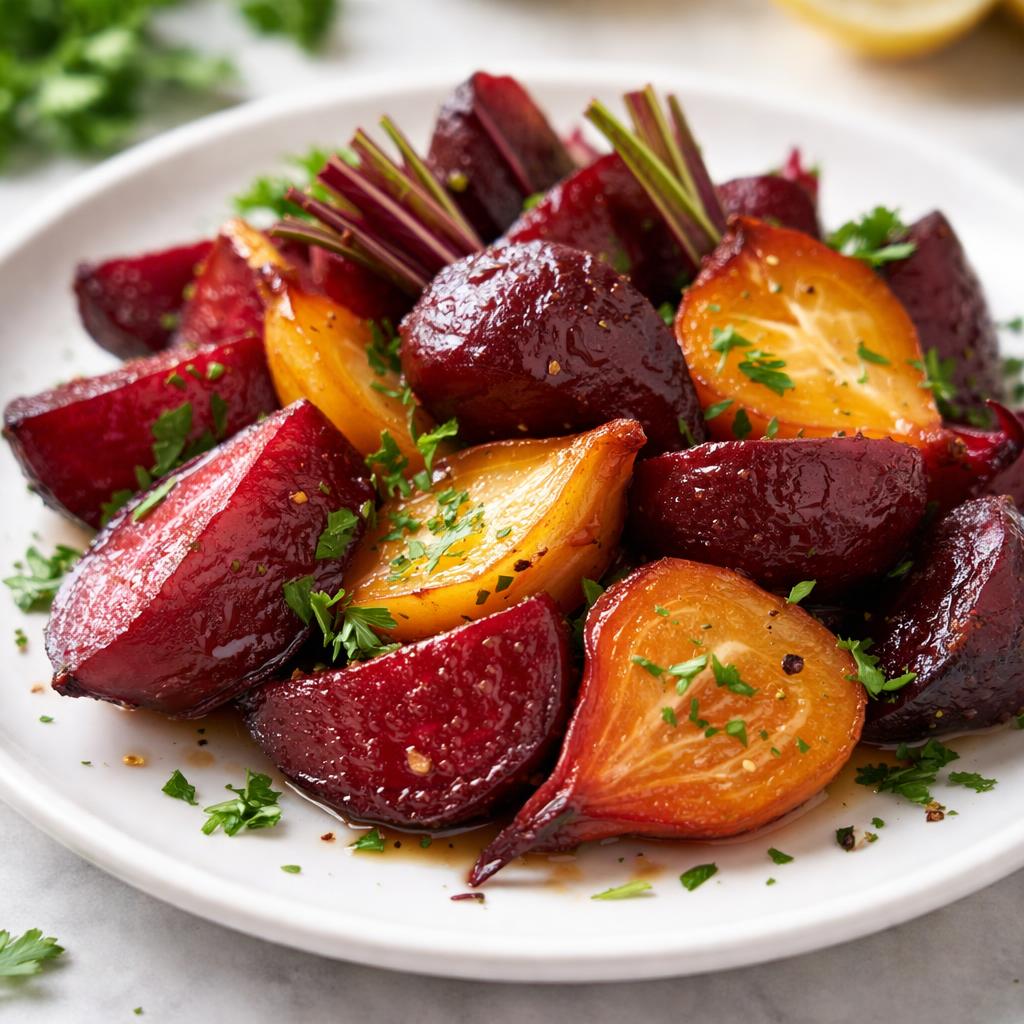
Beets
🎯 Quick Verdict
Bananas and beets offer distinct nutritional benefits. Bananas are lower in calories and higher in quick-digesting carbohydrates, making them ideal for energy boosts. Beets provide more fiber and a wide array of vitamins and antioxidants, supporting heart health and digestion. Both are excellent plant-based options, but their use cases vary considerably depending on dietary goals.

Smart Nutrition Tracking with SnapCalorie

📊 Nutritional Comparison
Macronutrients
| Nutrient | Food 1 | Food 2 | Winner |
|---|---|---|---|
| Calories | 105 | 58 | ✓ |
| Protein | 1.3g | 1.6g | − |
| Carbs | 27g | 13g | ✓ |
| Fat | 0.3g | 0.2g | − |
| Fiber | 3.1g | 3.8g | ✓ |
Vitamins & Minerals
| Nutrient | Food 1 | Food 2 | Winner |
|---|---|---|---|
| Vitamin C | 10.3mg | 4.9mg | ✓ |
| Potassium | 422mg | 259mg | ✓ |
| Iron | 0.3mg | 0.8mg | ✓ |
| Folate | 24mcg | 148mcg | ✓ |
🏆 Category Winners
Protein
Both foods provide comparable protein amounts.
Fiber
Beets contain 22% more fiber per serving than bananas.
Calories
Bananas are higher in calories but provide sustained energy.
Vitamins
Beets excel in folate and iron, while bananas are higher in Vitamin C and potassium.
🥗 Diet Compatibility
Keto
Food 1: Not Compatible
Food 2: Not Compatible
Both are relatively high in carbohydrates.
Vegan
Food 1: Compatible
Food 2: Compatible
Both are fully plant-based foods.
Gluten Free
Food 1: Compatible
Food 2: Compatible
Neither contains gluten.
Paleo
Food 1: Compatible
Food 2: Compatible
Both align with Paleo principles.
Low Carb
Food 1: Not Compatible
Food 2: Moderately Compatible
Beets have fewer carbs than bananas and are slightly better for a low-carb diet.
💪 Health Benefits Comparison
Food 1 Benefits
- Rich in potassium for optimal heart and muscle function
- Contains fast-absorbing carbs for quick energy boosts
- Good source of Vitamin C for immune support
Food 2 Benefits
- Excellent source of folate for brain and prenatal health
- Rich in antioxidants like betalains, contributing to anti-inflammatory properties
- A good source of dietary fiber for improved digestion
✅ The Bottom Line
Bananas are best for quick energy, on-the-go snacks, or post-workout recovery due to their carbohydrate composition and Vitamin C. Beets are ideal for heart health, digestion, and those seeking more nutrient-dense foods. Choose based on your dietary goals and specific needs.
Choose Food 1 for: Quick energy, workouts, snacks
Choose Food 2 for: Heart health, digestion, nutrient density


