Banana VS Banana Slices
A detailed nutritional comparison
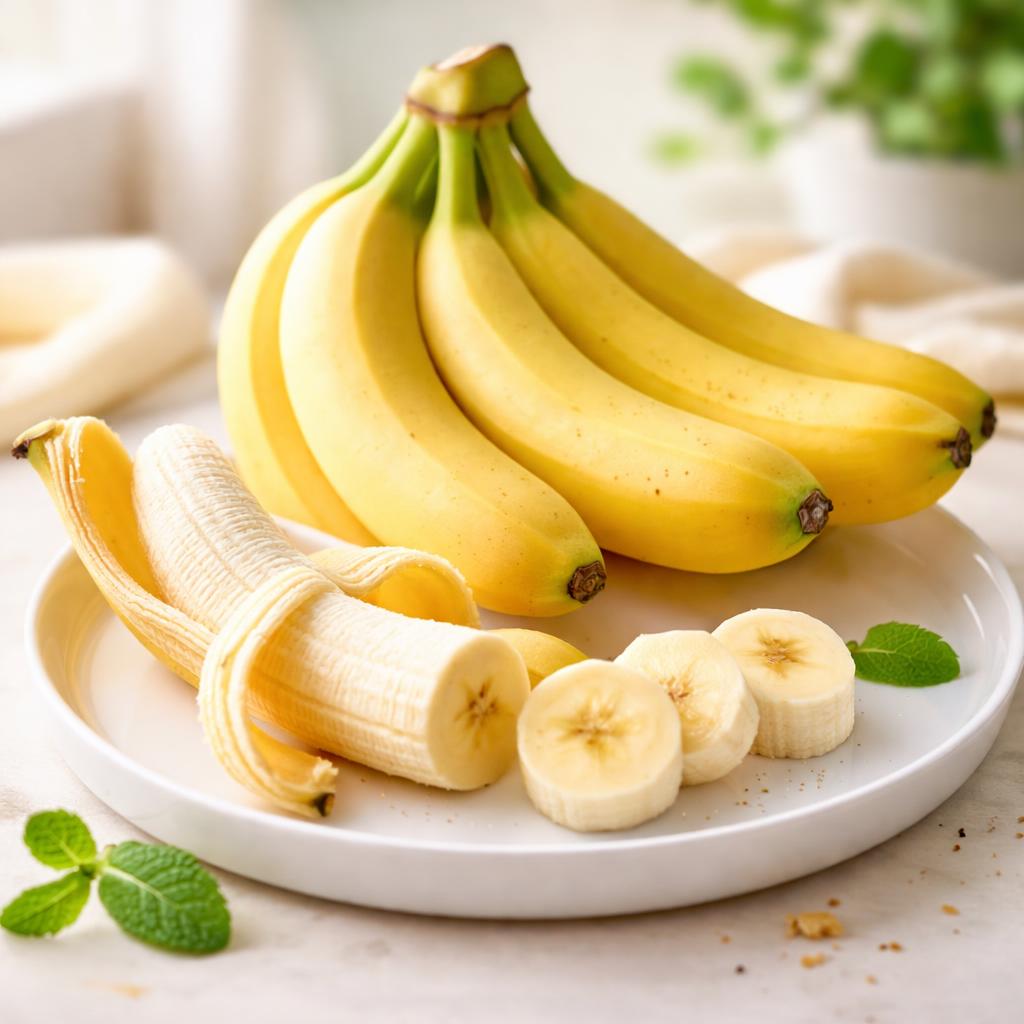
Banana
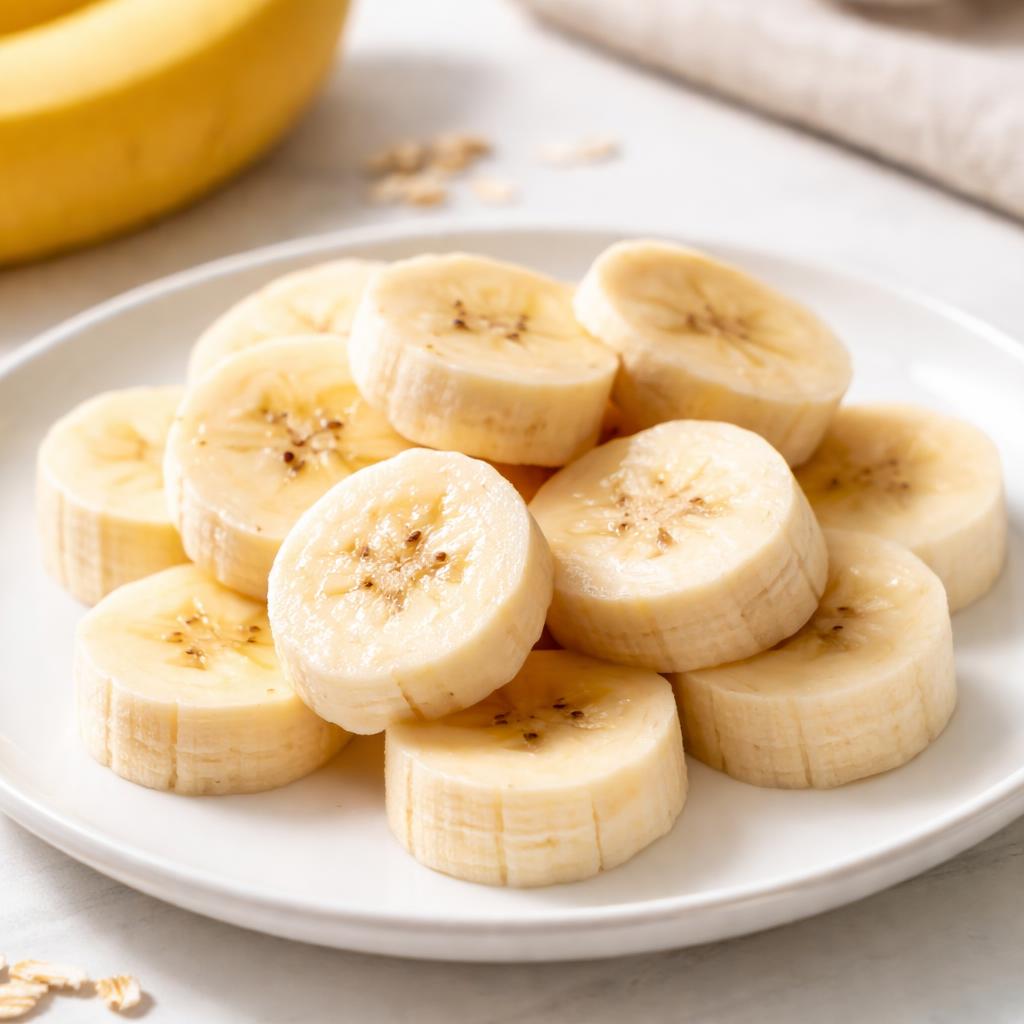
Banana Slices
🎯 Quick Verdict
There are minimal differences between a whole banana and banana slices since the latter is simply prepared from the former. Nutritional values are nearly identical at equal serving sizes, making both options interchangeable. Choose the whole banana for convenience and portability, while banana slices work well for salads or toppings.

Smart Nutrition Tracking with SnapCalorie

📊 Nutritional Comparison
Macronutrients
| Nutrient | Food 1 | Food 2 | Winner |
|---|---|---|---|
| Calories | 105 | 105 | − |
| Protein | 1.3g | 1.3g | − |
| Carbs | 27g | 27g | − |
| Fat | 0.3g | 0.3g | − |
| Fiber | 3.1g | 3.1g | − |
Vitamins & Minerals
| Nutrient | Food 1 | Food 2 | Winner |
|---|---|---|---|
| Vitamin C | 10.3mg | 10.3mg | − |
| Vitamin B6 | 0.4mg | 0.4mg | − |
| Potassium | 422mg | 422mg | − |
🏆 Category Winners
Protein
Both have identical protein content per serving.
Fiber
Both provide the same amount of dietary fiber per serving.
Calories
Serving sizes yield identical caloric values.
🥗 Diet Compatibility
Keto
Food 1: Not Compatible
Food 2: Not Compatible
Bananas are high in carbs and not suitable for a keto diet.
Vegan
Food 1: Compatible
Food 2: Compatible
Both are plant-based.
Gluten Free
Food 1: Compatible
Food 2: Compatible
Neither contains gluten.
Paleo
Food 1: Compatible
Food 2: Compatible
Whole bananas and banana slices align with paleo principles.
Low Carb
Food 1: Not Compatible
Food 2: Not Compatible
Bananas are moderately high in carbs and not suitable for low-carb diets.
💪 Health Benefits Comparison
Food 1 Benefits
- Rich in potassium for heart health
- Provides quick energy due to natural sugars
- Good source of dietary fiber for digestion
- Contains Vitamin C for immune support
Food 2 Benefits
- Convenient for portion control and meal prepping
- Rich in potassium for muscle and nerve function
- Provides antioxidants that combat free radicals
- Natural sugar source to boost energy levels
✅ The Bottom Line
Banana slices and whole bananas are nutritionally identical; the choice largely depends on the form that suits your culinary needs or convenience. Whole bananas are ideal for portable snacks, while banana slices are great for toppings, salads, or smoothies.
Choose Food 1 for: Portability, snacking, eating on the go
Choose Food 2 for: Meal prep, toppings, smoothies, portion control


