Banana VS Artichoke Heart
A detailed nutritional comparison
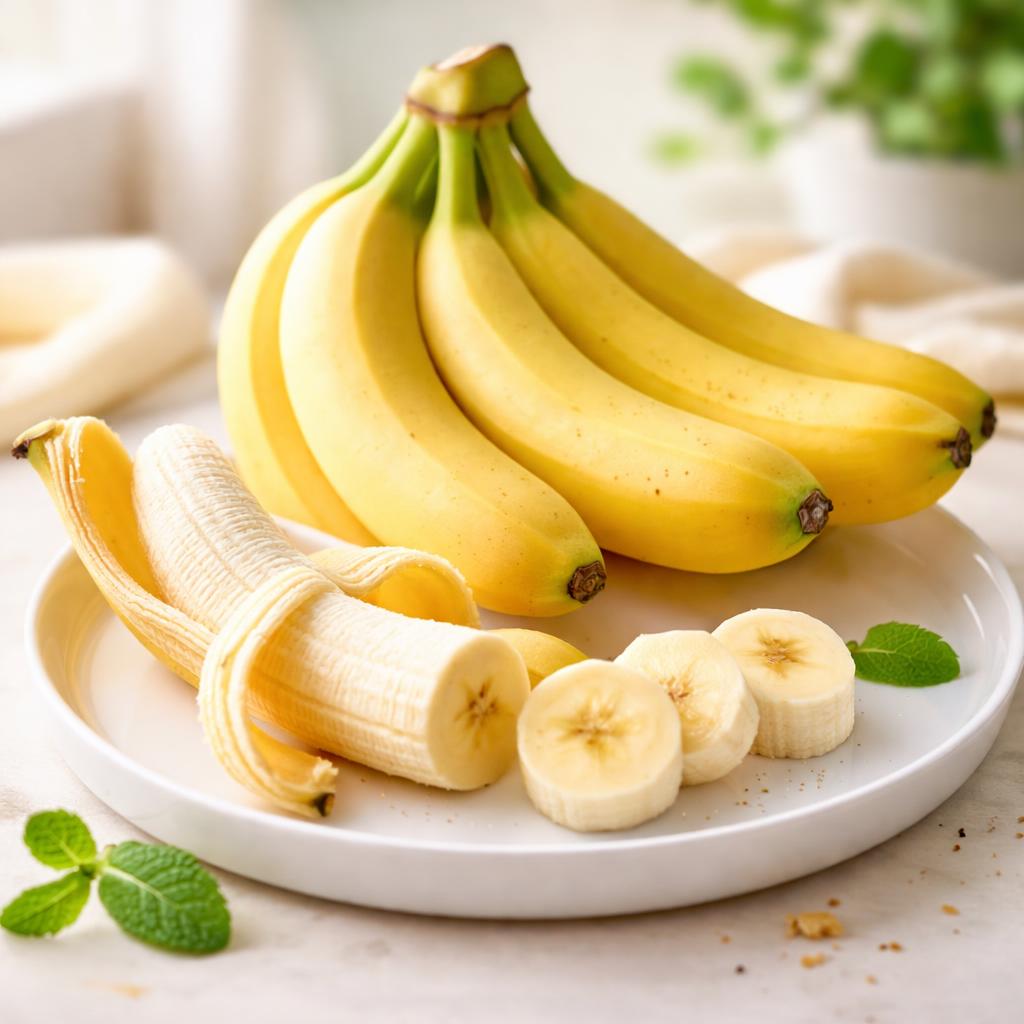
Banana
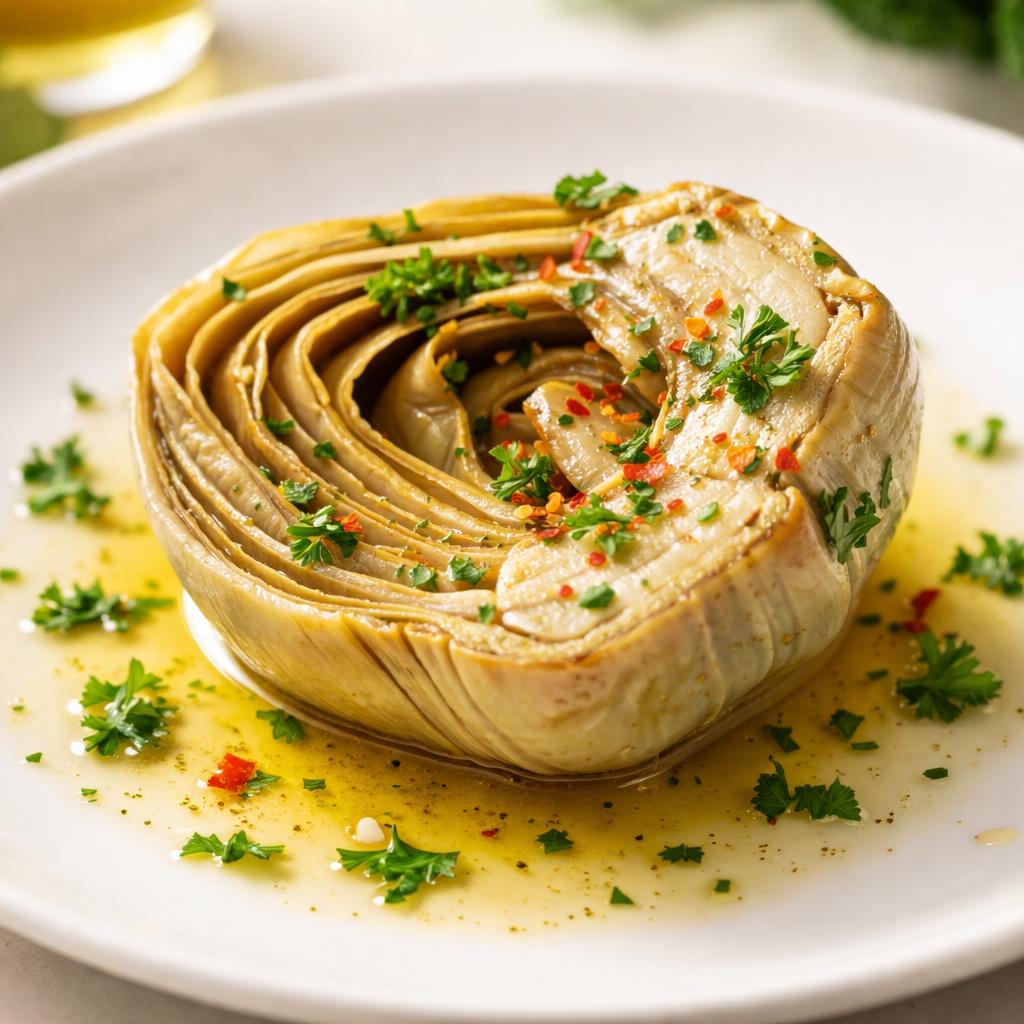
Artichoke Heart
🎯 Quick Verdict
Banana and artichoke heart serve different nutritional purposes. Bananas are lower in calories, offering more carbs, potassium, and natural sugars, making them great for quick energy. Artichoke hearts excel in fiber and protein content, making them ideal for digestion and satiety. Both foods are versatile but shine in different dietary applications.

Smart Nutrition Tracking with SnapCalorie

📊 Nutritional Comparison
Macronutrients
| Nutrient | Food 1 | Food 2 | Winner |
|---|---|---|---|
| Calories | 89 | 60 | ✓ |
| Protein | 1.1g | 4.2g | ✓ |
| Carbs | 23g | 13g | ✓ |
| Fat | 0.3g | 0.2g | ✓ |
| Fiber | 2.6g | 7g | ✓ |
Vitamins & Minerals
| Nutrient | Food 1 | Food 2 | Winner |
|---|---|---|---|
| Vitamin C | 8.7mg | 11mg | ✓ |
| Vitamin B6 | 0.4mg | 0.2mg | ✓ |
| Potassium | 358mg | 370mg | ✓ |
| Iron | 0.3mg | 0.8mg | ✓ |
🏆 Category Winners
Protein
Artichoke heart provides nearly 4x more protein per serving compared to banana.
Fiber
Artichoke heart contains nearly 3x more fiber per serving than banana.
Calories
Artichoke heart has around 30% fewer calories than banana per serving.
Vitamins
Artichoke heart edges out banana in vitamin C, potassium, and iron, making it more mineral-dense.
🥗 Diet Compatibility
Keto
Food 1: Not Compatible
Food 2: Compatible
Artichoke heart is low-carb, while banana is high in natural sugars.
Vegan
Food 1: Compatible
Food 2: Compatible
Both foods are plant-based.
Gluten Free
Food 1: Compatible
Food 2: Compatible
Neither food contains gluten.
Paleo
Food 1: Compatible
Food 2: Compatible
Both fit into paleo diets as whole foods.
Low-Carb
Food 1: Not Compatible
Food 2: Compatible
Artichoke heart is low-carb (13g per serving), vs banana (23g per serving).
💪 Health Benefits Comparison
Food 1 Benefits
- Contains potassium for heart and muscle function
- Provides quick energy via natural sugars
- Supports immunity with vitamin B6 and small amounts of vitamin C
Food 2 Benefits
- High in fiber for digestive health
- Contains lean protein for satiety and muscle repair
- Rich in antioxidants and minerals such as potassium and iron for overall health
✅ The Bottom Line
Bananas are great for quick energy and post-workout nutrient replenishment, while artichoke hearts excel in fiber and protein, making them ideal for digestion and supporting weight loss through satiety. Choose depending on your dietary goals and activity needs.
Choose Food 1 for: Sports performance, quick energy boost, potassium replenishment
Choose Food 2 for: Weight loss, digestion support, nutrient-rich meals


