Avocado VS Mayonnaise
A detailed nutritional comparison
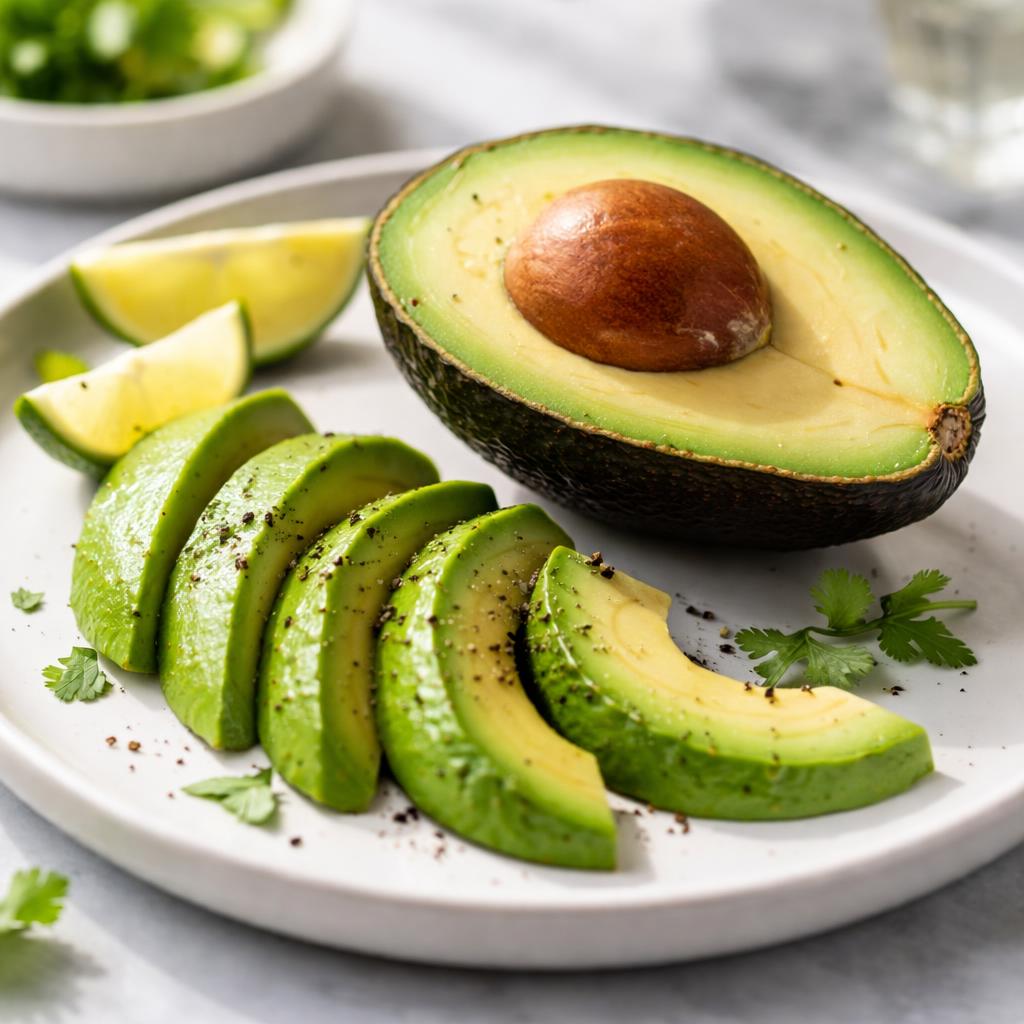
Avocado
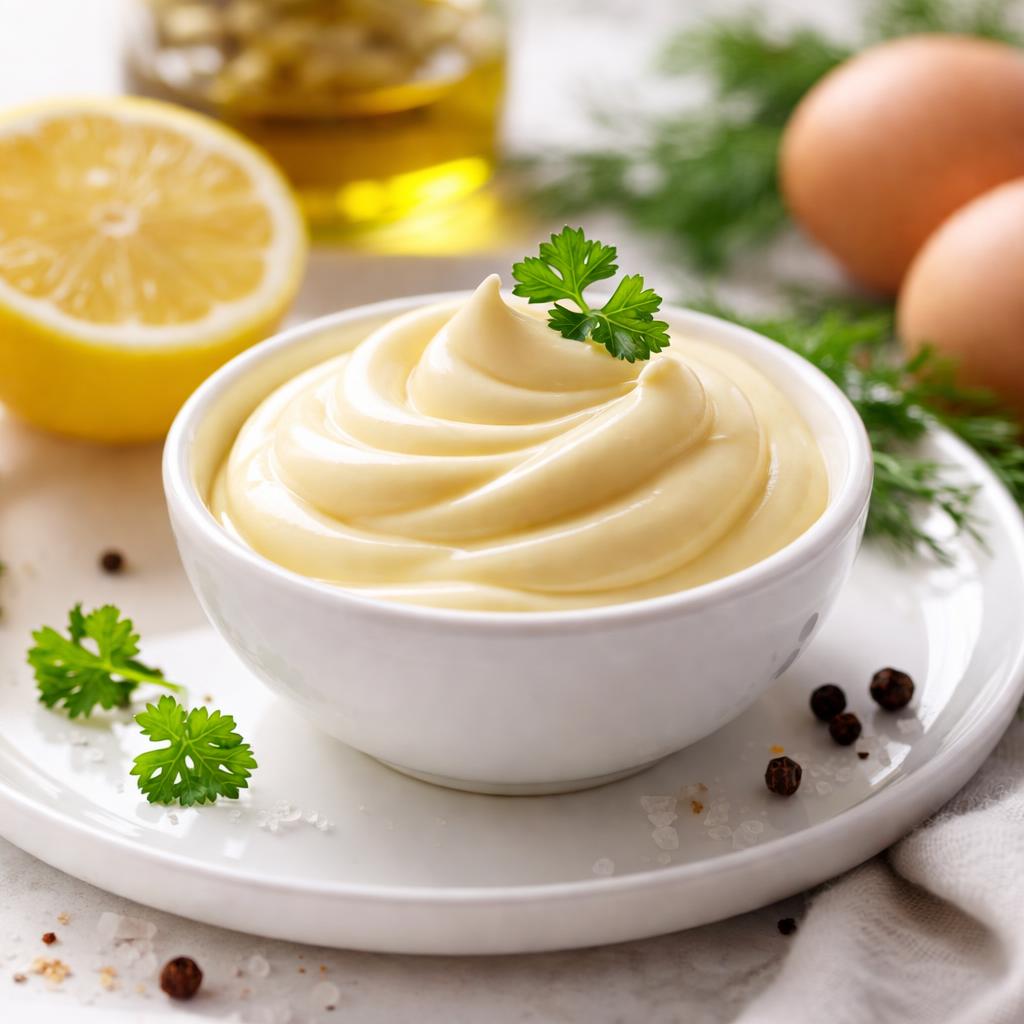
Mayonnaise
🎯 Quick Verdict
Avocado and mayonnaise both serve different nutritional purposes. Avocado is naturally nutrient-dense and provides healthy fats alongside fiber, vitamins, and minerals, while mayonnaise is much higher in calories and fat but lacks fiber or significant vitamins. Avocado is ideal for a balanced, whole-food diet, whereas mayonnaise suits flavor enhancement for meals in limited quantities.

Smart Nutrition Tracking with SnapCalorie

📊 Nutritional Comparison
Macronutrients
| Nutrient | Food 1 | Food 2 | Winner |
|---|---|---|---|
| Calories | 160 | 90 (per tbsp) | − |
| Protein | 2g | 0g | ✓ |
| Carbs | 9g | 0.1g | ✓ |
| Fat | 15g | 10g | − |
| Fiber | 7g | 0g | ✓ |
Vitamins & Minerals
| Nutrient | Food 1 | Food 2 | Winner |
|---|---|---|---|
| Vitamin E | 2.7mg | 0.7mg | ✓ |
| Vitamin K | 21mcg | 13mcg | ✓ |
| Folate | 81mcg | 0mcg | ✓ |
🏆 Category Winners
Protein
Avocado contains 2g of protein per serving, while mayonnaise has negligible protein.
Fiber
Avocado is significantly higher in fiber, with 7g compared to none in mayonnaise.
Calories
At a tablespoon serving size, caloric content in both foods is closely matched.
🥗 Diet Compatibility
Keto
Food 1: Compatible
Food 2: Compatible
Both are high-fat and low-carb foods suitable for keto diets.
Vegan
Food 1: Compatible
Food 2: Depends
Avocado is naturally vegan, but traditional mayonnaise typically contains eggs.
Gluten Free
Food 1: Compatible
Food 2: Compatible
Both foods are naturally gluten-free.
Paleo
Food 1: Compatible
Food 2: Not Recommended
Avocado aligns with paleo principles, while mayonnaise may contain non-paleo processed oils.
Low-Carb
Food 1: Compatible
Food 2: Compatible
Both foods are low in carbs, making them suitable for low-carb diets.
💪 Health Benefits Comparison
Food 1 Benefits
- Rich in heart-healthy monounsaturated fats
- High in fiber for improved digestion
- Good source of antioxidants such as lutein for eye health
- Provides essential vitamins like folate and potassium
Food 2 Benefits
- Contains healthy fats if using olive oil-based options
- Adds flavor enhancement to meals
- Small portions can help meet caloric needs during high energy demand
- Vitamin K content may contribute to blood clotting and bone health
✅ The Bottom Line
Avocado is the better choice for overall nutrition, offering fiber, protein, vitamins, and heart-healthy fats. Mayonnaise can enhance taste in moderation but is calorie-heavy with lower nutrient density. For health-conscious eating, prioritize avocado and limit mayonnaise consumption to occasional use.
Choose Food 1 for: Weight management, heart health, nutrient-packed meals
Choose Food 2 for: Flavor addition, calorie boost in small servings


