Avocado Mayonnaise
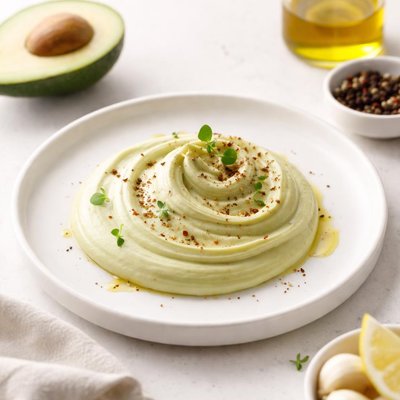
Elevate your condiments game with this creamy, tangy Avocado Mayonnaise recipe—a healthy and delicious alternative to traditional mayo. Made with fresh, ripe avocados, olive oil, and a zesty blend of lemon juice, apple cider vinegar, and Dijon mustard, this easy-to-make spread is packed with flavor and nutritious fats. Seasoned perfectly with garlic powder, salt, and black pepper, it delivers a smooth, velvety texture in just 10 minutes of prep time. Ideal for sandwiches, salads, or dipping, this dairy-free and egg-free mayo is a must-try for anyone seeking a wholesome, plant-based twist on a classic staple. Refrigerate to let the flavors meld and enjoy a fresh burst of taste every time! Keywords: avocado mayonnaise recipe, healthy mayonnaise alternative, dairy-free mayo, egg-free condiment, avocado spread.

Smart Nutrition Tracking with SnapCalorie

Recipe Information
Ingredients
- 2 medium ripe avocado
- 2 tablespoons olive oil
- 2 tablespoons lemon juice
- 1 teaspoon apple cider vinegar
- 1 teaspoon Dijon mustard
- 0.5 teaspoon garlic powder
- 0.5 teaspoon salt
- 0.25 teaspoon black pepper
- 2 tablespoons water
Instructions
Cut the avocados in half, remove the pit, and scoop the flesh into a blender or food processor.
Add the olive oil, lemon juice, apple cider vinegar, and Dijon mustard to the blender.
Add garlic powder, salt, and black pepper.
Start blending on a low speed, gradually increasing to high until the mixture is smooth and creamy. This should take about 1-2 minutes.
If the mixture is too thick, gradually add water, one tablespoon at a time, blending until you reach the desired consistency.
Taste and adjust seasoning if needed, adding more salt or lemon juice as preferred.
Transfer the avocado mayonnaise to a jar or airtight container and refrigerate for at least 30 minutes to allow the flavors to meld.
Store in the refrigerator for up to 3 days. Stir well before using.
Nutrition Facts
Calories |
93 | ||
|---|---|---|---|
% Daily Value* |
|||
| Total Fat | 9.1 g | 12% | |
| Saturated Fat | 1.3 g | 7% | |
| Polyunsaturated Fat | 0.0 g | ||
| Cholesterol | 0 mg | 0% | |
| Sodium | 138 mg | 6% | |
| Total Carbohydrate | 3.7 g | 1% | |
| Dietary Fiber | 2.6 g | 9% | |
| Total Sugars | 0.3 g | ||
| Protein | 0.8 g | 2% | |
| Vitamin D | 0.0 mcg | 0% | |
| Calcium | 7 mg | 1% | |
| Iron | 0.3 mg | 1% | |
| Potassium | 189 mg | 4% | |
*The % Daily Value tells you how much a nutrient in a serving of food contributes to a daily diet. 2,000 calories a day is used for general nutrition advice.


