Avocado VS Italian Dressing
A detailed nutritional comparison
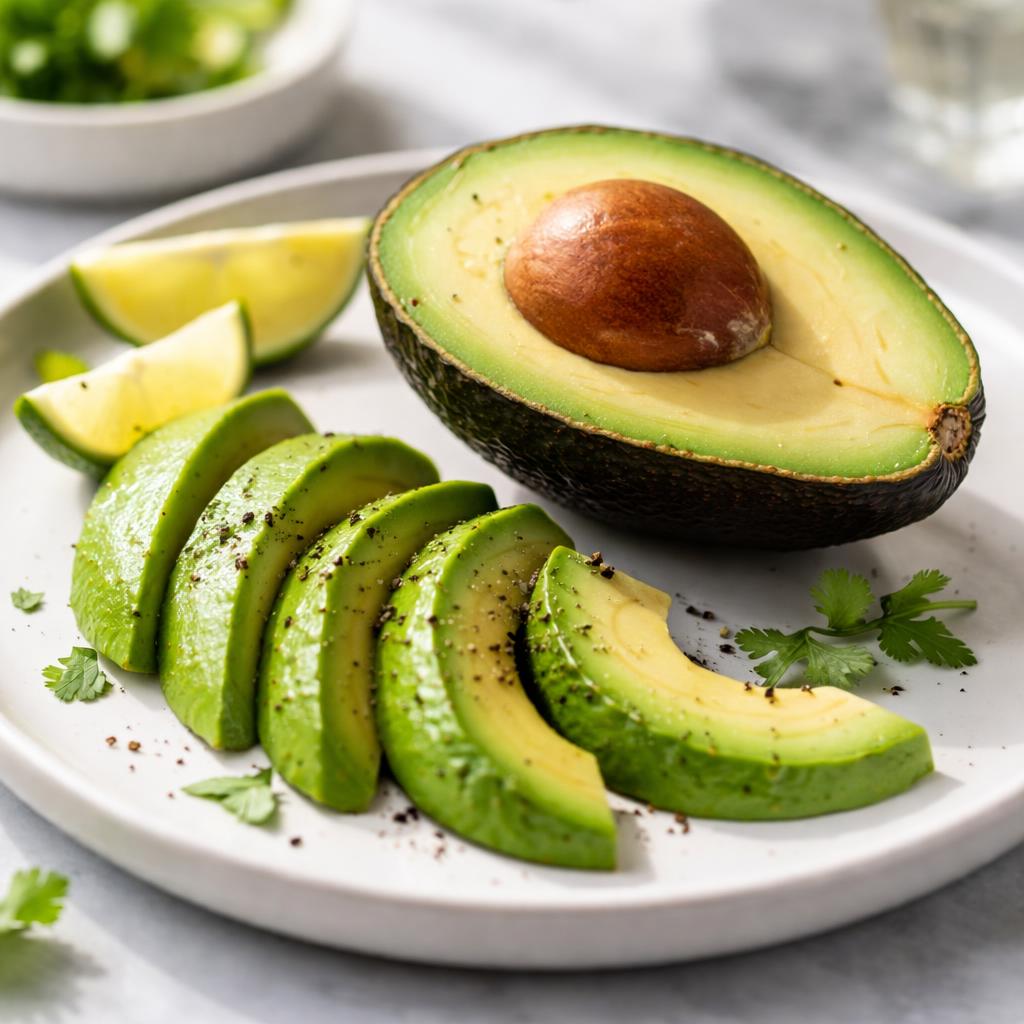
Avocado
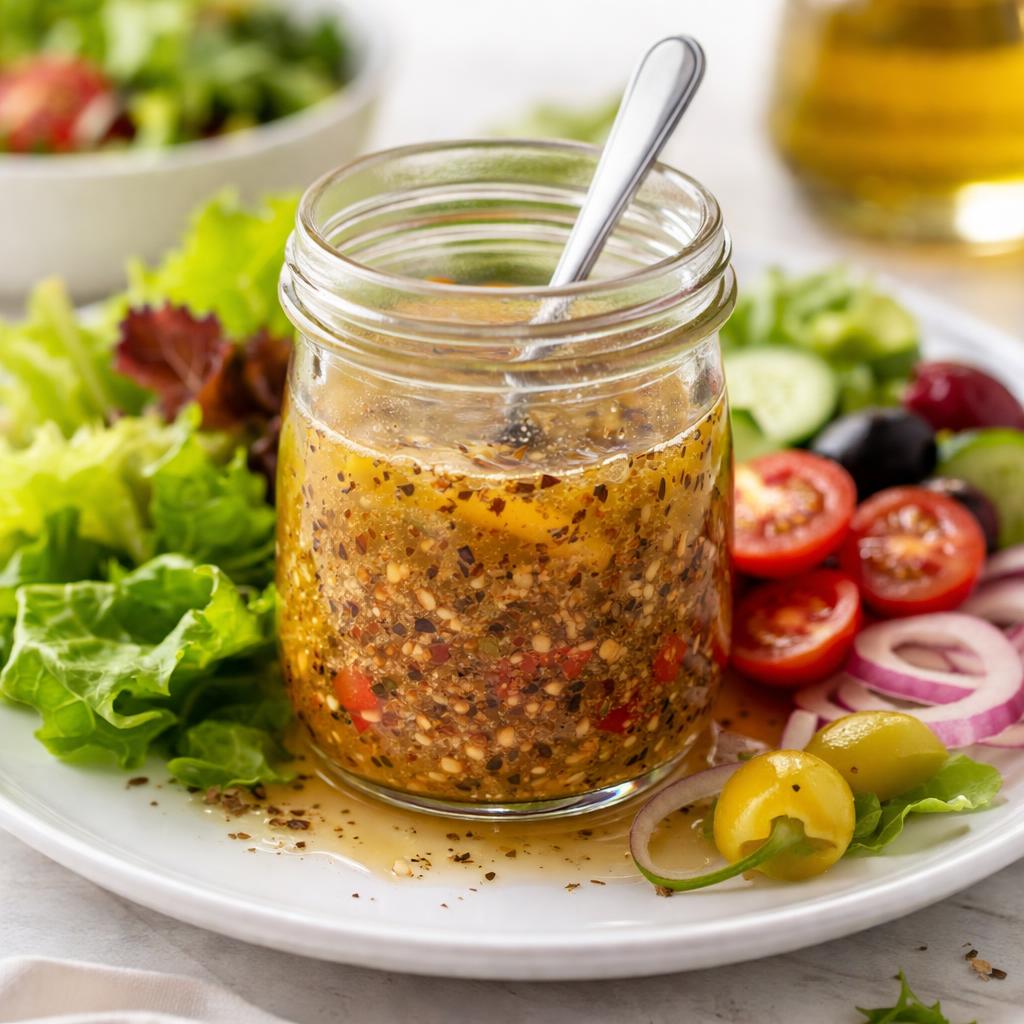
Italian Dressing
🎯 Quick Verdict
Avocado is a nutrient-dense fruit while Italian dressing is a flavor-enhancer for salads. Avocado stands out for its fiber, healthy fats, and vitamins, making it a well-rounded dietary option. In contrast, Italian dressing is lower in calories but nutritionally sparse, primarily serving as a condiment rather than a primary source of nutrients.

Smart Nutrition Tracking with SnapCalorie

📊 Nutritional Comparison
Macronutrients
| Nutrient | Food 1 | Food 2 | Winner |
|---|---|---|---|
| Calories | 160 | 60 | ✓ |
| Protein | 2g | 0g | ✓ |
| Carbs | 9g | 3g | ✓ |
| Fat | 15g | 5g | ✓ |
| Fiber | 7g | 0g | ✓ |
Vitamins & Minerals
| Nutrient | Food 1 | Food 2 | Winner |
|---|---|---|---|
| Vitamin D | 0mcg | 0mcg | − |
| Vitamin C | 10mg | 0mg | ✓ |
| Vitamin K | 21mcg | 13mcg | ✓ |
| Calcium | 13mg | 3mg | ✓ |
| Iron | 0.55mg | 0.1mg | ✓ |
🏆 Category Winners
Protein
Avocado provides 2g of plant-based protein, while Italian dressing contains none.
Fiber
Avocado is rich in fiber (7g per serving), while Italian dressing has none.
Calories
Italian dressing contains significantly fewer calories (60 vs. avocado’s 160 per serving).
🥗 Diet Compatibility
Keto
Food 1: Compatible
Food 2: Compatible
Both foods are low in carbs and fit well into a ketogenic diet.
Vegan
Food 1: Compatible
Food 2: Compatible
Both foods are plant-based.
Gluten Free
Food 1: Compatible
Food 2: Compatible
Neither food contains gluten.
Paleo
Food 1: Compatible
Food 2: Partially compatible
Avocado is paleo-friendly, but Italian dressing may contain processed oils and additives.
Low Carb
Food 1: Compatible
Food 2: Compatible
Both foods contain minimal carbohydrates and fit low-carb diets.
💪 Health Benefits Comparison
Food 1 Benefits
- High in healthy monounsaturated fats for heart health.
- Rich in fiber for improved digestion and satiety.
- Contains antioxidants like lutein and zeaxanthin for eye health.
- Good source of potassium to support blood pressure regulation.
Food 2 Benefits
- Adds flavor to meals to encourage vegetable consumption.
- Contains some healthy fats depending on the oil base.
- Minimal calories per serving, supporting calorie-controlled diets.
✅ The Bottom Line
Choose avocado as a nutrient-dense staple for fiber, healthy fats, and essential vitamins. Use Italian dressing sparingly to enhance flavor without adding significant nutrients. Avocado is better suited for whole-food diets, whereas Italian dressing works as a condiment for salads or marinades.
Choose Food 1 for: Heart health, weight management, nutrient-dense meal options.
Choose Food 2 for: Low-calorie diets, salad enhancements, quick flavoring.


