Avocado VS Ice Cream
A detailed nutritional comparison
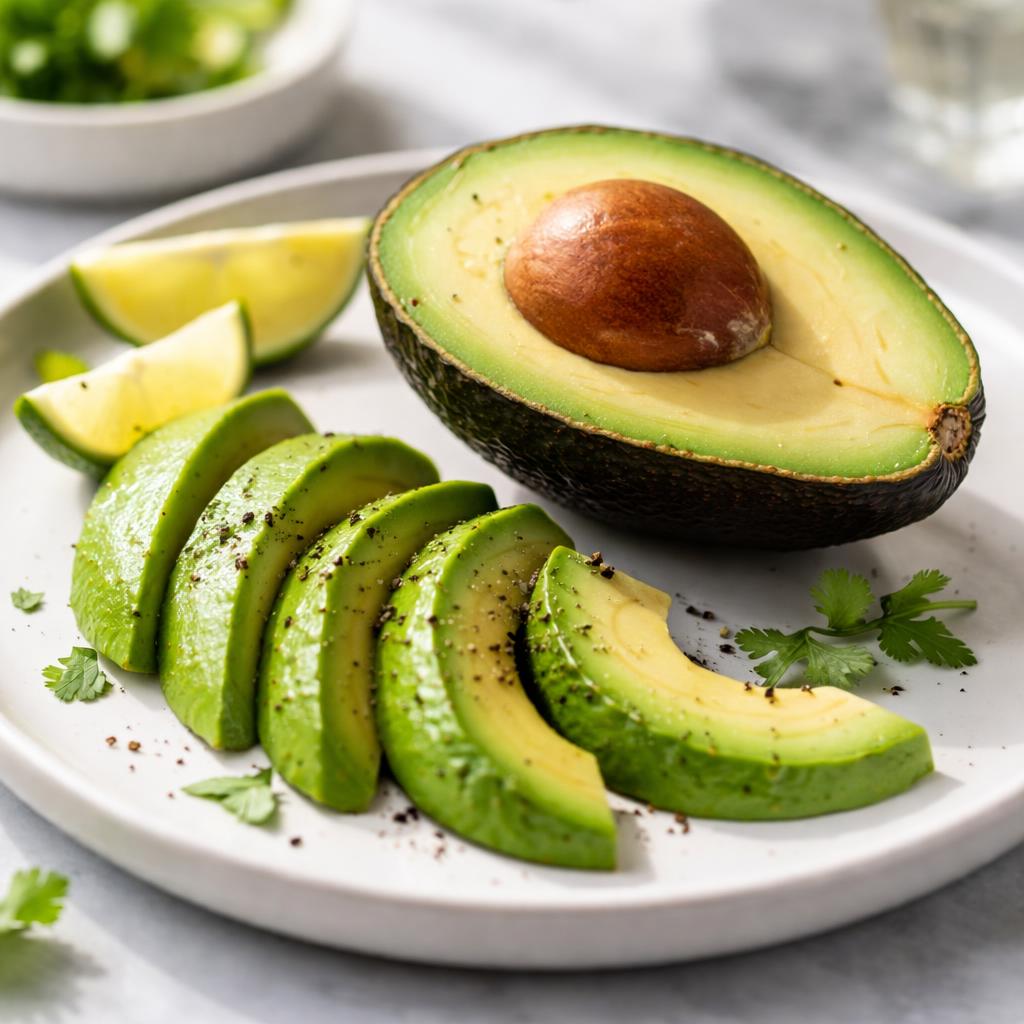
Avocado
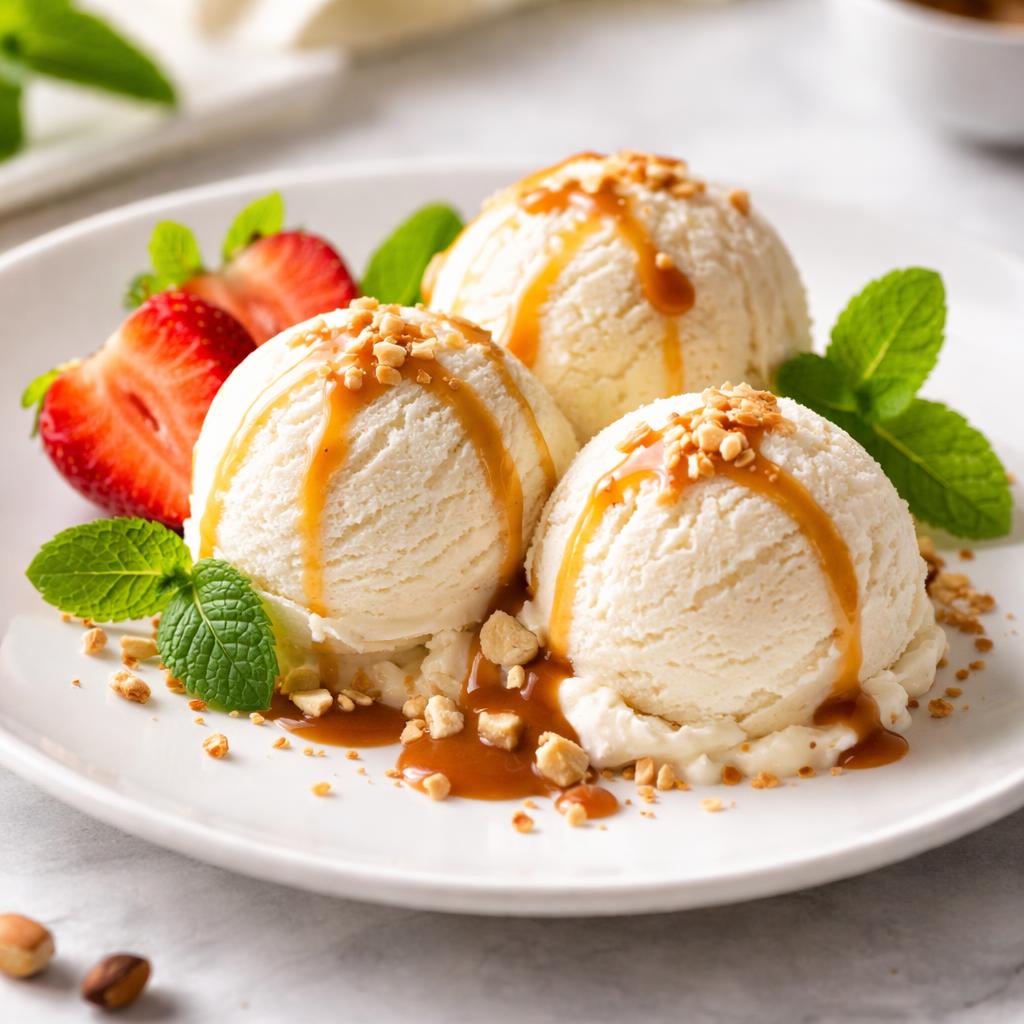
Ice Cream
🎯 Quick Verdict
Avocado significantly outperforms ice cream in terms of overall macro and micronutrient quality. It is higher in healthy fats, fiber, and vitamins, while being lower in sugar and calories. Ice cream offers a treat with more sugar and a richer taste, but is better used sparingly due to its high calorie and fat content.

Smart Nutrition Tracking with SnapCalorie

📊 Nutritional Comparison
Macronutrients
| Nutrient | Food 1 | Food 2 | Winner |
|---|---|---|---|
| Calories | 160 (per 100g) | 207 (per 100g) | ✓ |
| Protein | 2g | 3.5g | ✓ |
| Carbs | 8.5g | 24g | ✓ |
| Fat | 14.7g | 11g | ✓ |
| Fiber | 6.7g | 0.3g | ✓ |
Vitamins & Minerals
| Nutrient | Food 1 | Food 2 | Winner |
|---|---|---|---|
| Vitamin A | 7mcg | 87mcg | ✓ |
| Vitamin C | 10mg | 0.3mg | ✓ |
| Vitamin D | 0mcg | 0.2mcg | ✓ |
| Calcium | 15mg | 128mg | ✓ |
| Iron | 0.6mg | 0.2mg | ✓ |
🏆 Category Winners
Protein
Ice cream contains more protein per serving.
Fiber
Avocado contains significantly more fiber.
Calories
Avocado has fewer calories per 100g.
Vitamins
Avocado provides a better overall combination of essential vitamins and minerals.
🥗 Diet Compatibility
Keto
Food 1: Compatible
Food 2: Not Compatible
Avocado is high-fat and low-carb, meeting keto requirements.
Vegan
Food 1: Compatible
Food 2: Not Compatible
Avocado is plant-based, while ice cream often contains dairy.
Gluten Free
Food 1: Compatible
Food 2: Compatible
Neither food contains gluten.
Paleo
Food 1: Compatible
Food 2: Not Compatible
Ice cream contains processed ingredients, while avocado is paleo-friendly.
Low Carb
Food 1: Compatible
Food 2: Not Compatible
Avocado has only 8.5g of carbs per 100g, making it low-carb.
💪 Health Benefits Comparison
Food 1 Benefits
- Rich in healthy monounsaturated fats for heart health
- Packed with fiber for improved digestion
- Contains vitamin C to boost immunity and skin health
- High potassium content supports healthy blood pressure
Food 2 Benefits
- Provides calcium for strong bones
- Offers small protein quantities for recovery
- Serves as an occasional treat for indulging cravings
- Contains vitamin A for vision and immune health
✅ The Bottom Line
For long-term health and nutrition, choose avocado for its fiber, healthy fats, and nutrient density. Ice cream is better as an occasional indulgence when you'd like a sweet treat but should not be relied on for sustained nutrition.
Choose Food 1 for: Weight management, heart health, digestive support
Choose Food 2 for: Cravings, special occasions, quick energy boost


