Avocado VS Dressing
A detailed nutritional comparison
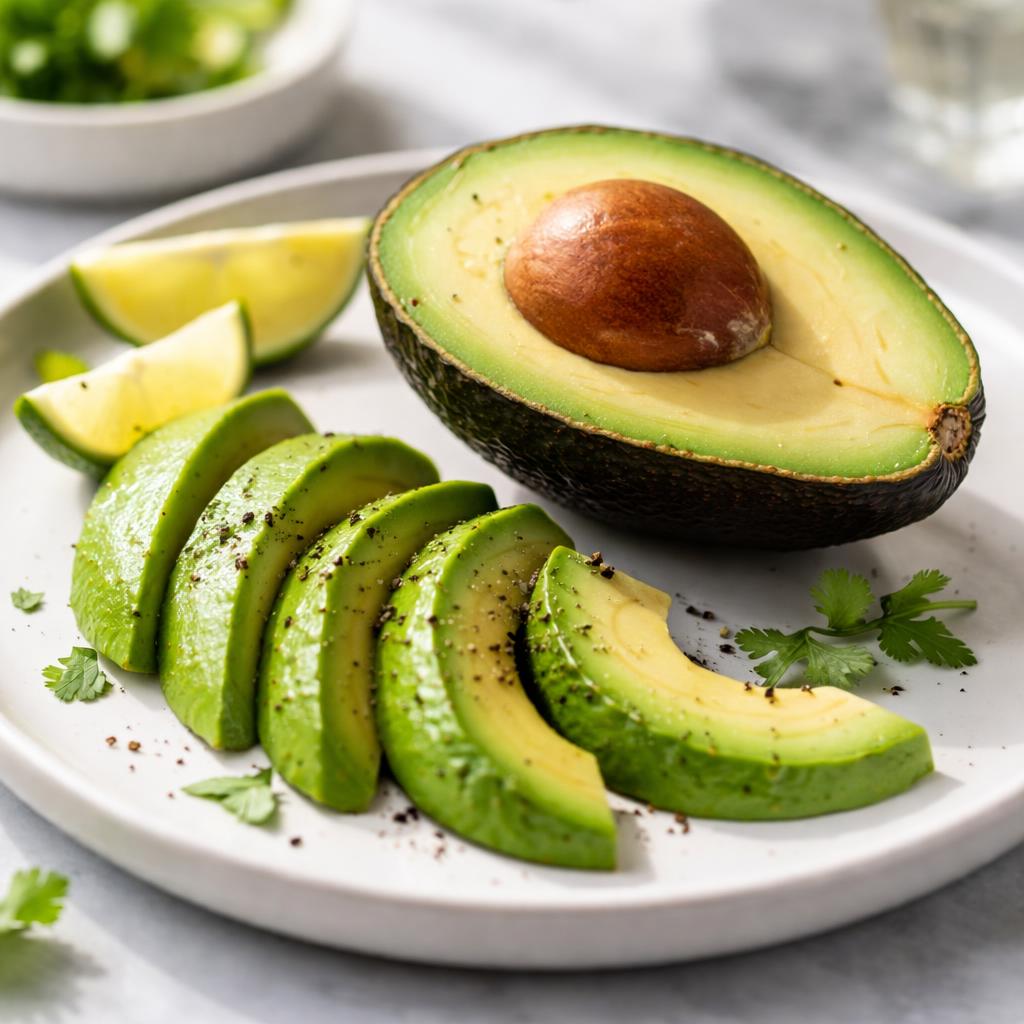
Avocado
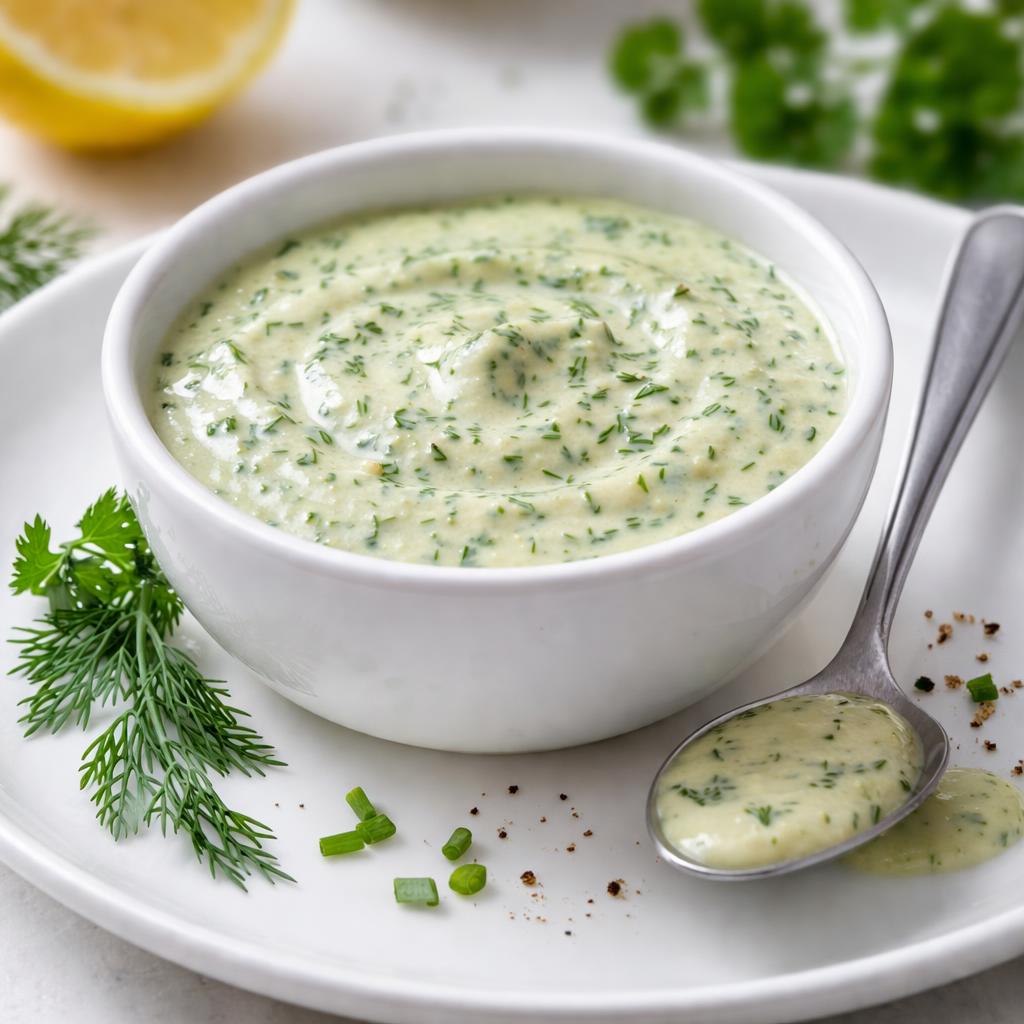
Dressing
🎯 Quick Verdict
Avocado (food1) is a nutrient-dense fruit known for its healthy fats, fiber, and vitamins, while dressing (food2) primarily provides fats and flavor enhancements but lacks significant micronutrients or fiber. Avocado is ideal for whole-food nutrition, while dressing excels at enhancing taste with minimal overall nutritional value, depending on the type of dressing used.

Smart Nutrition Tracking with SnapCalorie

📊 Nutritional Comparison
Macronutrients
| Nutrient | Food 1 | Food 2 | Winner |
|---|---|---|---|
| Calories | 160 | 140 | ✓ |
| Protein | 2g | 0g | ✓ |
| Carbs | 9g | 2g | ✓ |
| Fat | 15g | 14g | − |
| Fiber | 7g | 0g | ✓ |
Vitamins & Minerals
| Nutrient | Food 1 | Food 2 | Winner |
|---|---|---|---|
| Vitamin D | 0mcg | 0mcg | − |
| Vitamin C | 10mg | 0mg | ✓ |
| Vitamin E | 2.1mg | 1mg | ✓ |
| Potassium | 485mg | 15mg | ✓ |
🏆 Category Winners
Protein
Avocado has 2g protein per serving compared to dressing's 0g.
Fiber
Avocado contains 7g fiber, making it an excellent option for digestion compared to dressing which contains none.
Calories
Most dressings tend to have slightly lower calorie content per serving compared to avocado.
Vitamins
Avocado provides key vitamins like Vitamin C, E, and potassium which dressing lacks.
🥗 Diet Compatibility
Keto
Food 1: Compatible
Food 2: Compatible
Both foods are low-carb and high-fat, fitting well within keto guidelines.
Vegan
Food 1: Compatible
Food 2: Depends
Avocado is vegan, while dressing may contain animal products like dairy or eggs.
Gluten Free
Food 1: Compatible
Food 2: Depends
Avocado is naturally gluten-free, but dressing may contain gluten in processed varieties.
Paleo
Food 1: Compatible
Food 2: Depends
Avocado fits paleo diets completely; dressing's compatibility depends on its ingredients.
Low-Carb
Food 1: Compatible
Food 2: Compatible
Both are suitable for low-carb diets due to low carbohydrate content.
💪 Health Benefits Comparison
Food 1 Benefits
- Rich in heart-healthy monounsaturated fats
- Excellent source of fiber for gut health
- Provides key micronutrients like potassium and Vitamin E
- Supports brain health with high-fat content
Food 2 Benefits
- Enhances flavor in meals encouraging better satiety
- May contain healthy fats such as olive oil (depends on type)
- Low in carbohydrates for keto and low-carb compatibility
- Variety of dressing types may offer a range of antioxidants
✅ The Bottom Line
Avocado is the superior choice for food-driven nutrition, offering fiber, protein, and essential vitamins. Dressing is best used as an additive to improve flavor and pair with nutrient-rich foods like avocado. Opt for avocado for weight management, satiety, or digestion, and use dressing sparingly as a complement within balanced meals.
Choose Food 1 for: Whole-food nutrition, weight loss goals, heart health
Choose Food 2 for: Flavor enhancement, reducing blandness, pairing with meals


