Avocado VS Brussel Sprouts
A detailed nutritional comparison
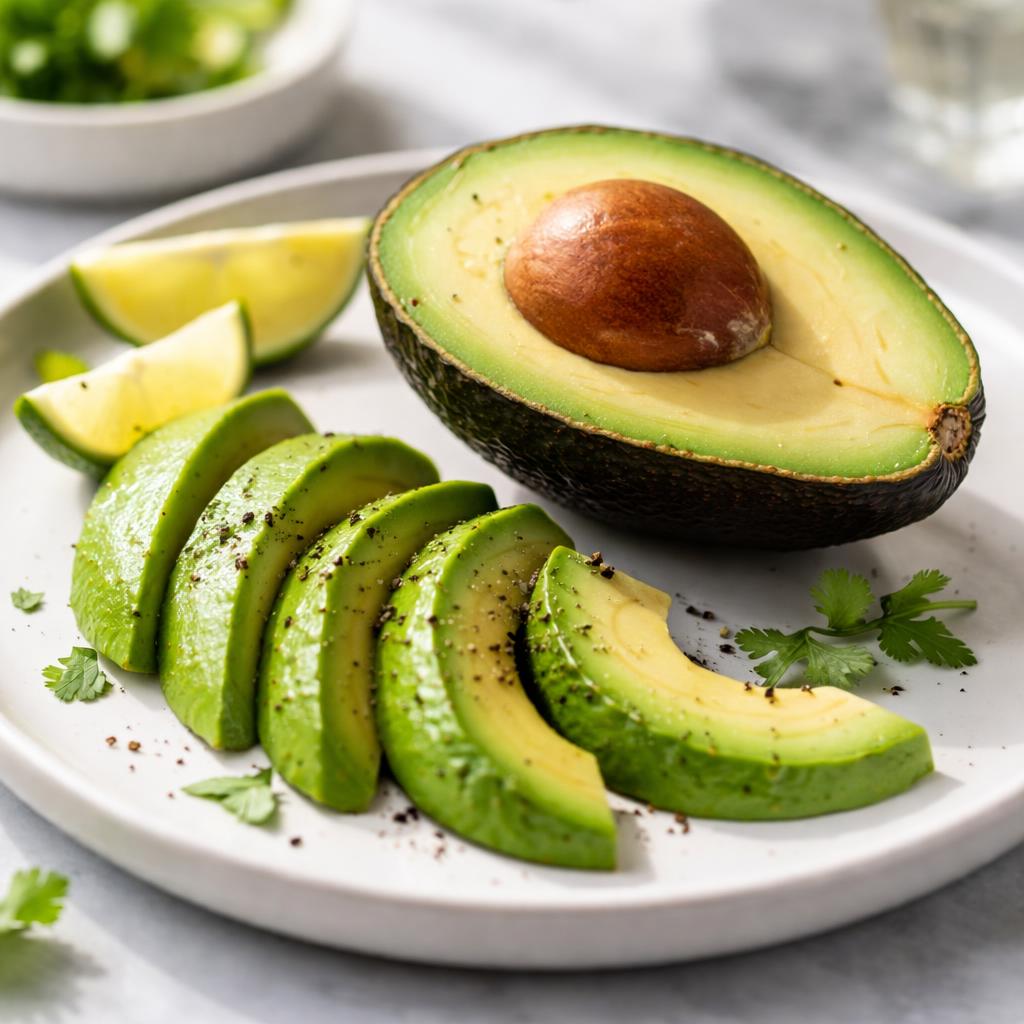
Avocado
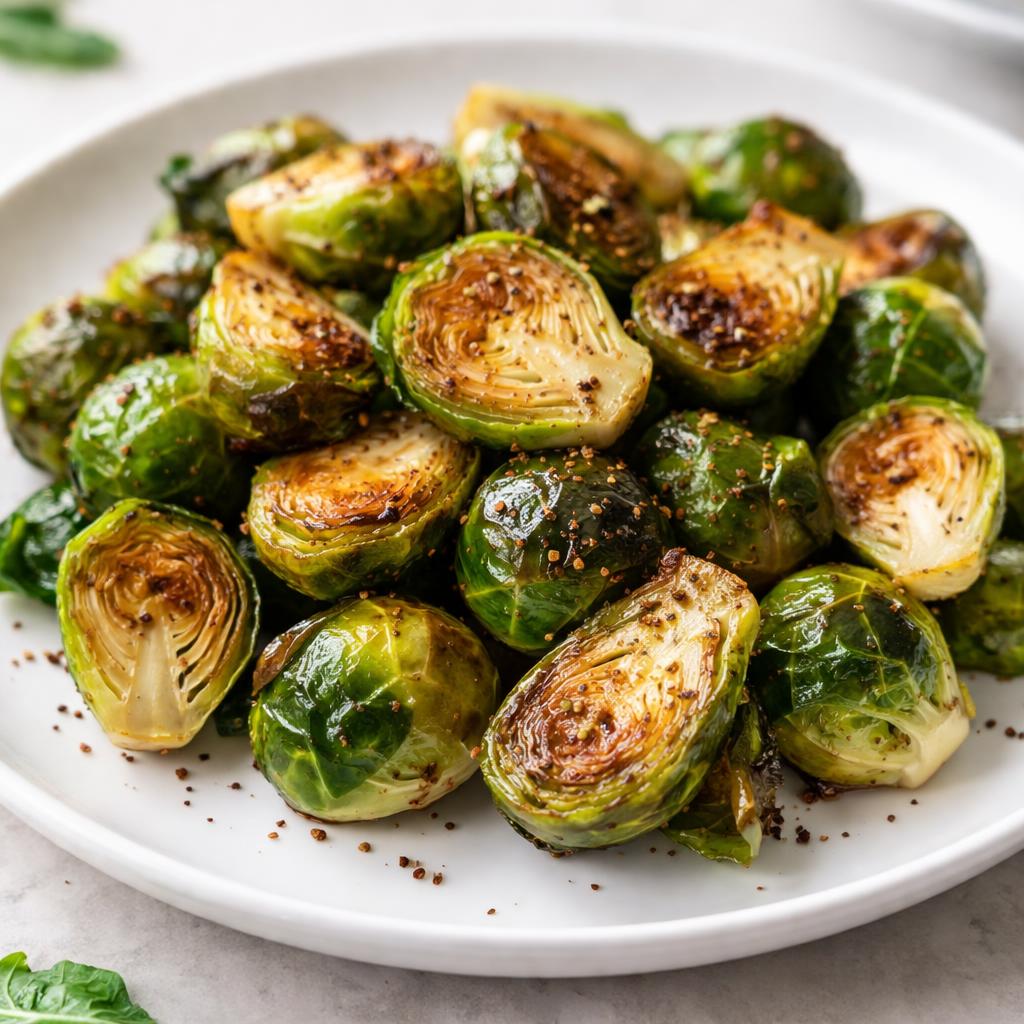
Brussel Sprouts
🎯 Quick Verdict
Avocados are calorie-dense and rich in healthy fats, making them ideal for ketogenic diets or heart health. Brussels sprouts are lower in calories, pack more protein per serving, and are high in fiber, making them excellent for digestion and weight management. Each food has unique strengths depending on dietary goals.

Smart Nutrition Tracking with SnapCalorie

📊 Nutritional Comparison
Macronutrients
| Nutrient | Food 1 | Food 2 | Winner |
|---|---|---|---|
| Calories | 160 | 43 | ✓ |
| Protein | 2g | 3g | ✓ |
| Carbs | 9g | 8g | ✓ |
| Fat | 15g | 0.3g | ✓ |
| Fiber | 7g | 3.8g | ✓ |
Vitamins & Minerals
| Nutrient | Food 1 | Food 2 | Winner |
|---|---|---|---|
| Vitamin C | 10mg | 75mg | ✓ |
| Vitamin K | 21mcg | 177mcg | ✓ |
| Calcium | 10mg | 36mg | ✓ |
| Iron | 0.3mg | 1.2mg | ✓ |
🏆 Category Winners
Protein
Brussels sprouts contain 50% more protein per serving than avocados.
Fiber
Avocados provide almost double the fiber content per serving.
Calories
Brussels sprouts are much lower in calories, containing 73% fewer calories per serving.
🥗 Diet Compatibility
Keto
Food 1: Compatible
Food 2: Not Compatible
Avocados are high in healthy fats and low in carbs.
Vegan
Food 1: Compatible
Food 2: Compatible
Both foods are plant-based and suitable for vegans.
Gluten Free
Food 1: Compatible
Food 2: Compatible
Neither contains gluten, making both safe for gluten-free diets.
Paleo
Food 1: Compatible
Food 2: Compatible
Both are unprocessed whole foods and fit into a paleo diet.
Low-Carb
Food 1: Compatible
Food 2: Somewhat Compatible
Food1 has more fat and less carbs, while Food2 contains slightly higher carbs but is still manageable in low-carb diets.
💪 Health Benefits Comparison
Food 1 Benefits
- Rich in heart-healthy monounsaturated fats
- Excellent source of potassium for blood pressure regulation
- Provides antioxidants for combating inflammation
Food 2 Benefits
- High in vitamin C for immune function and collagen production
- Rich source of fiber for promoting healthy digestion
- Contains vitamin K to support bone health
✅ The Bottom Line
Avocados are ideal for individuals focused on heart health, keto diets, or boosting dietary healthy fats, while Brussels sprouts shine in digestion, weight management, and providing a vitamin C boost. Depending on calorie goals, a balanced choice can include both foods in moderation.
Choose Food 1 for: Heart health, keto diet, anti-inflammatory benefits
Choose Food 2 for: Weight management, immune health, high-fiber diets


