Avocado VS Bagel
A detailed nutritional comparison
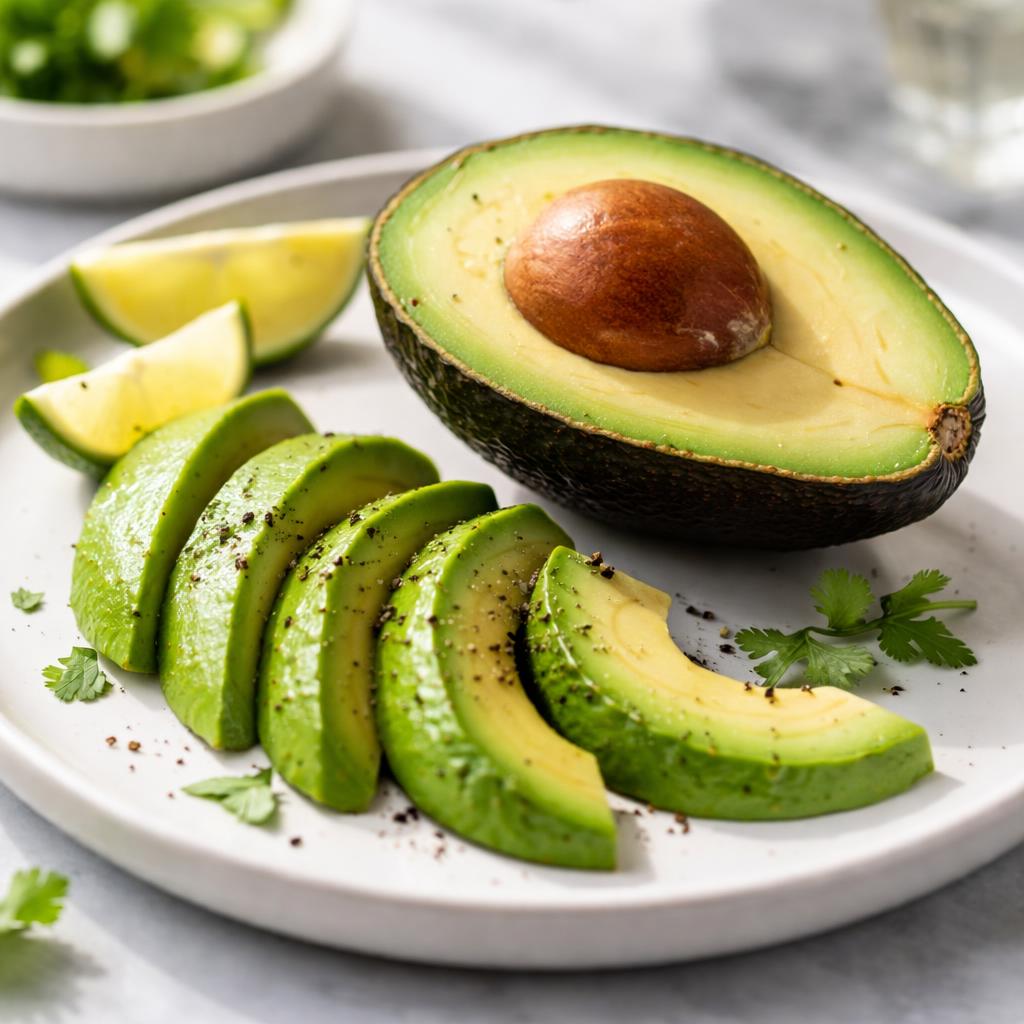
Avocado

Bagel
🎯 Quick Verdict
Avocados are nutrient-dense, offering healthy fats, fiber, and a variety of vitamins, while bagels provide a higher carbohydrate content with more protein and calories but less fiber. Choose avocado for heart health and satiety, and bagels for quick energy and athletic fuel.

Smart Nutrition Tracking with SnapCalorie

📊 Nutritional Comparison
Macronutrients
| Nutrient | Food 1 | Food 2 | Winner |
|---|---|---|---|
| Calories | 160 | 245 | ✓ |
| Protein | 2g | 9g | ✓ |
| Carbs | 8.5g | 48g | ✓ |
| Fat | 15g | 1g | ✓ |
| Fiber | 7g | 2g | ✓ |
Vitamins & Minerals
| Nutrient | Food 1 | Food 2 | Winner |
|---|---|---|---|
| Vitamin C | 10mg (11% DV) | 0mg | ✓ |
| Vitamin K | 20mcg (17% DV) | 0mcg | ✓ |
| Potassium | 485mg | 80mg | ✓ |
🏆 Category Winners
Protein
Bagel has 4.5 times more protein per serving compared to avocado.
Fiber
Avocado provides 250% more fiber, supporting digestion.
Calories
Avocado has 35% fewer calories per serving.
Vitamins
Avocado is richer in key vitamins like Vitamin C, Vitamin K, and potassium.
🥗 Diet Compatibility
Keto
Food 1: Compatible
Food 2: Not Compatible
Avocado is high-fat and low-carb, fitting keto guidelines; bagels are too high in carbs.
Vegan
Food 1: Compatible
Food 2: Compatible
Both foods are plant-based.
Gluten Free
Food 1: Compatible
Food 2: Not Compatible
Bagel contains gluten while avocado is naturally gluten-free.
Paleo
Food 1: Compatible
Food 2: Not Compatible
Avocado is appropriate for the paleo diet; bagels are processed foods containing grains.
Low Carb
Food 1: Compatible
Food 2: Not Compatible
Avocado is low-carb (8.5g per serving) while bagels are extremely carb-dense.
💪 Health Benefits Comparison
Food 1 Benefits
- Rich in heart-healthy monounsaturated fats
- High in fiber for better digestion
- Excellent source of potassium for electrolyte balance
- Provides antioxidants like Vitamin E and Vitamin C
Food 2 Benefits
- Provides quick, easy-to-digest carbs for energy
- Contains protein for muscle repair
- Can act as a fuel source for athletic performance
- Pairs well with nutrient-dense spreads and toppings
✅ The Bottom Line
Choose avocado for a nutrient-dense, heart-healthy food that supports digestion and fits most dietary lifestyles. Opt for bagels when you need a convenient carbohydrate source or energy boost for exercise or fast meals.
Choose Food 1 for: Keto, paleo, weight management, digestion support, heart health
Choose Food 2 for: Active lifestyles, energy needs, post-workout carbohydrate replenishment


