Avocado VS Arugula Salad
A detailed nutritional comparison
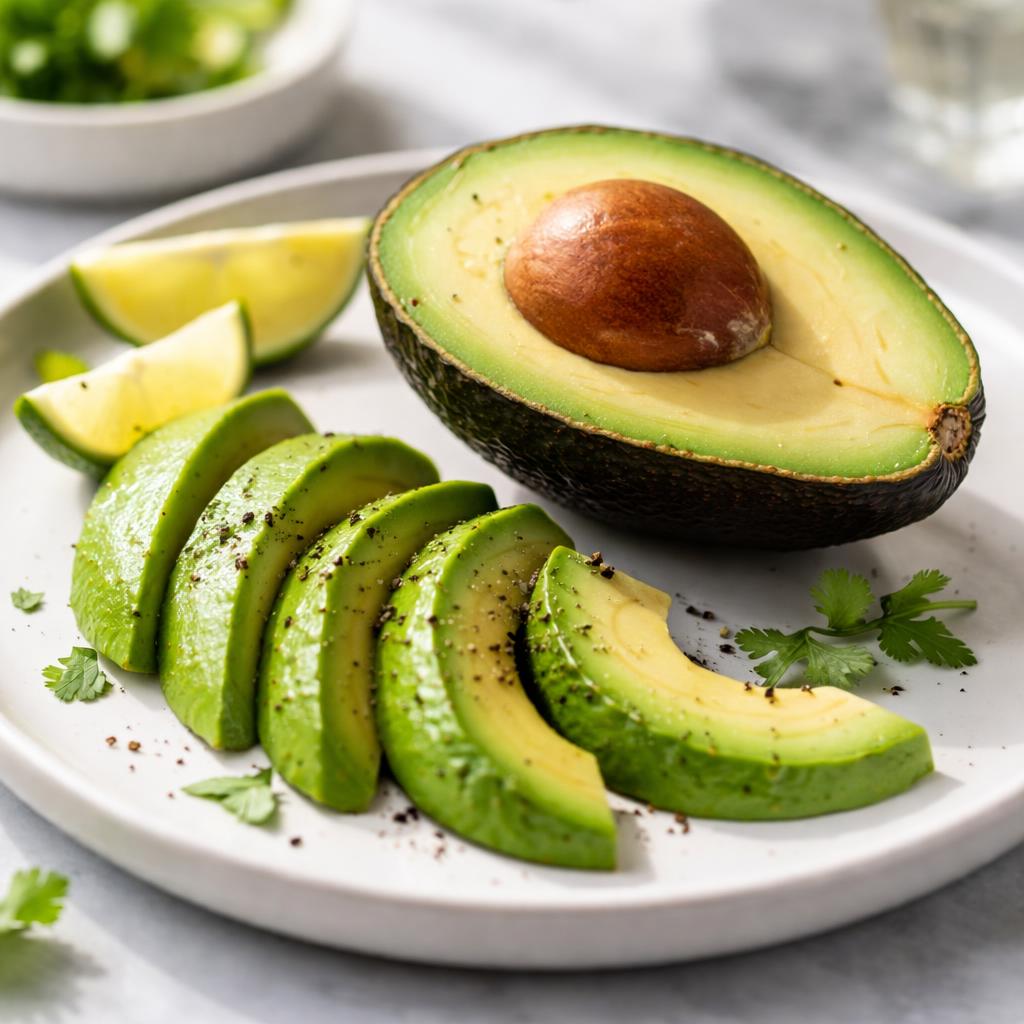
Avocado
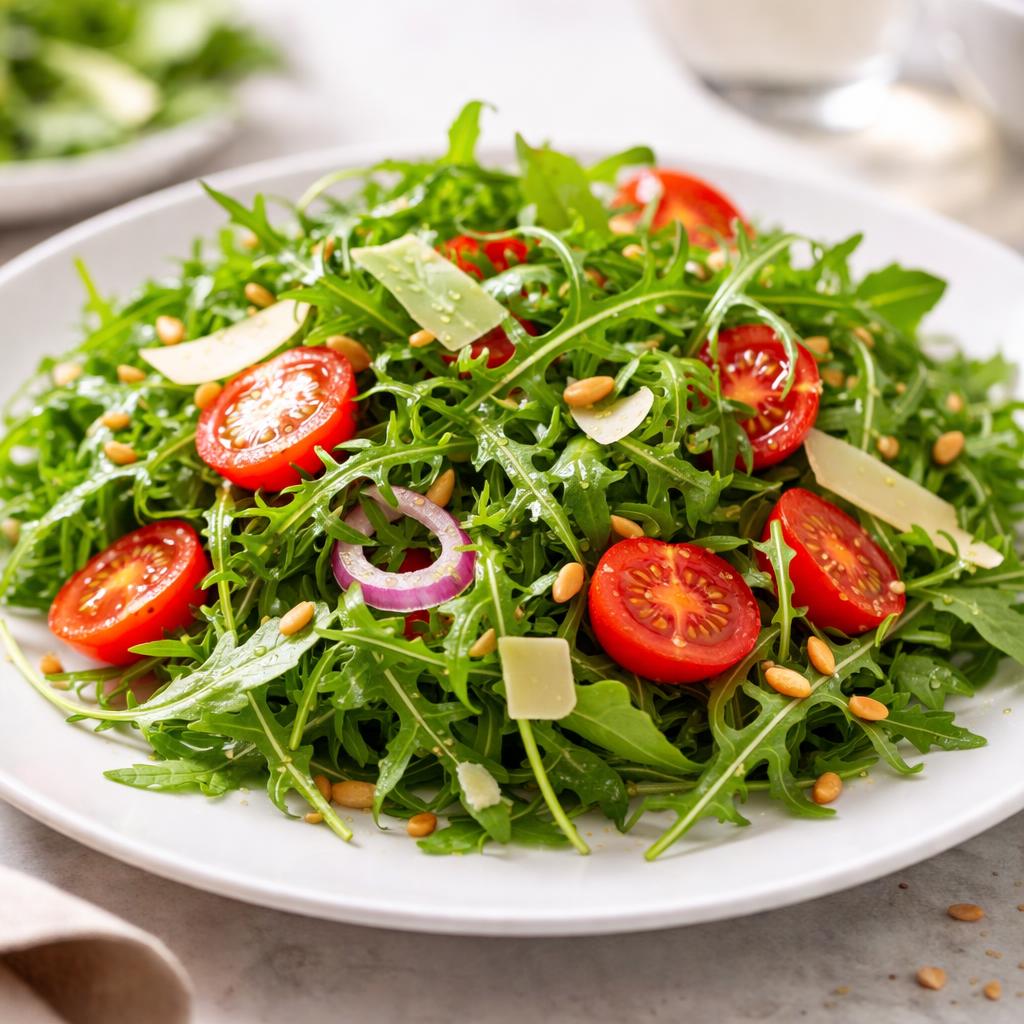
Arugula Salad
🎯 Quick Verdict
Avocado and arugula salad serve distinct nutritional purposes. Avocado excels in healthy fats, fiber, and potassium, making it great for satiety and heart health. Arugula salad is incredibly low in calories while offering a range of vitamins (like Vitamin K) and antioxidants, making it ideal for light, nutrient-dense meals. Choosing between them depends on your dietary goals—avocado for energy and fullness or arugula for weight loss and hydration.

Smart Nutrition Tracking with SnapCalorie

📊 Nutritional Comparison
Macronutrients
| Nutrient | Food 1 | Food 2 | Winner |
|---|---|---|---|
| Calories | 240 (1 medium avocado) | 25 (1 cup arugula salad) | ✓ |
| Protein | 3g | 2g | ✓ |
| Carbs | 12g | 4g | ✓ |
| Fat | 22g (mostly healthy fats) | 0.5g | ✓ |
| Fiber | 10g | 1.6g | ✓ |
Vitamins & Minerals
| Nutrient | Food 1 | Food 2 | Winner |
|---|---|---|---|
| Vitamin K | 20mcg | 40mcg | ✓ |
| Vitamin C | 10mg | 6mg | ✓ |
| Vitamin E | 3mg | 0.6mg | ✓ |
| Potassium | 700mg | 200mg | ✓ |
🏆 Category Winners
Protein
Avocado has slightly more protein per serving compared to arugula.
Fiber
Avocado contains 10g fiber, much higher than arugula's 1.6g.
Calories
Arugula salad is very low-calorie at only 25 calories per cup.
Vitamins
Arugula is rich in Vitamin K, providing double the amount compared to avocado.
🥗 Diet Compatibility
Keto
Food 1: Compatible
Food 2: Compatible
Both foods are low-carb and nutrient-rich.
Vegan
Food 1: Compatible
Food 2: Compatible
Both are plant-based sources of nutrition.
Gluten Free
Food 1: Compatible
Food 2: Compatible
Neither food contains gluten.
Paleo
Food 1: Compatible
Food 2: Compatible
Both fit well into a paleo diet.
Low-Carb
Food 1: Compatible
Food 2: Compatible
Both are low in carbohydrates, making them suitable for low-carb diets.
💪 Health Benefits Comparison
Food 1 Benefits
- Rich source of monounsaturated fats for heart health
- High in fiber for digestive health
- Provides potassium to maintain healthy blood pressure
- Contains antioxidants like Vitamin E to fight inflammation
Food 2 Benefits
- Extremely low in calories, great for weight management
- Rich in Vitamin K for bone and blood health
- High water content for hydration
- Contains phytochemicals that support immune function
✅ The Bottom Line
Avocado is best for those seeking a filling, nutrient-dense food rich in healthy fats and fiber, while arugula salad excels as a low-calorie option providing essential vitamins and hydration. Both foods complement each other well in a balanced diet.
Choose Food 1 for: Healthy fat intake, satiety, heart health, fiber addition
Choose Food 2 for: Low-calorie meals, bone health, hydration, nutrient density


