Apple VS Turkey
A detailed nutritional comparison
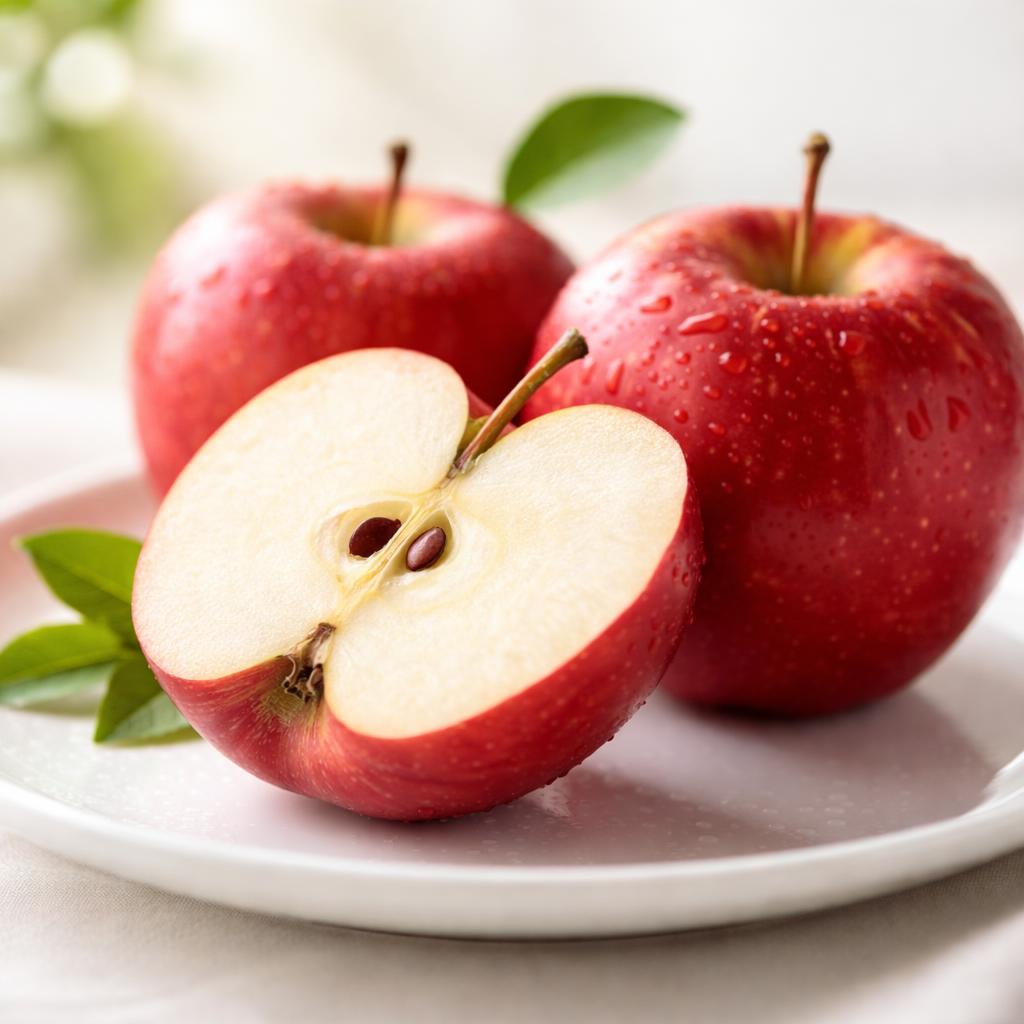
Apple
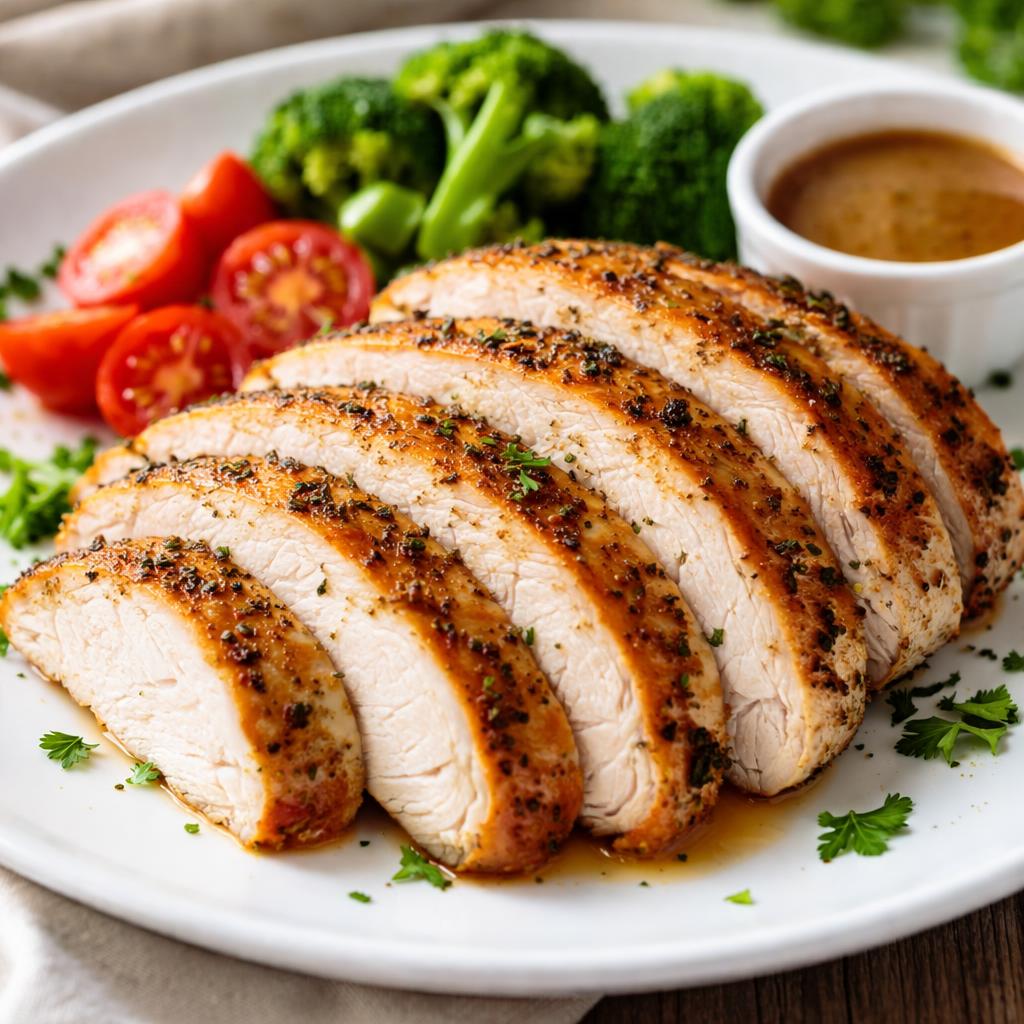
Turkey
🎯 Quick Verdict
Apples and turkey serve very different nutritional roles. Apples are low-calorie, fiber-rich snacks providing vitamins and antioxidants, while turkey is a high-protein option ideal for muscle growth and repair. Choose apples for digestion and a light snack, and turkey for protein-packed meals or post-workout recovery.

Smart Nutrition Tracking with SnapCalorie

📊 Nutritional Comparison
Macronutrients
| Nutrient | Food 1 | Food 2 | Winner |
|---|---|---|---|
| Calories | 95 | 135 | ✓ |
| Protein | 0.5g | 25g | ✓ |
| Carbs | 25g | 0g | ✓ |
| Fat | 0.3g | 3g | ✓ |
| Fiber | 4g | 0g | ✓ |
Vitamins & Minerals
| Nutrient | Food 1 | Food 2 | Winner |
|---|---|---|---|
| Vitamin C | 8.4mg | 0mg | ✓ |
| B vitamins (B6) | 0.04mg | 0.45mg | ✓ |
| Iron | 0.2mg | 1.4mg | ✓ |
| Potassium | 195mg | 297mg | ✓ |
🏆 Category Winners
Protein
Turkey provides 25g of protein versus just 0.5g in apples.
Fiber
Apples offer 4g of fiber, while turkey has no fiber.
Calories
Apples are lower in calories, with 95 calories versus 135 from turkey.
Vitamins
Apples are rich in Vitamin C, which turkey lacks.
🥗 Diet Compatibility
Keto
Food 1: Not Compatible
Food 2: Compatible
Turkey is carb-free, whereas apples are higher in carbohydrates.
Vegan
Food 1: Compatible
Food 2: Not Compatible
Apples are plant-based, but turkey is animal-based.
Gluten Free
Food 1: Compatible
Food 2: Compatible
Neither contains gluten.
Paleo
Food 1: Compatible
Food 2: Compatible
Both fit into Paleo guidelines.
Low Carb
Food 1: Not Compatible
Food 2: Compatible
Apples are relatively high in carbs, but turkey has 0g of carbs.
💪 Health Benefits Comparison
Food 1 Benefits
- Rich in dietary fiber for improving digestion
- Good source of Vitamin C for immune support
- Provides antioxidants that may protect against cell damage
- Low-calorie snack ideal for weight management
Food 2 Benefits
- Excellent source of lean protein for muscle repair and growth
- Contains B vitamins for energy production
- Provides iron for oxygen transport in the blood
- Low in fat while offering heart-healthy nutrients like potassium
✅ The Bottom Line
Apples and turkey offer different benefits depending on dietary needs. Choose turkey for its high protein content and muscle-building advantages, particularly for fitness enthusiasts or those on low-carb/keto diets. Apples are a fiber-rich, vitamin-boosting snack suitable for vegans and those looking to improve digestion or manage calorie intake.
Choose Food 1 for: Snacking, digestive health, immune support
Choose Food 2 for: Muscle growth, post-workout recovery, low-carb diets


