Apple VS Sauerkraut
A detailed nutritional comparison
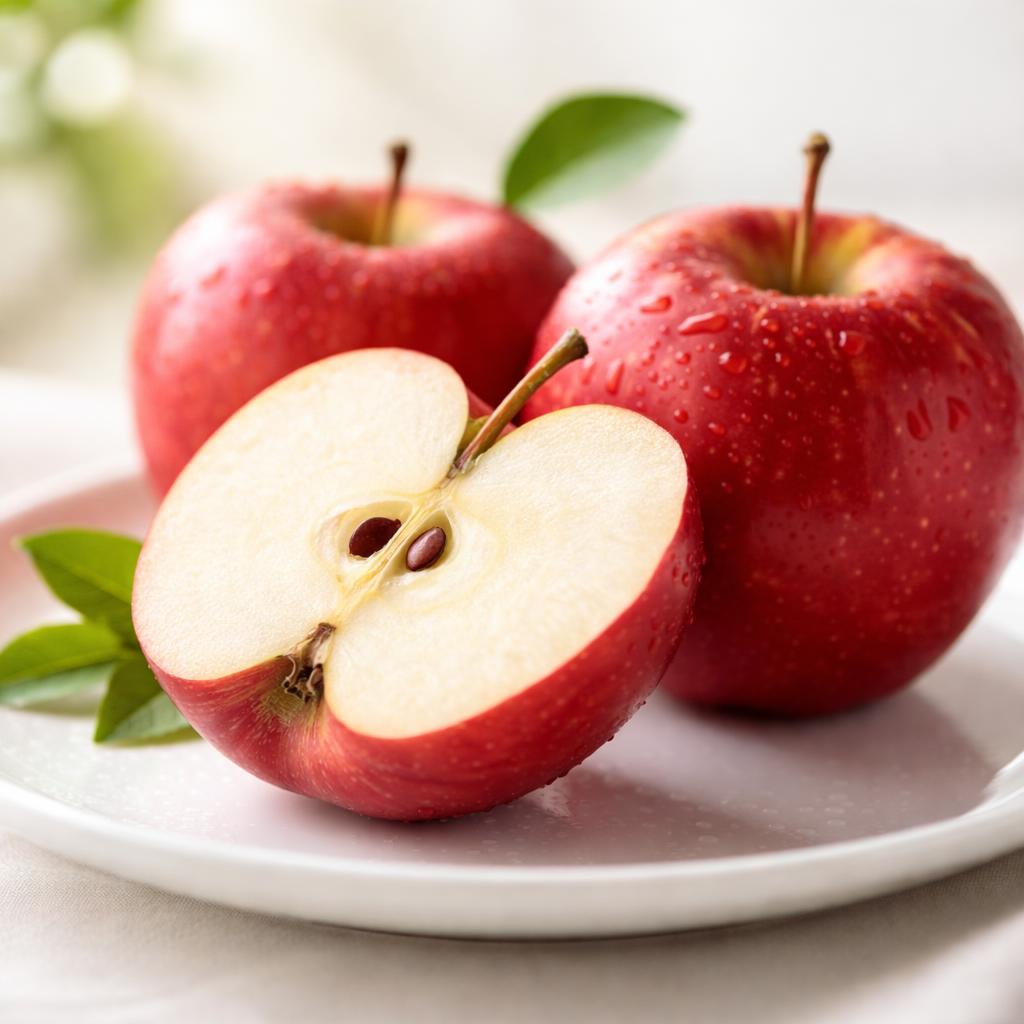
Apple
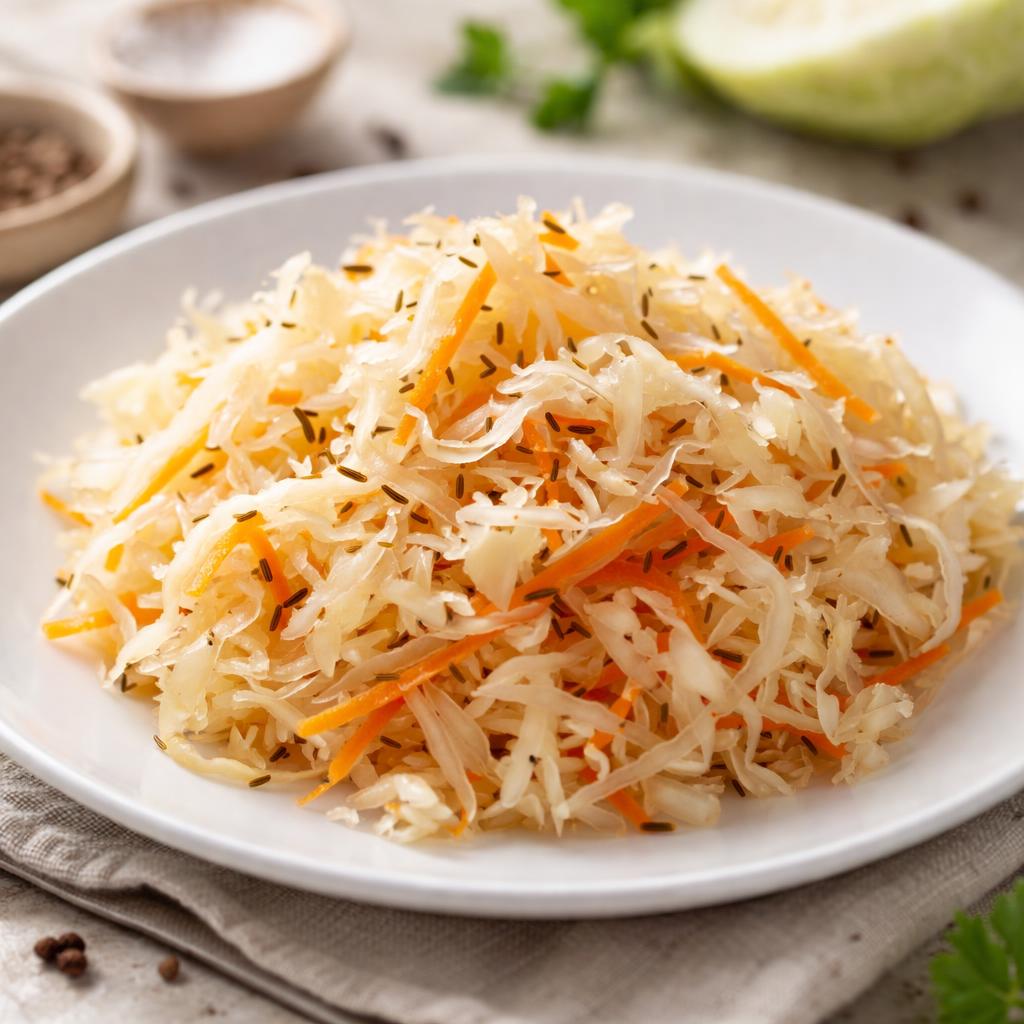
Sauerkraut
🎯 Quick Verdict
Apples and sauerkraut have distinct nutritional profiles. Apples are lower in calories and provide natural sugars and vitamin C, making them a sweet, refreshing choice. Sauerkraut is higher in fiber and protein, rich in probiotics, and beneficial for gut health. Both are great options depending on your dietary goals or needs, with apples being ideal for quick energy and sauerkraut supporting digestion and overall health.

Smart Nutrition Tracking with SnapCalorie

📊 Nutritional Comparison
Macronutrients
| Nutrient | Food 1 | Food 2 | Winner |
|---|---|---|---|
| Calories | 95 | 27 | ✓ |
| Protein | 0.5g | 1g | ✓ |
| Carbs | 25g | 6g | ✓ |
| Fat | 0.3g | 0.2g | ✓ |
| Fiber | 4.4g | 2.9g | ✓ |
Vitamins & Minerals
| Nutrient | Food 1 | Food 2 | Winner |
|---|---|---|---|
| Vitamin C | 8mg | 4mg | ✓ |
| Vitamin K | 0.7mcg | 13mcg | ✓ |
| Calcium | 6mg | 30mg | ✓ |
| Iron | 0.22mg | 1.7mg | ✓ |
🏆 Category Winners
Protein
Sauerkraut has double the protein compared to apples.
Fiber
Apples contain more fiber per serving, supporting digestion.
Calories
Sauerkraut is lower in calories, suitable for calorie-conscious diets.
Vitamins
Sauerkraut offers higher levels of key nutrients such as vitamin K, calcium, and iron.
🥗 Diet Compatibility
Keto
Food 1: Not Compatible
Food 2: Compatible
Sauerkraut is low in carbohydrates, while apples are high in natural sugars.
Vegan
Food 1: Compatible
Food 2: Compatible
Both foods are plant-based and fit a vegan diet.
Gluten Free
Food 1: Compatible
Food 2: Compatible
Neither food contains gluten.
Paleo
Food 1: Compatible
Food 2: Compatible
Apples and sauerkraut are both paleo-friendly whole foods.
Low-Carb
Food 1: Not Compatible
Food 2: Compatible
Sauerkraut aligns better with low-carb diets due to its minimal carbohydrate content.
💪 Health Benefits Comparison
Food 1 Benefits
- Provides natural sugars for quick energy
- Rich in vitamin C to support the immune system
- Contains fiber to aid digestion
- Low in calories, great for snacking without overloading on energy
Food 2 Benefits
- High in probiotics to support gut microbiome health
- Rich in vitamin K, important for blood clotting and bone health
- Low-calorie, nutrient-dense option for weight management
- Contains iron, which supports oxygen delivery in the body
✅ The Bottom Line
Apples are better for quick energy, providing natural fiber and vitamin C, fitting well in a portable snack or pre-workout meal. Sauerkraut excels in gut health and nutrient density, making it a great complement to meals for digestive support and essential vitamins. Choose apples for a sweet snack or sauerkraut for savory, gut-friendly nutrition.
Choose Food 1 for: Quick energy, digestion support, light snacking
Choose Food 2 for: Gut health, nutrient density, weight management


