Apple VS Rice Cakes
A detailed nutritional comparison
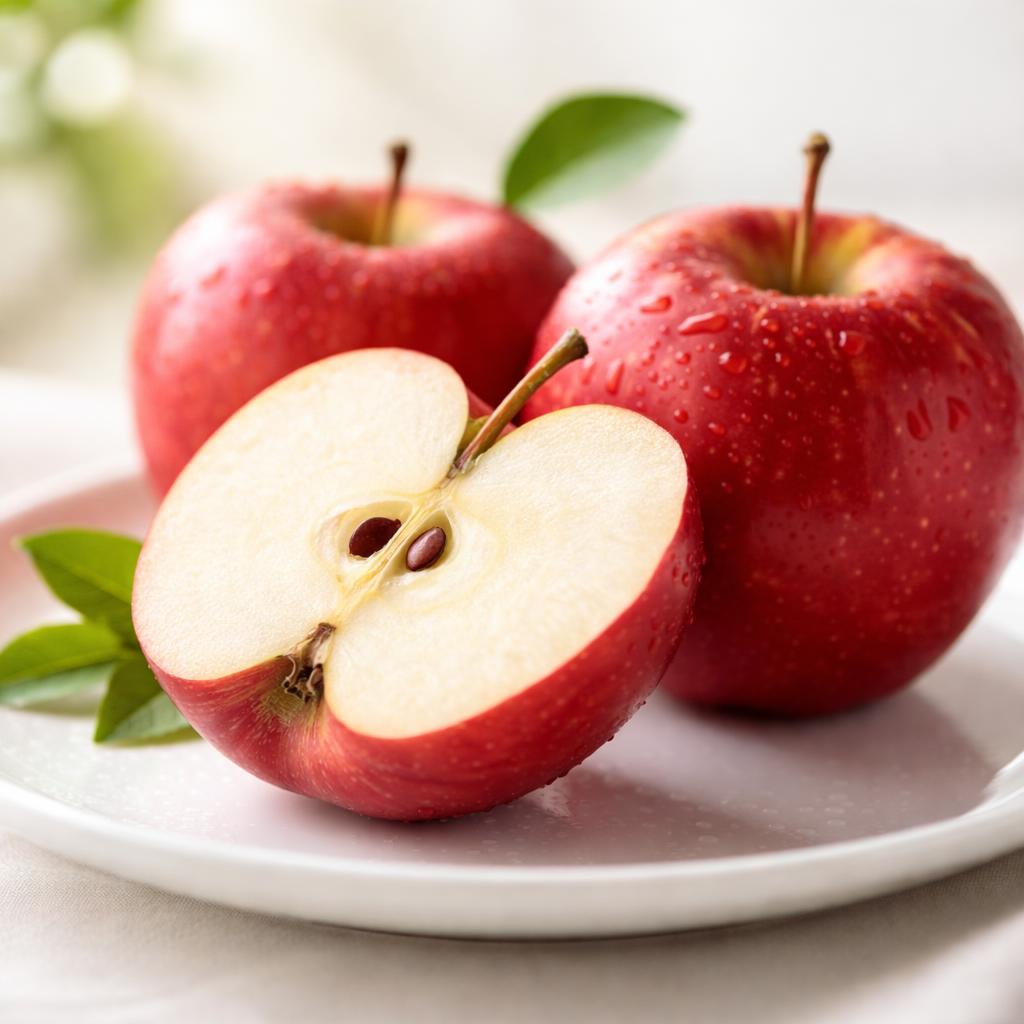
Apple
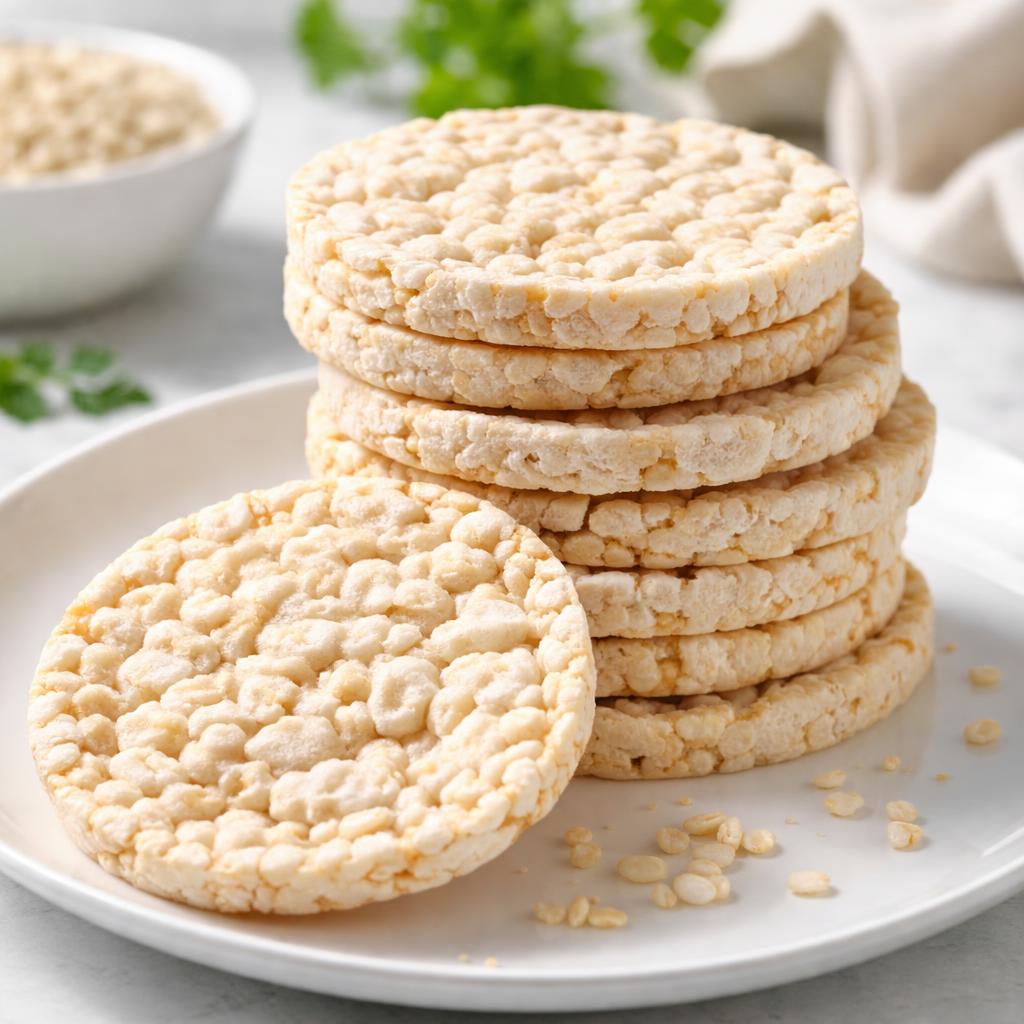
Rice Cakes
🎯 Quick Verdict
Apples provide more fiber than rice cakes, making them better for digestion and satiety. Although both foods are low in protein and fat, rice cakes are more calorie-dense and offer less micronutrient variety. Choose apples for a nutrient-rich snack, and rice cakes for quick energy with minimal weight in the diet.

Smart Nutrition Tracking with SnapCalorie

📊 Nutritional Comparison
Macronutrients
| Nutrient | Food 1 | Food 2 | Winner |
|---|---|---|---|
| Calories | 95 | 35 | ✓ |
| Protein | 0.5g | 0.5g | − |
| Carbs | 25g | 7g | ✓ |
| Fat | 0.3g | 0.1g | ✓ |
| Fiber | 4g | 0g | ✓ |
Vitamins & Minerals
| Nutrient | Food 1 | Food 2 | Winner |
|---|---|---|---|
| Vitamin C | 8mg | 0mg | ✓ |
| Potassium | 195mg | 19mg | ✓ |
| Calcium | 6mg | 0mg | ✓ |
| Iron | 0.1mg | 0mg | ✓ |
🏆 Category Winners
Protein
Both contain minimal protein at 0.5g per serving.
Fiber
Apples contain 4g of fiber while rice cakes provide none.
Calories
Rice cakes are lower in calories, with just 35 per serving.
Vitamins
Apples are rich in Vitamin C and potassium, which are absent in rice cakes.
🥗 Diet Compatibility
Keto
Food 1: Not Compatible
Food 2: Not Compatible
Both foods are carbohydrate-heavy.
Vegan
Food 1: Compatible
Food 2: Compatible
Both are plant-based and vegan.
Gluten Free
Food 1: Compatible
Food 2: Compatible
Neither contains gluten.
Paleo
Food 1: Compatible
Food 2: Not Compatible
Apples align with paleo diets, while rice cakes are processed.
Low-Carb
Food 1: Not Compatible
Food 2: Compatible
Rice cakes are lower in carbs with 7g versus 25g in apples.
💪 Health Benefits Comparison
Food 1 Benefits
- High in fiber to support digestion and satiety
- Rich in Vitamin C for immune health
- Contains potassium for heart and muscle function
- Provides natural sugars for sustained energy
Food 2 Benefits
- Low-calorie option for weight management
- Quick source of energy from carbohydrates
- Light and portable snack
- Free of gluten for sensitive diets
✅ The Bottom Line
Apples are better for overall nutrition, providing fiber, vitamins, and minerals, while rice cakes are a lower-calorie, low-carb option for quick energy. Apples pair well with protein-rich foods for a balanced snack, and rice cakes are ideal for topping with spreads like peanut butter or avocado to enhance nutrient density.
Choose Food 1 for: Digestive health, nutrient-rich snacking, immune system support
Choose Food 2 for: Weight management, light snacks, low-carb diets


