Apple VS Oatmeal
A detailed nutritional comparison
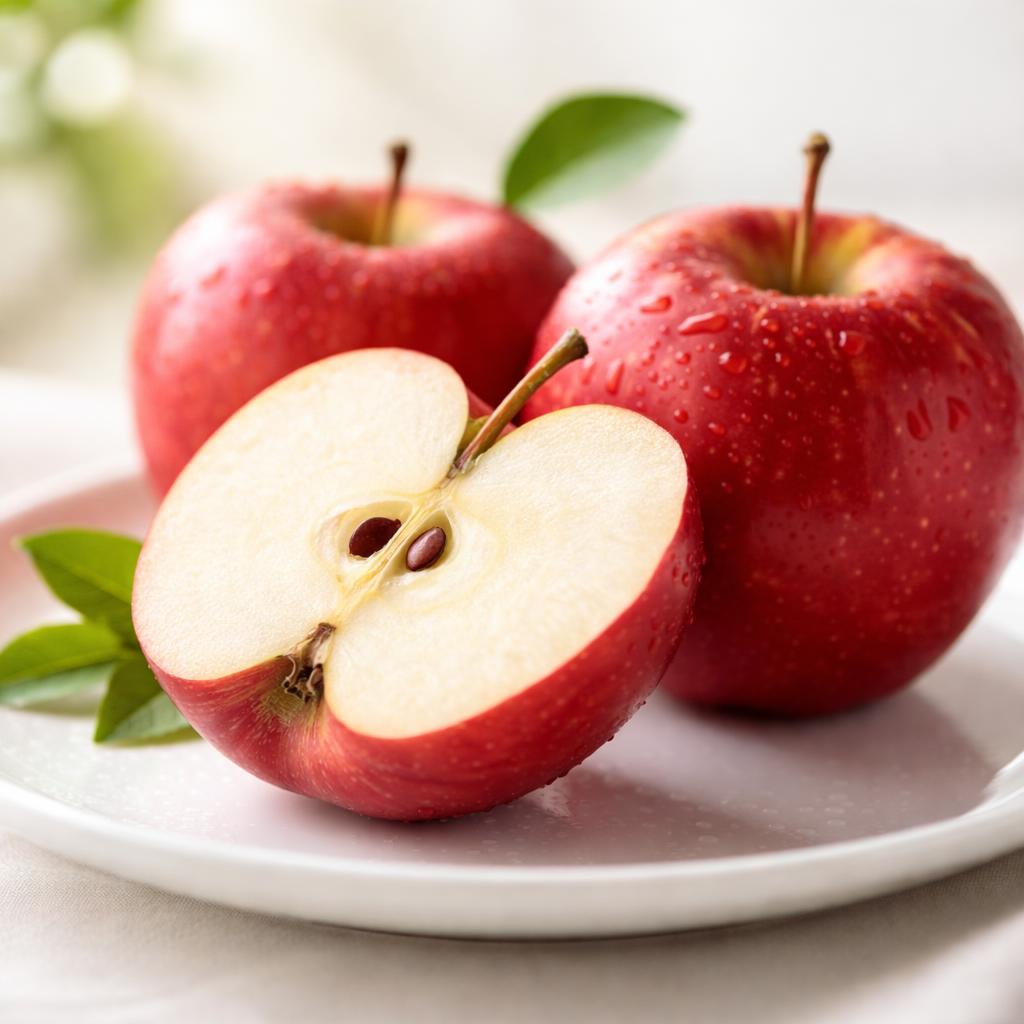
Apple
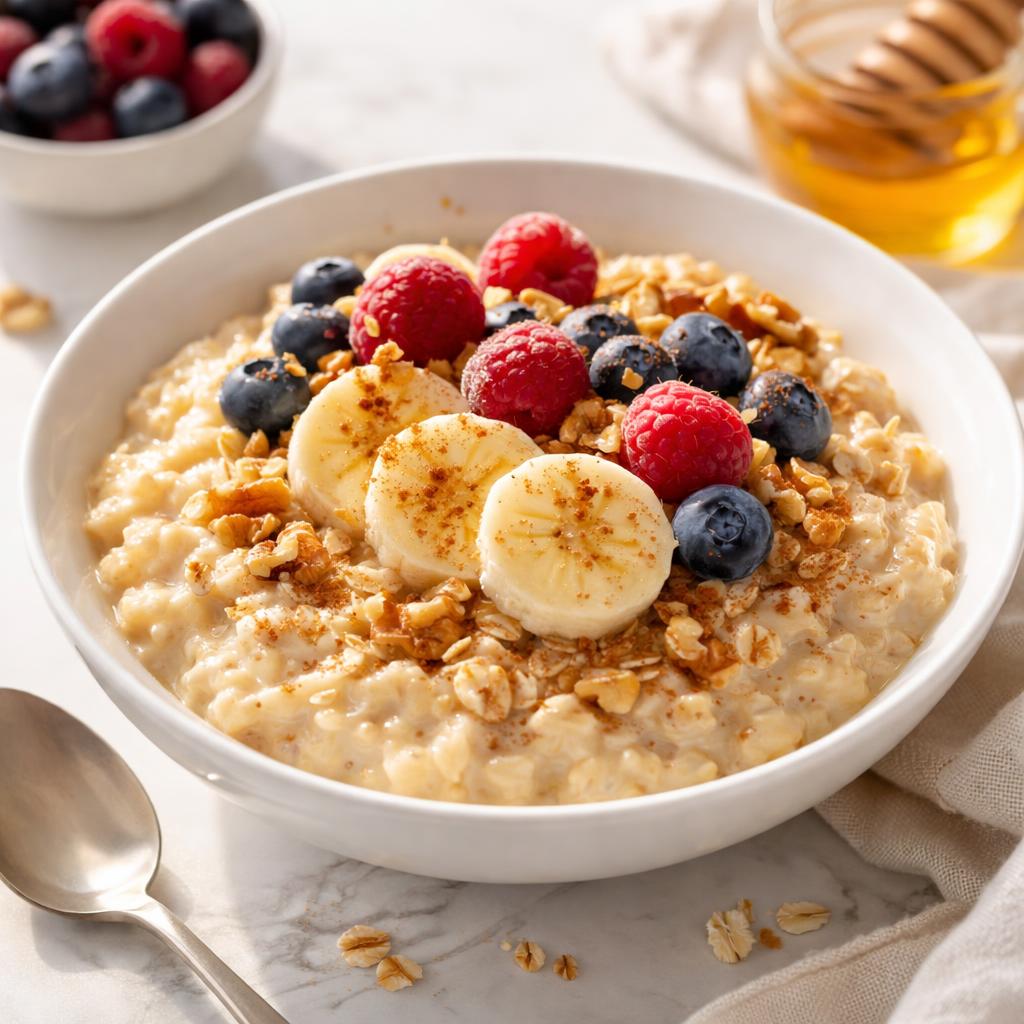
Oatmeal
🎯 Quick Verdict
Apples are low-calorie, hydrating, and offer natural sugars and vitamin C. Oatmeal is higher in protein, fiber, and provides sustained energy through complex carbohydrates. Apples are ideal as a light snack, while oatmeal serves as a filling and nutrient-rich meal option, especially for breakfast or post-exercise recovery.

Smart Nutrition Tracking with SnapCalorie

📊 Nutritional Comparison
Macronutrients
| Nutrient | Food 1 | Food 2 | Winner |
|---|---|---|---|
| Calories | 95 | 150 | ✓ |
| Protein | 0.5g | 5g | ✓ |
| Carbs | 25g | 27g | ✓ |
| Fat | 0.3g | 3g | ✓ |
| Fiber | 4g | 4g | − |
Vitamins & Minerals
| Nutrient | Food 1 | Food 2 | Winner |
|---|---|---|---|
| Vitamin C | 8mg | 0mg | ✓ |
| Vitamin D | 0mcg | 0mcg | − |
| Calcium | 11mg | 20mg | ✓ |
| Iron | 0.2mg | 1.5mg | ✓ |
🏆 Category Winners
Protein
Oatmeal contains 10x more protein than an apple.
Fiber
Both contain 4g of fiber per serving.
Calories
Apples have significantly fewer calories per serving.
Vitamins
Apples are richer in vitamin C, which oatmeal lacks entirely.
🥗 Diet Compatibility
Keto
Food 1: Not Compatible
Food 2: Not Compatible
Both are high-carb foods exceeding keto guidelines.
Vegan
Food 1: Compatible
Food 2: Compatible
Both foods are plant-based.
Gluten Free
Food 1: Compatible
Food 2: Compatible (if gluten-free oats are used)
Oats must specify they are gluten-free for celiac safety.
Paleo
Food 1: Compatible
Food 2: Not Compatible
Apples align with paleo guidelines, whereas oats do not.
Low-Carb
Food 1: Not Compatible
Food 2: Not Compatible
Both foods are moderate to high in carbohydrates.
💪 Health Benefits Comparison
Food 1 Benefits
- Low-calorie and hydrating snack
- Rich in vitamin C to boost immunity
- Contains antioxidants like quercetin to reduce inflammation
- Supports digestion with natural fiber
Food 2 Benefits
- Provides sustained energy from complex carbohydrates
- High in protein for muscle repair and satiety
- Rich in fiber to promote heart health and digestion
- Contains iron and magnesium for overall metabolic function
✅ The Bottom Line
Choose an apple for a quick, low-calorie snack that hydrates and provides vitamin C. Opt for oatmeal as a filling, nutrient-dense meal that offers more protein, sustained energy, and enhanced satiety—especially suitable for breakfast or pre/post-workout recovery.
Choose Food 1 for: Quick snack, weight management, immune support
Choose Food 2 for: Heart health, muscle repair, sustained energy


