Apple VS Muesli
A detailed nutritional comparison
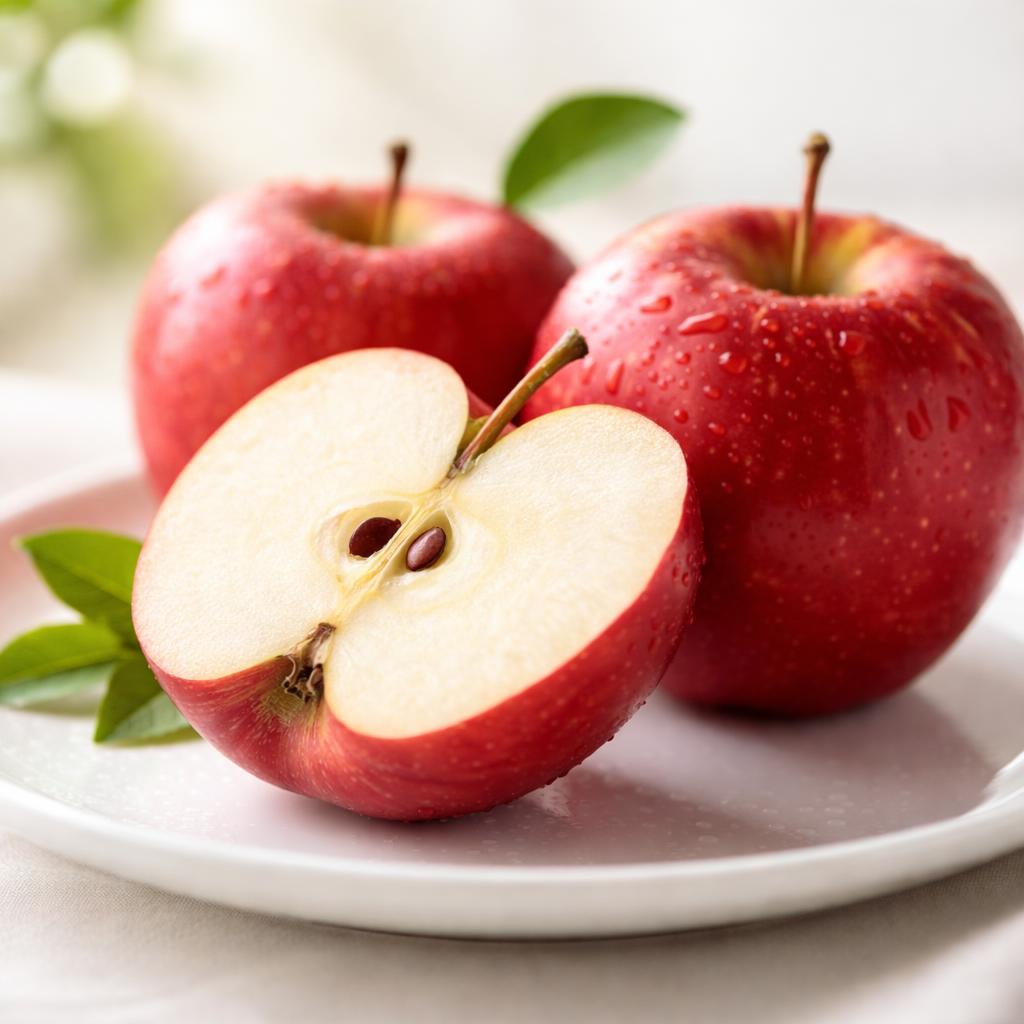
Apple
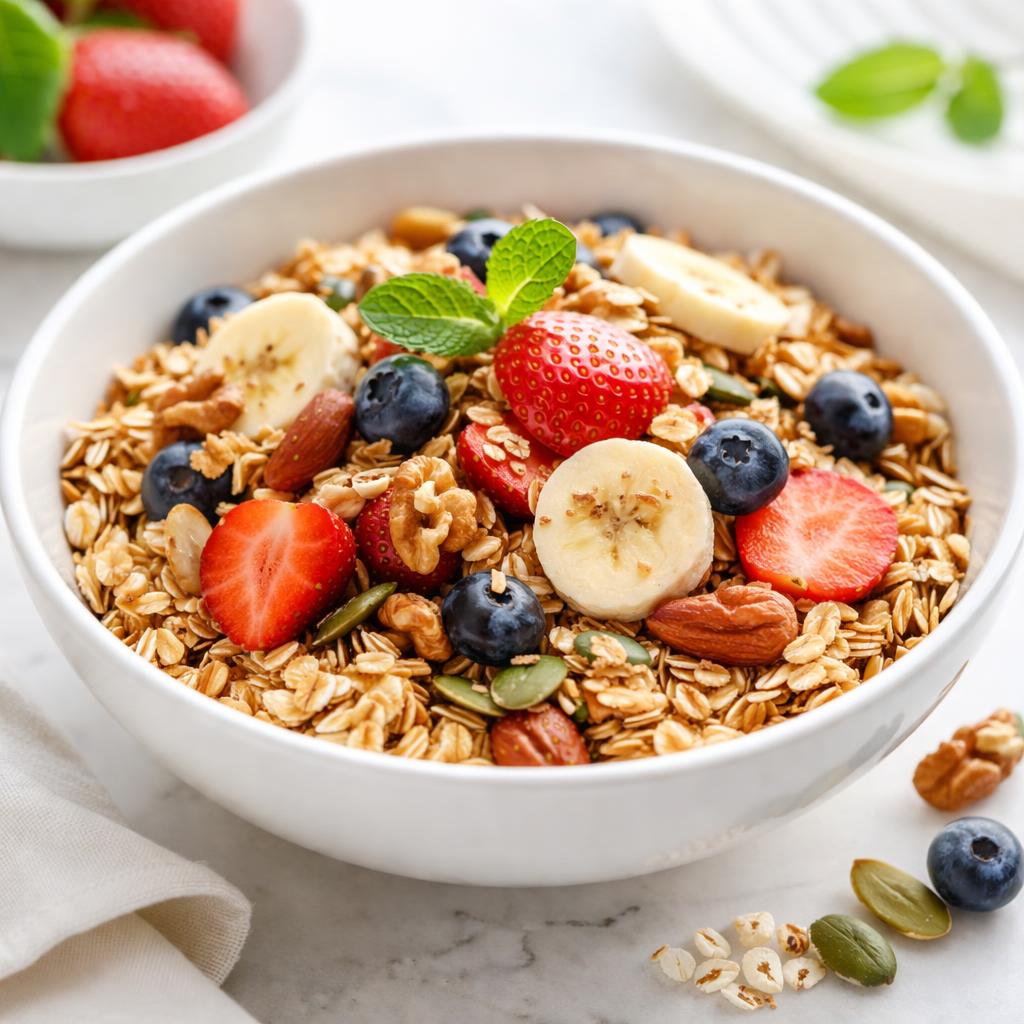
Muesli
🎯 Quick Verdict
While apples are lower in calories (around 95 per medium apple) and serve as a lightweight, low-fat snack, muesli offers a more nutrient-dense option with more fiber (4g) and protein (8g per 40g serving). Apples are great for hydration and quick energy, while muesli serves well for sustained energy and satiety due to its higher protein and fiber content.

Smart Nutrition Tracking with SnapCalorie

📊 Nutritional Comparison
Macronutrients
| Nutrient | Food 1 | Food 2 | Winner |
|---|---|---|---|
| Calories | 95 | 150 | ✓ |
| Protein | 0.5g | 8g | ✓ |
| Carbs | 25g | 30g | ✓ |
| Fat | 0.3g | 6g | ✓ |
| Fiber | 4.4g | 4g | ✓ |
Vitamins & Minerals
| Nutrient | Food 1 | Food 2 | Winner |
|---|---|---|---|
| Vitamin C | 8.4mg | 0.5mg | ✓ |
| Vitamin D | 0mcg | 0mcg | − |
| Calcium | 10mg | 25mg | ✓ |
| Iron | 0.2mg | 2mg | ✓ |
🏆 Category Winners
Protein
Muesli contains 16x more protein per serving than apples.
Fiber
Apples slightly edge out muesli in fiber content (4.4g vs 4g).
Calories
Apples are significantly lower in calories (95 vs 150 per serving).
Vitamins
Apples are much higher in Vitamin C, benefiting immunity.
🥗 Diet Compatibility
Keto
Food 1: Not Compatible
Food 2: Not Compatible
Both are relatively high-carb foods.
Vegan
Food 1: Compatible
Food 2: Compatible
Both are plant-based options.
Gluten Free
Food 1: Compatible
Food 2: Depends
Apples are naturally gluten-free; muesli may contain gluten unless labeled specifically gluten-free.
Paleo
Food 1: Compatible
Food 2: Not Compatible
Apples align with paleo principles, muesli typically does not due to grains.
Low-Carb
Food 1: Not Compatible
Food 2: Not Compatible
Both foods have moderate-to-high carbohydrate content.
💪 Health Benefits Comparison
Food 1 Benefits
- Rich in Vitamin C for immune health
- Contains natural sugars for quick energy
- Good source of fiber for digestion and satiety
- Provides hydration due to high water content
Food 2 Benefits
- High in protein for muscle repair and satiety
- Fiber content supports digestion and gut health
- Contains healthy fats for heart health (from nuts/seeds)
- Rich in essential minerals like iron and calcium
✅ The Bottom Line
If you’re seeking a light, refreshing snack and prioritizing Vitamin C, apples are ideal. However, muesli is a better choice for a complete, nutrient-dense meal substitute thanks to its higher protein and fiber content, sustained energy benefits, and better mineral profile.
Choose Food 1 for: Quick snacks, digestion support, immunity boost
Choose Food 2 for: Sustained energy, breakfast meal replacement, muscle repair


