Apple VS Mint
A detailed nutritional comparison
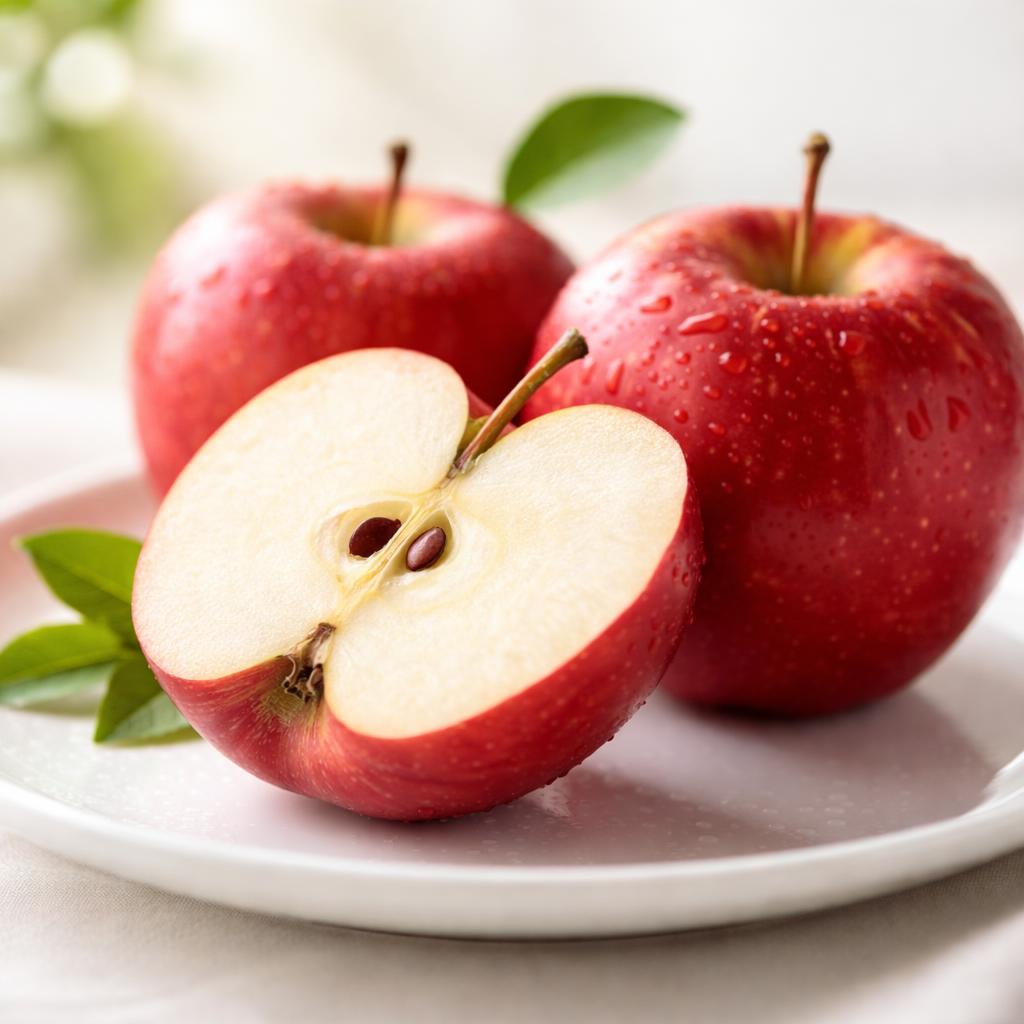
Apple
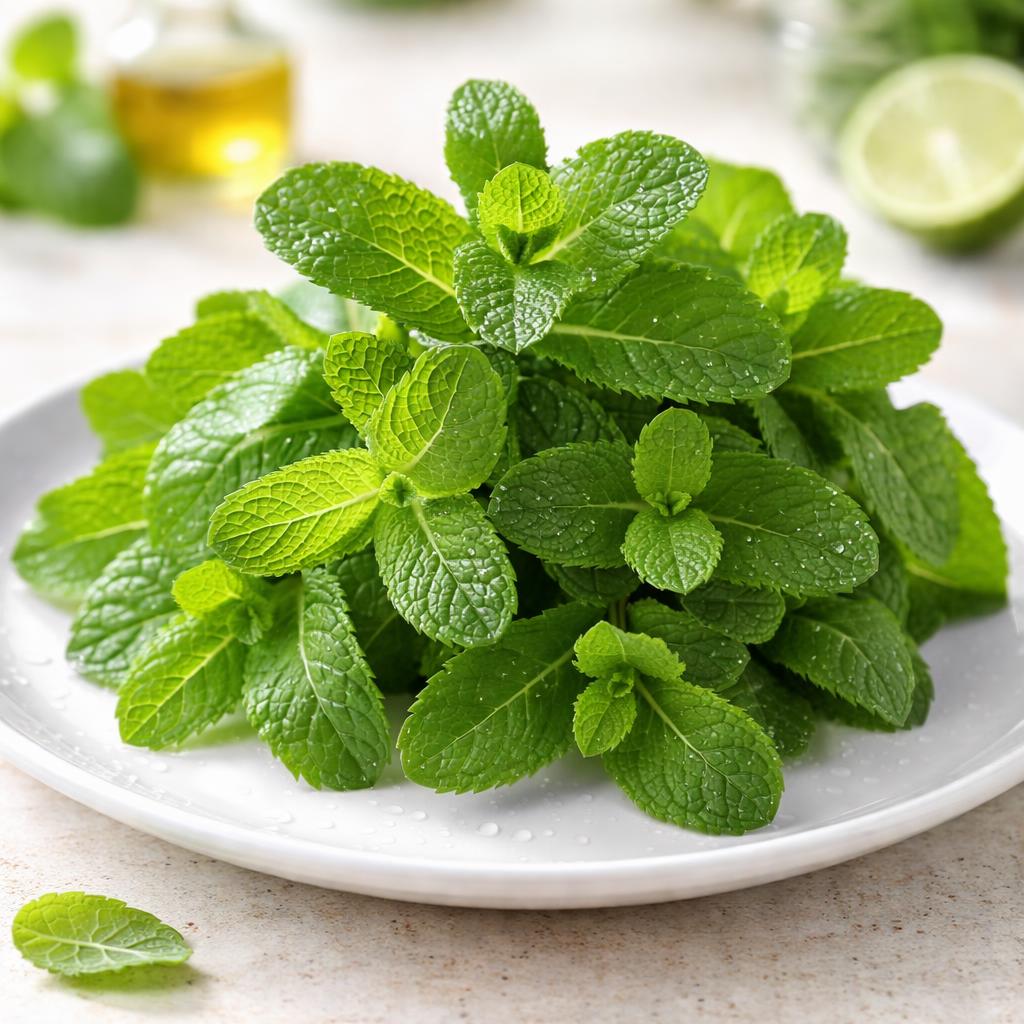
Mint
🎯 Quick Verdict
Apples are a nutrient-dense fruit rich in dietary fiber and vitamins, making them well-suited for overall health and digestion. Mint, on the other hand, is a low-calorie herb primarily used for flavor and provides antioxidants along with some vitamins. Apples are better for snacks and energy boosts while mint excels as a garnish or flavor enhancer.

Smart Nutrition Tracking with SnapCalorie

📊 Nutritional Comparison
Macronutrients
| Nutrient | Food 1 | Food 2 | Winner |
|---|---|---|---|
| Calories | 95 | 23 | ✓ |
| Protein | 0.5g | 0.6g | − |
| Carbs | 25g | 5g | ✓ |
| Fat | 0.3g | 0.6g | − |
| Fiber | 4g | 0.9g | ✓ |
Vitamins & Minerals
| Nutrient | Food 1 | Food 2 | Winner |
|---|---|---|---|
| Vitamin C | 8.4mg | 13mg | ✓ |
| Vitamin A | 3mcg | 212mcg | ✓ |
| Potassium | 195mg | 30mg | ✓ |
🏆 Category Winners
Protein
Both foods have very low protein content and comparable values.
Fiber
Apple provides over 4x the fiber of mint per serving.
Calories
Mint is extremely low in calories, ideal for low-calorie diets.
🥗 Diet Compatibility
Keto
Food 1: Not Compatible
Food 2: Compatible
Mint is low-carb with only 5g per serving, while apples have 25g and are not keto-friendly.
Vegan
Food 1: Compatible
Food 2: Compatible
Both are plant-based and suitable for vegan diets.
Gluten Free
Food 1: Compatible
Food 2: Compatible
Neither contains gluten.
Paleo
Food 1: Compatible
Food 2: Compatible
Both are whole, natural foods aligned with paleo diets.
Low-Carb
Food 1: Not Compatible
Food 2: Compatible
Mint is low in carbs, suitable for low-carb diets, unlike apples which are carb-dense.
💪 Health Benefits Comparison
Food 1 Benefits
- Rich in dietary fiber to support digestion and gut health
- Contains natural sugars for quick energy
- Good source of antioxidants to combat free radicals
- Provides potassium for heart and muscle function
Food 2 Benefits
- Contains antioxidants like menthol for reducing inflammation
- Supports digestion and freshens breath
- Rich in Vitamin A for eye health and immunity
- Low-calorie addition to support weight management
✅ The Bottom Line
Choose apples for snacking, digestion benefits, and energy boosts, especially if you need a fiber-rich food. Mint is best utilized as a low-calorie garnish or flavor enhancer, offering antioxidants and a refreshing touch. Apples work better for general nutrition, while mint complements meals or beverages effectively.
Choose Food 1 for: Snacking, digestion, energy boosts
Choose Food 2 for: Flavor enhancement, low-calorie diets, antioxidants


