Apple VS Mango
A detailed nutritional comparison
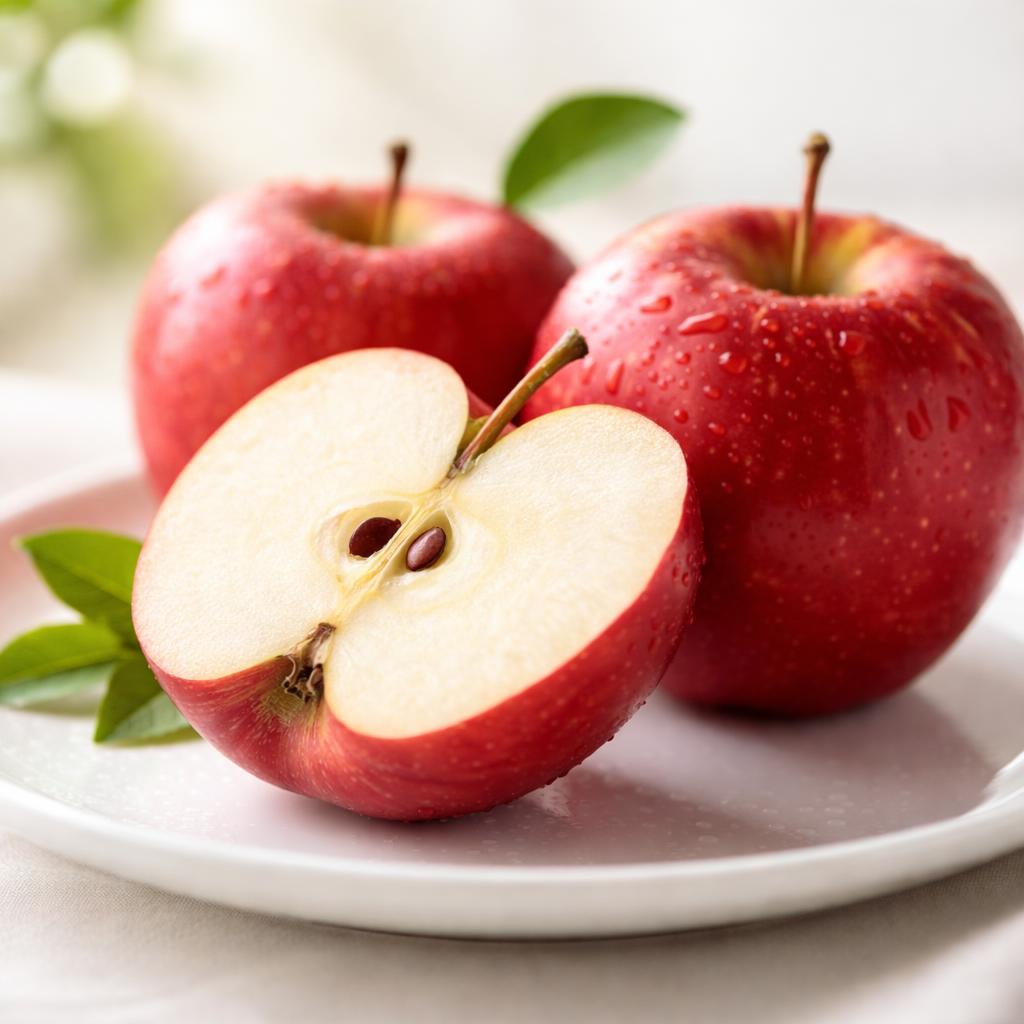
Apple
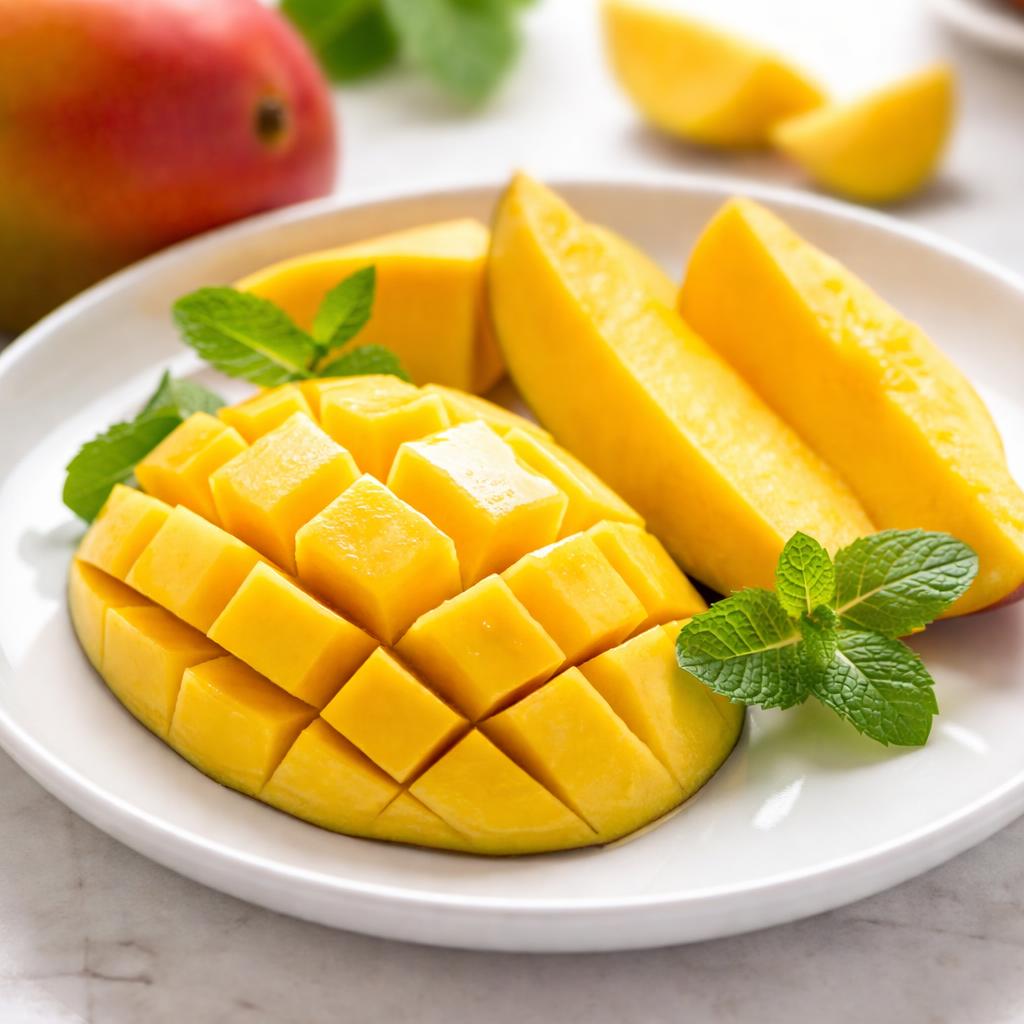
Mango
🎯 Quick Verdict
Apples and mangos both have unique benefits. Apples offer fewer calories and higher fiber, making them ideal for weight management and digestion, while mangos contain more vitamins like Vitamin A and Vitamin C, supporting immune health and skin. Best use cases depend on dietary goals and preferences.

Smart Nutrition Tracking with SnapCalorie

📊 Nutritional Comparison
Macronutrients
| Nutrient | Food 1 | Food 2 | Winner |
|---|---|---|---|
| Calories | 95 (medium apple) | 200 (1 cup sliced mango) | ✓ |
| Protein | 0.5g | 0.6g | − |
| Carbs | 25g | 50g | ✓ |
| Fat | 0.3g | 0.6g | ✓ |
| Fiber | 4g | 2.6g | ✓ |
Vitamins & Minerals
| Nutrient | Food 1 | Food 2 | Winner |
|---|---|---|---|
| Vitamin C | 8mg | 60mg | ✓ |
| Vitamin A | 3mcg | 1260mcg | ✓ |
| Potassium | 195mg | 277mg | ✓ |
🏆 Category Winners
Protein
Both contain nearly identical protein (0.5-0.6g per serving).
Fiber
Apples have 54% more fiber per serving than mangos.
Calories
Apples have less than half the calories of mangos per serving.
Vitamins
Mango is significantly richer in Vitamin C, A, and potassium.
🥗 Diet Compatibility
Keto
Food 1: Not Compatible
Food 2: Not Compatible
Both are high-carb and not suitable for keto diets.
Vegan
Food 1: Compatible
Food 2: Compatible
Both are plant-based fruits.
Gluten Free
Food 1: Compatible
Food 2: Compatible
Both are naturally gluten-free.
Paleo
Food 1: Compatible
Food 2: Compatible
Both align with paleo principles.
Low Carb
Food 1: Not Compatible
Food 2: Not Compatible
Both exceed typical low-carb thresholds (under 15g carbs/serving).
💪 Health Benefits Comparison
Food 1 Benefits
- Rich in fiber to support digestion and gut health
- Low in calories for weight management
- Contains mild Vitamin C for immune support
Food 2 Benefits
- High in Vitamin C for immune system and skin health
- Rich in Vitamin A, promoting eye health
- Provides potassium for heart and muscle function
✅ The Bottom Line
Choose apples if you prefer a lower-calorie, higher-fiber fruit for weight management or digestion. Opt for mangos if you want a nutrient-dense fruit packed with vitamins like C and A to support immunity and overall health.
Choose Food 1 for: Weight management, digestive health, light snacking
Choose Food 2 for: Immune support, nutrient diversity, tropical smoothie ingredient


