Apple VS Fat
A detailed nutritional comparison
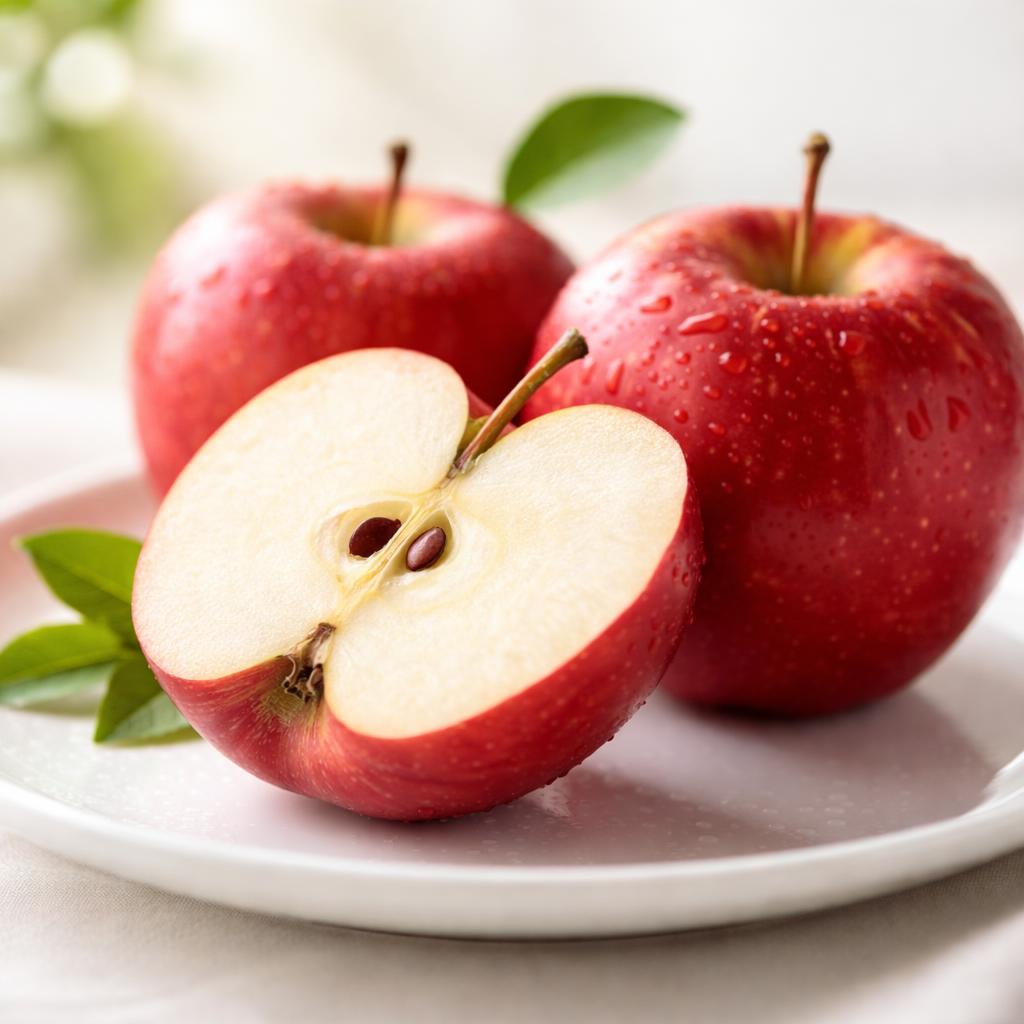
Apple

Fat
🎯 Quick Verdict
Apples are nutrient-dense fruits that provide fiber, vitamins, and fewer calories, making them ideal for general health and weight management. Fat, while calorie-dense, is essential for energy and nutrient absorption and better suited for keto and high-energy diets. Both have unique roles depending on dietary goals.

Smart Nutrition Tracking with SnapCalorie

📊 Nutritional Comparison
Macronutrients
| Nutrient | Food 1 | Food 2 | Winner |
|---|---|---|---|
| Calories | 95 | 120 | ✓ |
| Protein | 0.5g | 0g | − |
| Carbs | 25g | 0g | ✓ |
| Fat | 0.3g | 13g | ✓ |
| Fiber | 4g | 0g | ✓ |
Vitamins & Minerals
| Nutrient | Food 1 | Food 2 | Winner |
|---|---|---|---|
| Vitamin C | 8.4mg | 0mg | ✓ |
| Potassium | 195mg | 0mg | ✓ |
| Vitamin D | 0mcg | 0mcg | − |
| Calcium | 11mg | 0mg | ✓ |
| Iron | 0.1mg | 0mg | ✓ |
🏆 Category Winners
Protein
Both foods provide negligible protein.
Fiber
Apples contain 4g fiber, essential for digestion.
Calories
Apples are lower in calories compared to fat.
Vitamins
Apples are rich in vitamin C, potassium, and small amounts of calcium and iron.
🥗 Diet Compatibility
Keto
Food 1: Not Compatible
Food 2: Compatible
Foods with high carbs like apples are not keto-friendly, while fat is ideal.
Vegan
Food 1: Compatible
Food 2: Compatible
Both foods are plant-based and fully vegan.
Gluten Free
Food 1: Compatible
Food 2: Compatible
Neither food contains gluten.
Paleo
Food 1: Compatible
Food 2: Compatible
Apples and fats like natural oils are compatible with paleo diets.
Low-Carb
Food 1: Not Compatible
Food 2: Compatible
Apples are high in carbs (25g per serving), while fat contains no carbs.
💪 Health Benefits Comparison
Food 1 Benefits
- Rich in vitamin C to support immune health
- High in fiber to aid digestion and promote satiety
- Contains antioxidants that can reduce inflammation
- Low-calorie and nutrient-packed, ideal for weight management
Food 2 Benefits
- Source of essential fats for energy and cellular health
- Aids in the absorption of fat-soluble vitamins like A, D, E, and K
- Contributes to heart health when consuming healthy fat varieties (e.g., unsaturated fats)
- Can help provide sustained energy for high-intensity activities or low-carb diets
✅ The Bottom Line
Choose apples for general health, fiber, vitamins, or when aiming for lower-calorie meals. Opt for fat when focusing on keto, low-carb diets, or energy-dense nutrition. These foods complement each other based on dietary needs.
Choose Food 1 for: Weight management, digestion, immune support
Choose Food 2 for: Energy-dense diets, keto/low-carb, nutrient absorption


