Apple VS Chocolate
A detailed nutritional comparison
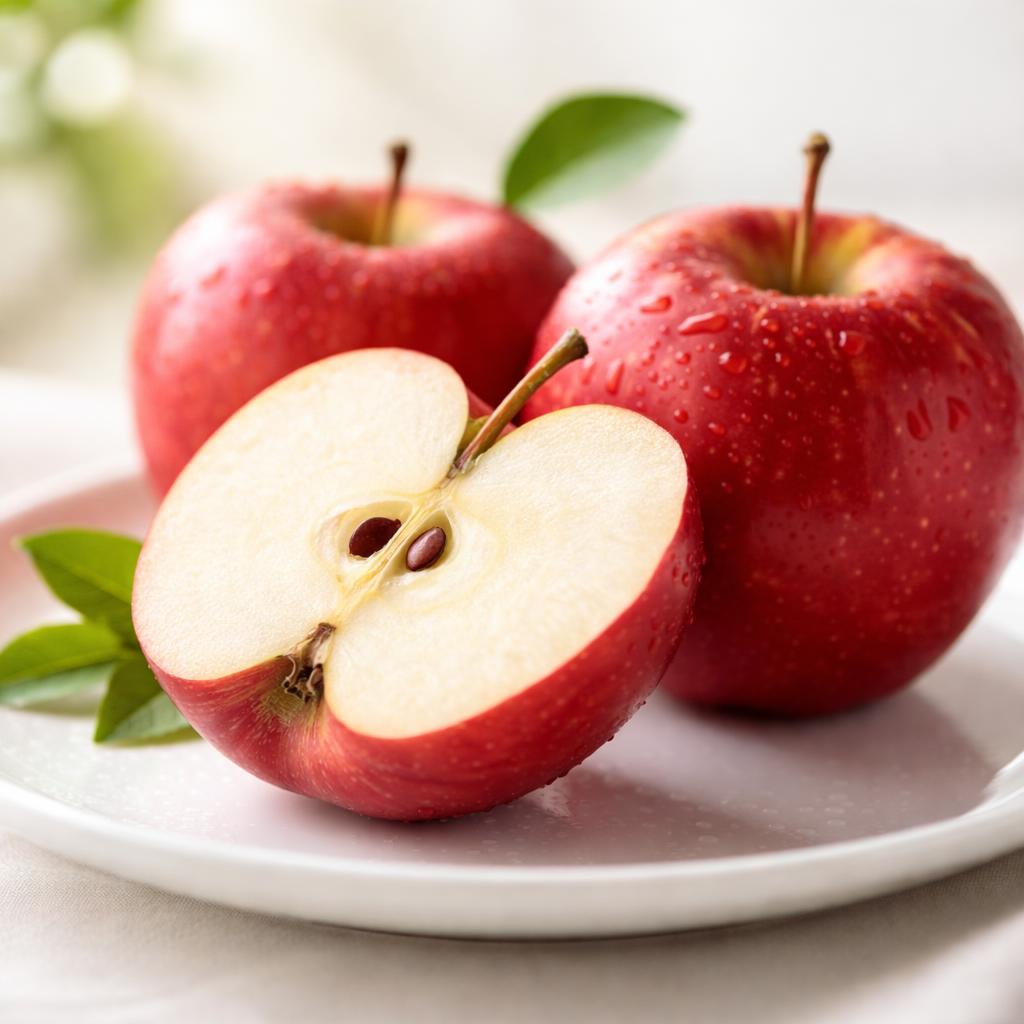
Apple

Chocolate
🎯 Quick Verdict
Apples and chocolate have very distinct nutritional profiles. Apples are lower in calories, higher in fiber, and great for light snacking, while chocolate provides more protein, healthy fat, and is energy-dense. Apples excel in vitamins and work well for general health, whereas chocolate is great for a quick source of energy and indulgence when consumed in moderation.

Smart Nutrition Tracking with SnapCalorie

📊 Nutritional Comparison
Macronutrients
| Nutrient | Food 1 | Food 2 | Winner |
|---|---|---|---|
| Calories | 95 | 200 | ✓ |
| Protein | 0.5g | 3g | ✓ |
| Carbs | 25g | 24g | ✓ |
| Fat | 0.3g | 12g | ✓ |
| Fiber | 4g | 2g | ✓ |
Vitamins & Minerals
| Nutrient | Food 1 | Food 2 | Winner |
|---|---|---|---|
| Vitamin C | 8mg | 0mg | ✓ |
| Potassium | 195mg | 150mg | ✓ |
| Magnesium | 5mg | 70mg | ✓ |
| Iron | 0.1mg | 2mg | ✓ |
🏆 Category Winners
Protein
Chocolate contains 6 times more protein per serving.
Fiber
Apple has 2 times more fiber per serving.
Calories
Apple has less than half the calories of chocolate per serving.
Vitamins
Apples are richer in Vitamin C and potassium, while chocolate excels in magnesium and iron.
🥗 Diet Compatibility
Keto
Food 1: Not Compatible
Food 2: Potentially Compatible
Chocolate can be keto-friendly if low in sugar.
Vegan
Food 1: Compatible
Food 2: Compatible
Both options are plant-based.
Gluten Free
Food 1: Compatible
Food 2: Compatible
Neither contains gluten.
Paleo
Food 1: Compatible
Food 2: Not Compatible
Apples fit paleo guidelines; chocolate does not due to processing.
Low-Carb
Food 1: Not Compatible
Food 2: Potentially Compatible
Chocolate could be low-carb if sugar content is minimized.
💪 Health Benefits Comparison
Food 1 Benefits
- Rich in fiber for digestion and gut health
- Contains vitamin C for immunity
- Low-calorie option for weight management
- Supports heart health with potassium
Food 2 Benefits
- Provides magnesium for muscle function and nerve health
- Contains antioxidants like flavonoids which support heart health
- High-energy and protein content for refueling
- Rich in iron for blood health
✅ The Bottom Line
Both apple and chocolate have their place in a diet depending on the context. Choose apples for a low-calorie, nutrient-rich snack that promotes overall health. Opt for chocolate, preferably dark, as an occasional indulgent treat that provides protein, healthy fats, and antioxidants.
Choose Food 1 for: Low-calorie snacking, general health, digestion, hydration
Choose Food 2 for: Energy boost, indulgence, heart health via antioxidants


