Apple VS Berry Smoothie
A detailed nutritional comparison
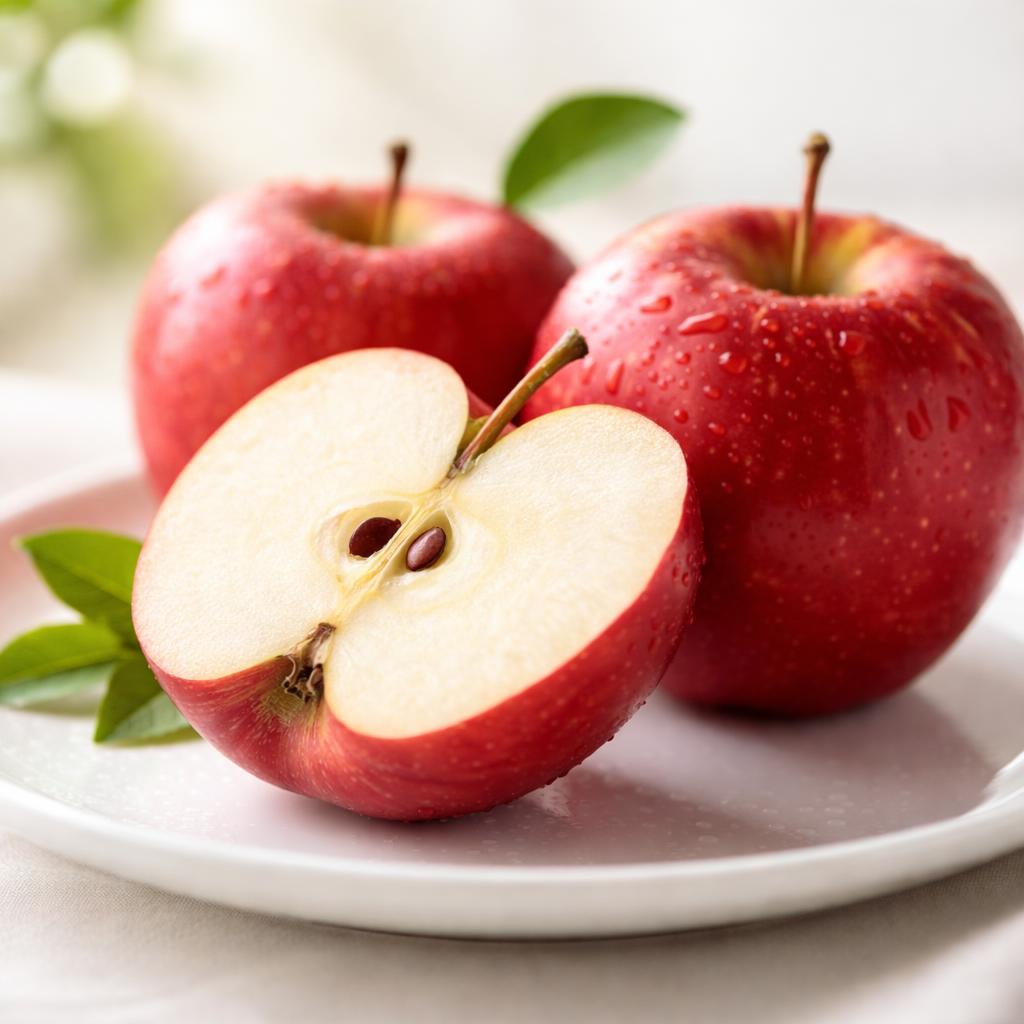
Apple
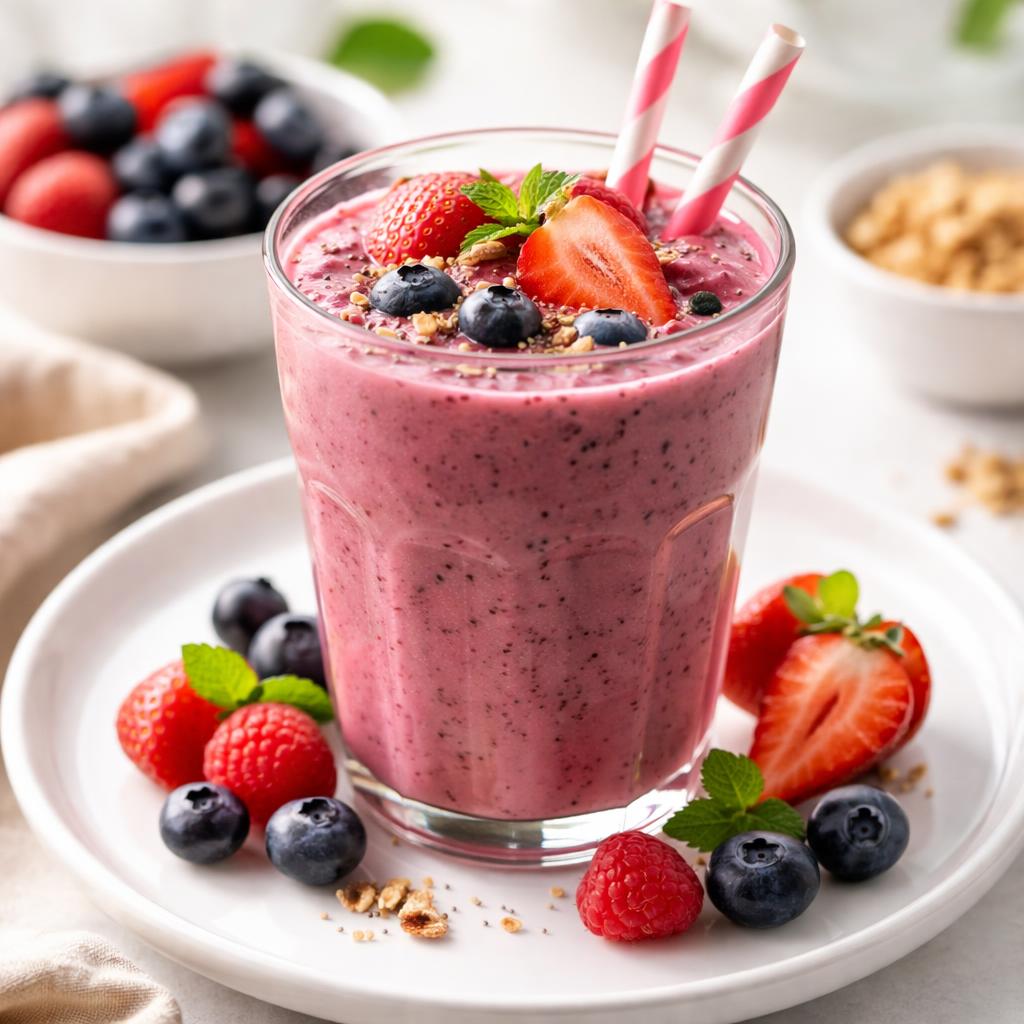
Berry Smoothie
🎯 Quick Verdict
Apples are a lower-calorie, convenient snack that provides natural sugars and fiber, ideal for weight loss and light snacking. Berry smoothies, on the other hand, offer a nutrient-packed option with higher protein and antioxidants, making them better suited for post-workout recovery or nutrient density when blended with additional ingredients like yogurt or protein powder.

Smart Nutrition Tracking with SnapCalorie

📊 Nutritional Comparison
Macronutrients
| Nutrient | Food 1 | Food 2 | Winner |
|---|---|---|---|
| Calories | 95 | 180 | ✓ |
| Protein | 0.5g | 5g | ✓ |
| Carbs | 25g | 35g | ✓ |
| Fat | 0.3g | 3g | ✓ |
| Fiber | 4g | 4g | − |
Vitamins & Minerals
| Nutrient | Food 1 | Food 2 | Winner |
|---|---|---|---|
| Vitamin C | 8mg | 20mg | ✓ |
| Calcium | 10mg | 30mg | ✓ |
| Iron | 0.1mg | 0.5mg | ✓ |
🏆 Category Winners
Protein
Food2 contains 10x the protein of food1 due to yogurt or added protein powders.
Fiber
Both foods provide 4g of fiber per serving.
Calories
Food1 has significantly fewer calories per serving, making it lighter for snacking.
Vitamins
Berry smoothie has higher levels of vitamin C, calcium, and iron due to diverse ingredients.
🥗 Diet Compatibility
Keto
Food 1: Not Compatible
Food 2: Not Compatible
Both are high in carbs, exceeding typical keto limits.
Vegan
Food 1: Compatible
Food 2: Depending on ingredients, it can be made vegan
Berry smoothies are compatible if made without dairy-based yogurt.
Gluten Free
Food 1: Compatible
Food 2: Compatible
Neither food contains gluten.
Paleo
Food 1: Compatible
Food 2: Depending on ingredients
Berry smoothie is compatible only if paleo-friendly ingredients are used.
Low-Carb
Food 1: Not Compatible
Food 2: Not Compatible
Both foods are relatively high in carbohydrates per serving.
💪 Health Benefits Comparison
Food 1 Benefits
- Rich in fiber for gut health and better digestion
- Low in calories, ideal for weight management
- Natural sugars for sustained energy
Food 2 Benefits
- High in protein for muscle repair and recovery
- Packed with antioxidants from berries
- Good source of vitamin C for immune support
✅ The Bottom Line
Apples are the best choice for a low-calorie snack or as part of a light eating plan to curb hunger and provide fiber. Berry smoothies are more nutrient-dense and versatile, ideal for post-workout recovery or as a fuller meal substitute. Choose based on your caloric needs and dietary goals.
Choose Food 1 for: Weight loss, light snacks, sustained energy
Choose Food 2 for: Post-workout recovery, nutrient-rich meal replacements, antioxidant intake


