Apple VS Apple Slices
A detailed nutritional comparison
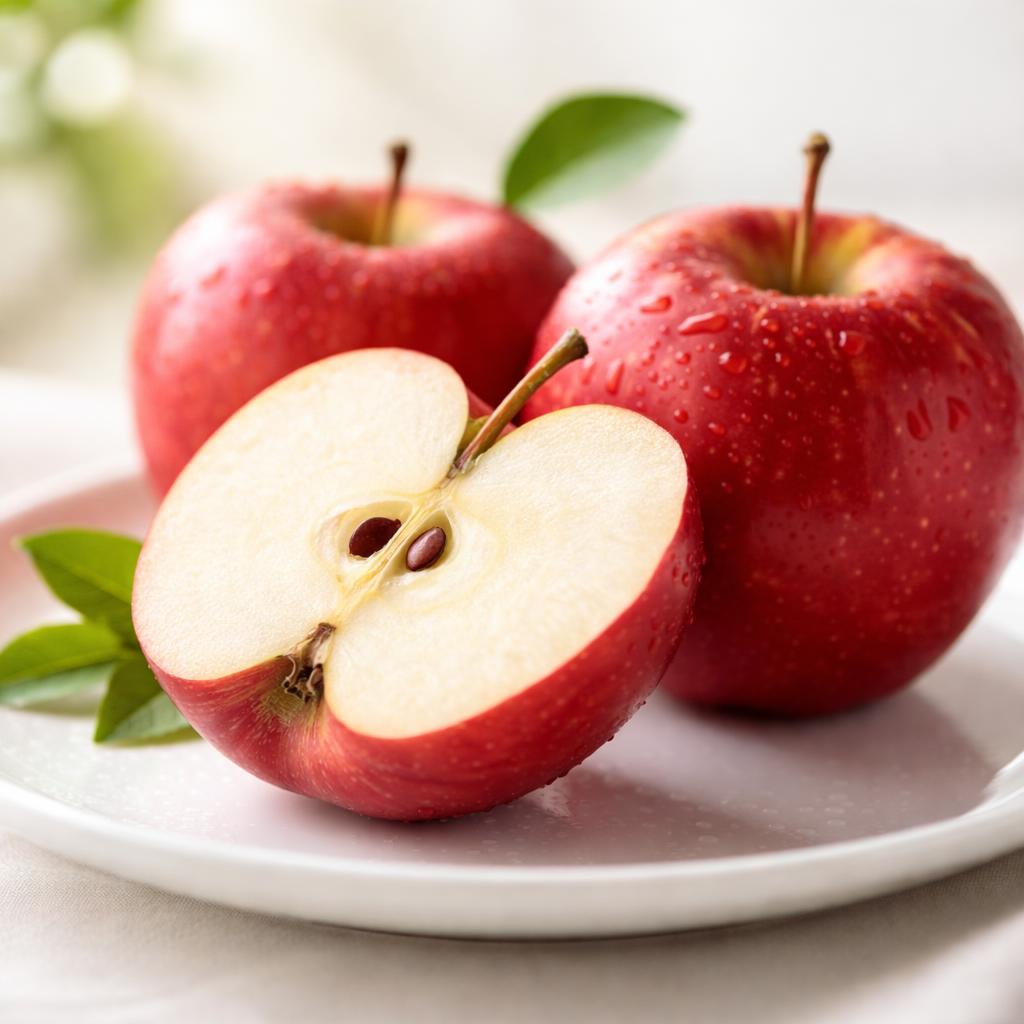
Apple
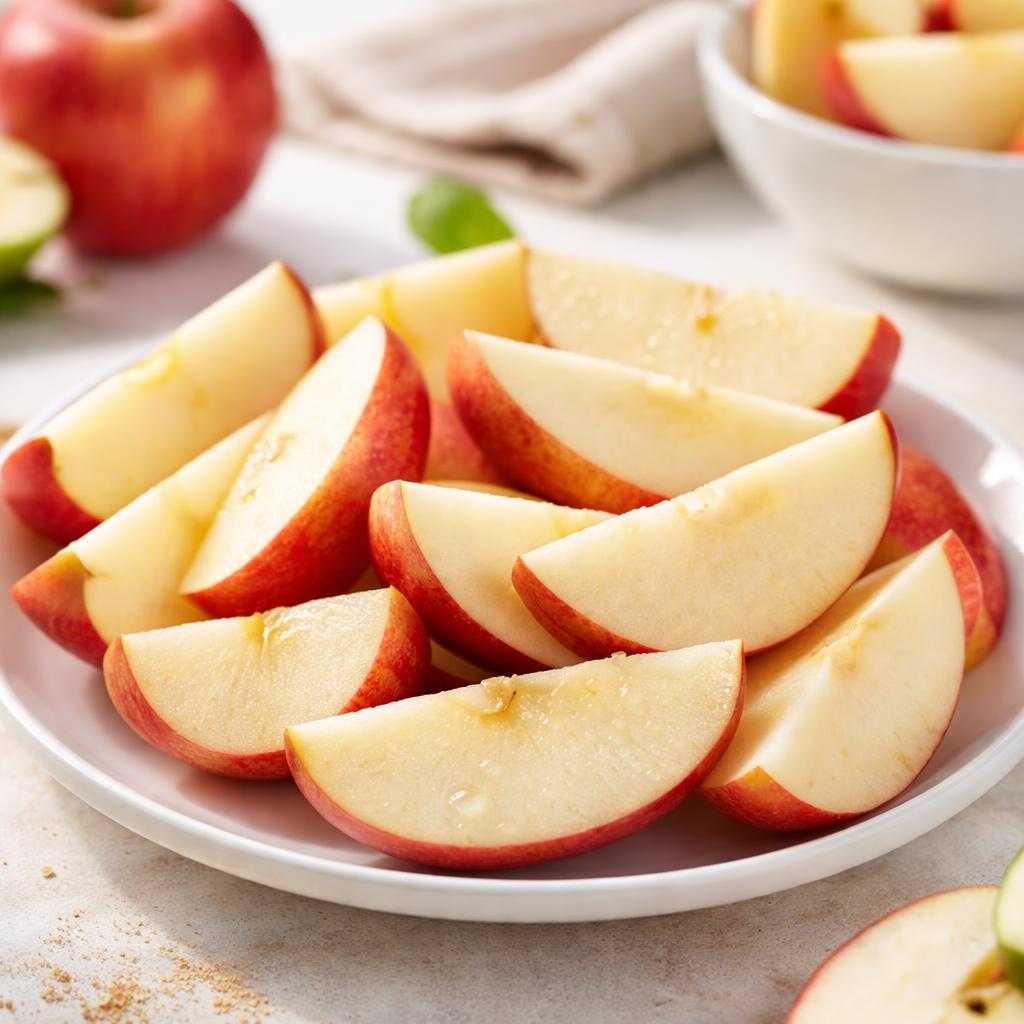
Apple Slices
🎯 Quick Verdict
Whole apples and apple slices have virtually identical nutritional profiles since they are essentially the same food. Whole apples may offer slightly more fiber if consumed with the peel, whereas pre-sliced apples are more convenient for snacking but may lose minor nutrients due to oxidation. Both options are highly nutritious and versatile in a healthy diet.

Smart Nutrition Tracking with SnapCalorie

📊 Nutritional Comparison
Macronutrients
| Nutrient | Food 1 | Food 2 | Winner |
|---|---|---|---|
| Calories | 95 | 95 | − |
| Protein | 0.5g | 0.5g | − |
| Carbs | 25g | 25g | − |
| Fat | 0.3g | 0.3g | − |
| Fiber | 4g | 4g | − |
Vitamins & Minerals
| Nutrient | Food 1 | Food 2 | Winner |
|---|---|---|---|
| Vitamin C | 8.4mg | 8.4mg | − |
| Potassium | 195mg | 195mg | − |
| Vitamin A | 3mcg | 3mcg | − |
🏆 Category Winners
Protein
Both foods contain 0.5g of protein per serving.
Fiber
Fiber content in a medium apple and apple slices (with peel) is identical (4g).
Calories
Both a medium apple and apple slices have an identical calorie count of 95.
🥗 Diet Compatibility
Keto
Food 1: Not Compatible
Food 2: Not Compatible
Apples are high in carbohydrates (25g per serving), making them unsuitable for strict keto diets.
Vegan
Food 1: Compatible
Food 2: Compatible
Apples and apple slices are plant-based and vegan-friendly.
Gluten Free
Food 1: Compatible
Food 2: Compatible
Both foods are naturally gluten-free.
Paleo
Food 1: Compatible
Food 2: Compatible
Apples align with Paleo principles as they are a whole fruit.
Low Carb
Food 1: Not Compatible
Food 2: Not Compatible
Apples contain 25g of carbohydrates, which may not fit within a low-carb diet plan.
💪 Health Benefits Comparison
Food 1 Benefits
- Rich in dietary fiber to support digestion
- Provides vitamin C for immune system health
- Contains antioxidants like quercetin and flavonoids
- Naturally hydrating with a high water content
Food 2 Benefits
- Convenient and portion-controlled snack option
- Offers the same fiber benefits as a whole apple when peel is retained
- Vitamin-rich for skin health and immunity
- Supports hydration and energy throughout the day
✅ The Bottom Line
Whole apples and apple slices are nutritionally identical when the peel is retained. If you prioritize convenience, apple slices might be better for quick snacking or meal prep. If you prefer to minimize nutrient loss from oxidation and get the most benefits, go with a whole apple consumed fresh.
Choose Food 1 for: Use for cooking, baking, and as a fresh nutritious snack with maximum fiber and antioxidant retention.
Choose Food 2 for: Great for on-the-go snacking and portion control with minimal prep required.


