Apple VS Almonds
A detailed nutritional comparison
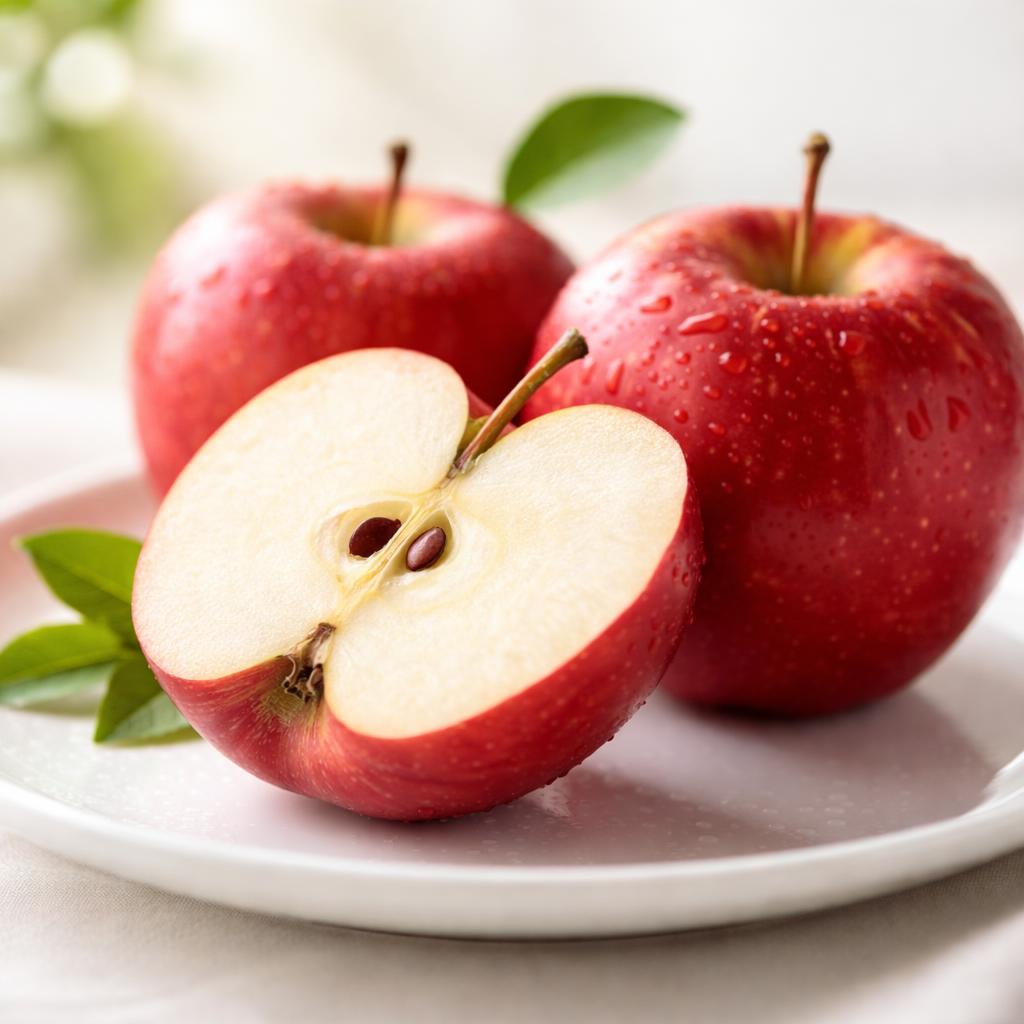
Apple
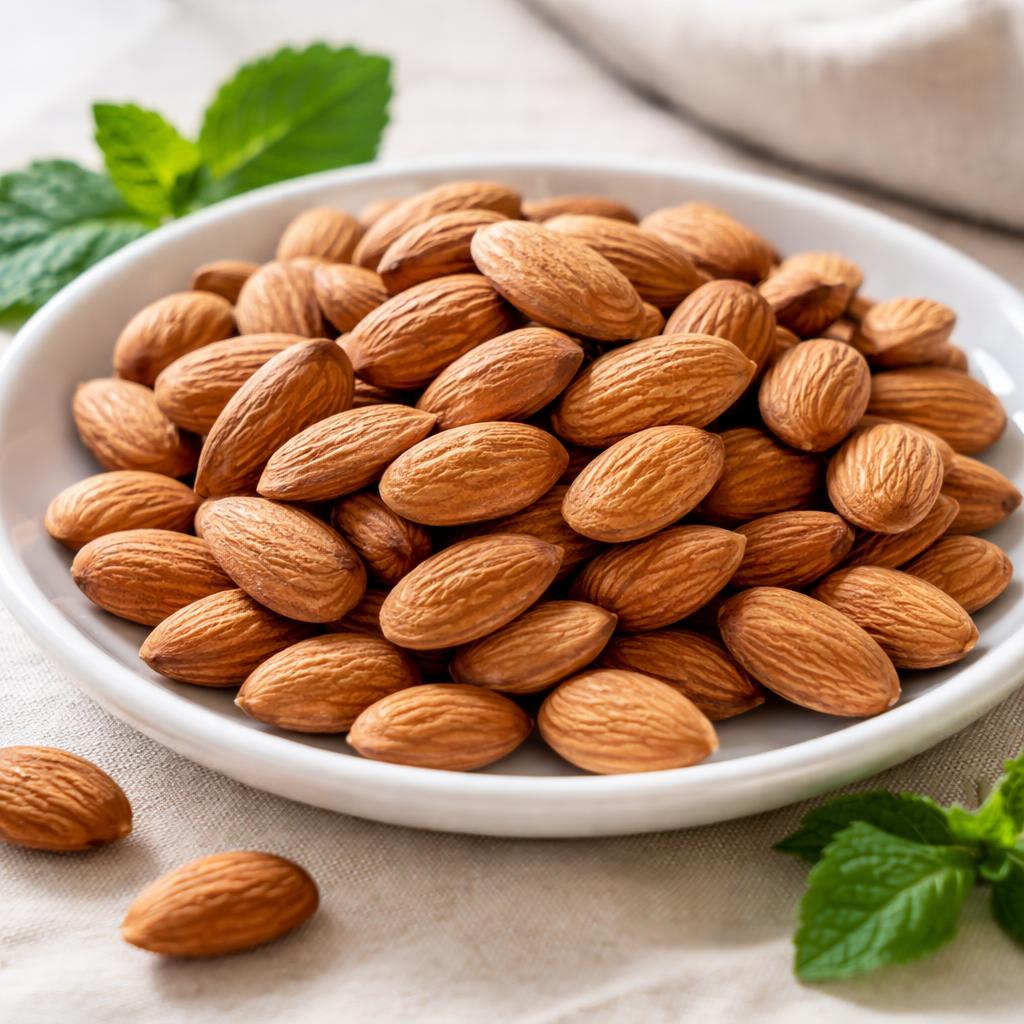
Almonds
🎯 Quick Verdict
Apples are low in calories and provide natural sugars along with a moderate amount of fiber, making them ideal for quick energy and hydration. Almonds, on the other hand, are calorie-dense, rich in healthy fats, and high in protein and fiber, making them suitable for sustained energy and satiety. Both foods have distinct advantages based on dietary goals.

Smart Nutrition Tracking with SnapCalorie

📊 Nutritional Comparison
Macronutrients
| Nutrient | Food 1 | Food 2 | Winner |
|---|---|---|---|
| Calories | 95 | 160 | ✓ |
| Protein | 0.5g | 6g | ✓ |
| Carbs | 25g | 6g | ✓ |
| Fat | 0.3g | 14g | ✓ |
| Fiber | 4g | 3.5g | ✓ |
Vitamins & Minerals
| Nutrient | Food 1 | Food 2 | Winner |
|---|---|---|---|
| Vitamin C | 8.4mg | 0mg | ✓ |
| Calcium | 6mg | 76mg | ✓ |
| Iron | 0.2mg | 1mg | ✓ |
| Magnesium | 6mg | 76mg | ✓ |
🏆 Category Winners
Protein
Almonds have 12x more protein per serving than apples.
Fiber
Apples provide slightly more fiber per serving than almonds.
Calories
Apples are lower in calories, making them better for weight loss.
Vitamins
Apples are rich in vitamin C, while almonds do not provide any vitamin C.
🥗 Diet Compatibility
Keto
Food 1: Not Compatible
Food 2: Compatible
Almonds are low-carb and high-fat, aligning with keto diets.
Vegan
Food 1: Compatible
Food 2: Compatible
Both foods are plant-based and suitable for vegans.
Gluten Free
Food 1: Compatible
Food 2: Compatible
Neither food contains gluten.
Paleo
Food 1: Compatible
Food 2: Compatible
Both foods fit within paleo dietary guidelines.
Low-Carb
Food 1: Not Compatible
Food 2: Compatible
Apples are high in carbs due to natural sugars, while almonds are low-carb.
💪 Health Benefits Comparison
Food 1 Benefits
- High in vitamin C for immune support
- Provides natural sugars for quick energy
- Contains antioxidants that may promote heart health
- Supports digestion due to soluble fiber
Food 2 Benefits
- Rich in healthy fats for heart health
- High in protein for muscle maintenance and satiety
- Packed with magnesium to support bone density and energy production
- Contains antioxidants for cellular protection
✅ The Bottom Line
Apples are best for quick energy, hydration, and low-calorie snacking, making them perfect for active individuals and weight loss goals. Almonds, on the other hand, are calorie-dense and nutrient-rich, ideal for satisfying hunger, supporting muscle maintenance, and boosting healthy fat intake. Choose apples for light snacks and almonds for more substantial, energy-dense support.
Choose Food 1 for: Weight loss, quick energy, immune support
Choose Food 2 for: Muscle maintenance, sustained energy, heart health


