Vodka Slush
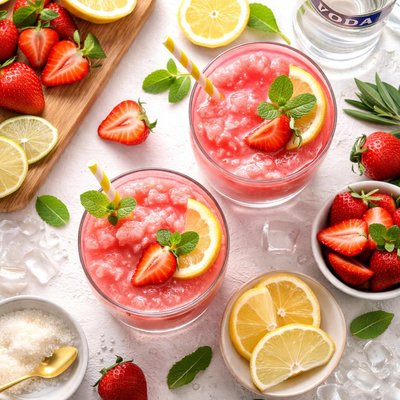
Cool down with the ultimate summer refresher: Vodka Slush! This easy, make-ahead frozen cocktail combines citrusy lemonade and orange juice concentrates with smooth vodka, creating the perfect balance of sweet, tangy, and boozy flavors. Lightly carbonated with a splash of lemon-lime soda right before serving, this icy treat is as fizzy as it is refreshing. With just 10 minutes of prep and a slushy consistency achieved in the freezer, it’s an effortless crowd-pleaser for backyard bbqs, pool parties, or any warm-weather gathering. Garnish with ice cubes for extra chill, and serve up this frosty delight in individual glasses for a guaranteed hit of citrusy bliss. Keywords: vodka slush recipe, frozen cocktail, citrus vodka drink, easy summer drinks.

Smart Nutrition Tracking with SnapCalorie

Explore More



Recipe Information
Ingredients
- 2 cups Vodka
- 1 can (12 oz) Lemonade concentrate
- 1 can (12 oz) Orange juice concentrate
- 4 cups Sprite or lemon-lime soda
- 7 cups Water
- 2 cups Sugar
- 2 cups Ice cubes (optional)
Instructions
In a large mixing bowl or container, combine 7 cups of water and 2 cups of sugar. Stir until the sugar is completely dissolved.
Add the lemonade concentrate and orange juice concentrate to the sugar water mixture. Mix well to combine.
Stir in 2 cups of vodka. Mix everything thoroughly.
Pour the mixture into a large, freezer-safe container with a lid. Freeze for at least 4-6 hours or until the mixture becomes slushy.
Once the mixture is frozen to a slushy consistency, scoop the vodka slush into individual serving glasses using a spoon or ice cream scoop.
Top each serving with about 1/2 cup of Sprite or lemon-lime soda for added fizz and a refreshing touch.
If desired, add ice cubes to the glasses to keep the slush chilled longer.
Serve immediately and enjoy your cold, citrusy vodka slush!
Nutrition Facts
Calories |
428 | ||
|---|---|---|---|
% Daily Value* |
|||
| Total Fat | 0.0 g | 0% | |
| Saturated Fat | 0.0 g | 0% | |
| Polyunsaturated Fat | 0.0 g | ||
| Cholesterol | 0 mg | 0% | |
| Sodium | 28 mg | 1% | |
| Total Carbohydrate | 78.8 g | 29% | |
| Dietary Fiber | 0.0 g | 0% | |
| Total Sugars | 77.4 g | ||
| Protein | 0.5 g | 1% | |
| Vitamin D | 0.0 mcg | 0% | |
| Calcium | 31 mg | 2% | |
| Iron | 0.0 mg | 0% | |
| Potassium | 145 mg | 3% | |
*The % Daily Value tells you how much a nutrient in a serving of food contributes to a daily diet. 2,000 calories a day is used for general nutrition advice.


