Vegan Classic Root Beer Float

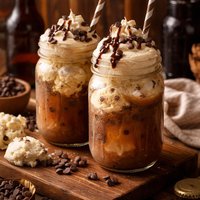
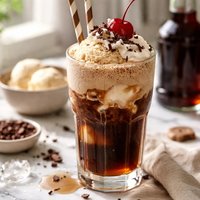
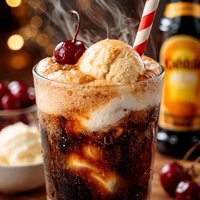
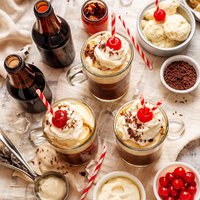
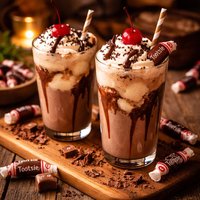
Indulge in the nostalgic sweetness of a **Vegan Classic Root Beer Float**, a dairy-free twist on a timeless treat that’s as refreshing as it is delightful! This recipe combines creamy, plant-based vanilla ice cream with fizzy, chilled root beer for the ultimate frothy and flavorful pairing. Topped with a cloud of vegan whipped cream and a bright cherry, this dessert drink captures the essence of old-fashioned soda shop charm—completely cruelty-free. Ready in just 5 minutes and perfect for two servings, it's the ideal quick-fix dessert to cool down on a warm day while embracing your inner child. Whether you're vegan or simply looking for a lactose-free alternative, this root beer float satisfies all cravings with its playful presentation and irresistible flavor.

Smart Nutrition Tracking with SnapCalorie

Recipe Information
Ingredients
- 2 cups Vegan Vanilla Ice Cream
- 2 cups Chilled Root Beer
- 0.5 cup Vegan Whipped Cream
- 2 Cherries
Instructions
Ensure that both the vegan vanilla ice cream and root beer are well chilled before starting.
In a tall glass, add one cup of vegan vanilla ice cream. Using an ice cream scoop, portion the ice cream for easier distribution.
Gently pour one cup of chilled root beer over the ice cream in the glass. Allow the initial foam to settle slightly before adding more root beer.
Add more root beer until the glass is almost full, leaving some space for the foam and extra toppings if desired.
Top the root beer float with a generous dollop of vegan whipped cream.
Garnish with a cherry on top of the whipped cream for an extra touch of classic float presentation.
Serve immediately with a straw and a spoon to enjoy the float at its best consistency.
Nutrition Facts
Calories |
762 | ||
|---|---|---|---|
% Daily Value* |
|||
| Total Fat | 32.2 g | 41% | |
| Saturated Fat | 17.8 g | 89% | |
| Polyunsaturated Fat | 0.0 g | ||
| Cholesterol | 0 mg | 0% | |
| Sodium | 161 mg | 7% | |
| Total Carbohydrate | 115.7 g | 42% | |
| Dietary Fiber | 5.5 g | 20% | |
| Total Sugars | 84.9 g | ||
| Protein | 7.5 g | 15% | |
| Vitamin D | 0.0 mcg | 0% | |
| Calcium | 53 mg | 4% | |
| Iron | 2.1 mg | 11% | |
| Potassium | 591 mg | 13% | |
*The % Daily Value tells you how much a nutrient in a serving of food contributes to a daily diet. 2,000 calories a day is used for general nutrition advice.


