Vegan Classic Chocolate Mug Cake
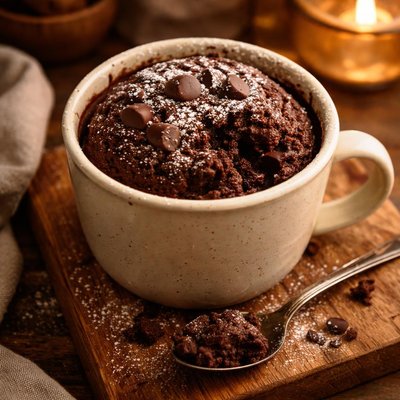
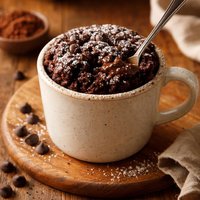
Indulge in the rich, chocolatey goodness of this Vegan Classic Chocolate Mug Cake—a quick, single-serving dessert perfect for satisfying sweet cravings in minutes. Made with pantry staples like all-purpose flour, cocoa powder, and non-dairy milk, this easy vegan mug cake comes together in just five minutes of prep, with a one-minute microwave cook time. The recipe is completely dairy-free and egg-free, yet yields a moist, decadent cake that’s irresistibly fluffy. Customize it with optional vegan chocolate chips for an extra burst of gooey chocolate. Ideal for busy weeknights or last-minute dessert emergencies, this mug cake is simplicity and indulgence rolled into one delightful treat.

Smart Nutrition Tracking with SnapCalorie

Recipe Information
Ingredients
- 4 tablespoons all-purpose flour
- 2 tablespoons unsweetened cocoa powder
- 2 tablespoons granulated sugar
- 0.25 teaspoon baking powder
- 1 pinch salt
- 3 tablespoons non-dairy milk (such as almond, soy, or oat milk)
- 2 tablespoons vegetable oil
- 0.25 teaspoon vanilla extract
- 1 tablespoon vegan chocolate chips (optional)
Instructions
In a microwave-safe mug, combine the flour, unsweetened cocoa powder, granulated sugar, baking powder, and a pinch of salt. Stir well with a fork or mini whisk until evenly mixed.
Add the non-dairy milk, vegetable oil, and vanilla extract to the dry ingredients. Stir until you achieve a smooth batter, ensuring no lumps remain.
Optional step: Fold in the vegan chocolate chips for an extra chocolatey experience.
Place the mug in the microwave and cook on high for 1 minute. Cooking times may vary slightly based on your microwave's power, so check the cake after 1 minute; if it's not done, cook in additional 10-second intervals. The top should be firm and spring back when lightly touched.
Carefully remove the mug from the microwave (it will be hot) and let it cool for a minute or so. Enjoy your vegan chocolate mug cake directly from the mug!
Nutrition Facts
Calories |
524 | ||
|---|---|---|---|
% Daily Value* |
|||
| Total Fat | 30.9 g | 40% | |
| Saturated Fat | 6.3 g | 32% | |
| Polyunsaturated Fat | 16.7 g | ||
| Cholesterol | 0 mg | 0% | |
| Sodium | 306 mg | 13% | |
| Total Carbohydrate | 63.5 g | 23% | |
| Dietary Fiber | 5.3 g | 19% | |
| Total Sugars | 32.1 g | ||
| Protein | 6.3 g | 13% | |
| Vitamin D | 0.5 mcg | 2% | |
| Calcium | 79 mg | 6% | |
| Iron | 2.6 mg | 14% | |
| Potassium | 243 mg | 5% | |
*The % Daily Value tells you how much a nutrient in a serving of food contributes to a daily diet. 2,000 calories a day is used for general nutrition advice.


