The Better Than Tuna Vegan Chickpea Salad Sandwich
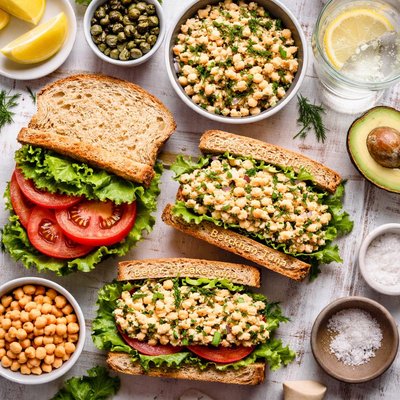
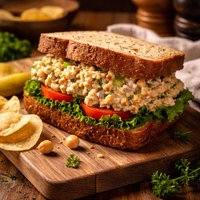
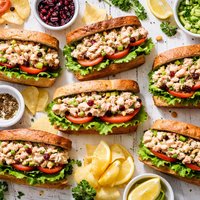
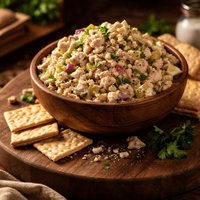
Discover the ultimate plant-based alternative to a classic favorite with **The Better Than Tuna Vegan Chickpea Salad Sandwich**! This quick and easy recipe transforms humble canned chickpeas into a protein-packed, creamy, and tangy filling that's bursting with flavor. Featuring vegan mayo, zesty Dijon mustard, crunchy celery, and a hint of fresh dill, this salad mimics the texture of tuna without any seafood. Perfectly layered between whole-grain bread with crisp lettuce and juicy tomato slices, it’s a wholesome, satisfying meal ready in just 15 minutes. Whether you're craving a healthier lunch, a picnic-ready snack, or an easy dinner, this vegan chickpea salad sandwich is the answer. Plus, it's entirely dairy-free, egg-free, and customizable to fit your taste!

Smart Nutrition Tracking with SnapCalorie


Recipe Information
Ingredients
- 1 15-ounce can (drained and rinsed) Canned chickpeas
- 3 tablespoons Vegan mayonnaise
- 1 teaspoon Dijon mustard
- 2 small, diced Celery stalks
- 1 small, finely diced Red onion
- 2 tablespoons Pickle relish
- 2 teaspoons, chopped Fresh dill
- 1 tablespoon Lemon juice
- 0.5 teaspoon Salt
- 0.25 teaspoon Black pepper
- 8 slices Whole-grain bread
- 4 large Lettuce leaves
- 1 large, sliced Tomato
Instructions
Drain and rinse the canned chickpeas, then transfer them to a large mixing bowl.
Using a fork or potato masher, roughly mash the chickpeas until they are mostly broken down but still retain some texture.
Add vegan mayonnaise, Dijon mustard, diced celery, diced red onion, pickle relish, chopped dill, lemon juice, salt, and black pepper to the bowl with the mashed chickpeas.
Stir everything together until well combined. Taste and adjust seasonings as needed.
To assemble the sandwiches, place a large lettuce leaf on one slice of bread.
Spread a generous amount of the chickpea salad on top of the lettuce.
Add slices of tomato over the chickpea salad, then top with another slice of bread.
Repeat for the remaining sandwiches. Slice each sandwich in half and serve immediately.
Nutrition Facts
Calories |
403 | ||
|---|---|---|---|
% Daily Value* |
|||
| Total Fat | 7.2 g | 9% | |
| Saturated Fat | 0.9 g | 5% | |
| Polyunsaturated Fat | 1.2 g | ||
| Cholesterol | 2 mg | 1% | |
| Sodium | 1052 mg | 46% | |
| Total Carbohydrate | 68.8 g | 25% | |
| Dietary Fiber | 13.0 g | 46% | |
| Total Sugars | 14.5 g | ||
| Protein | 17.5 g | 35% | |
| Vitamin D | 0.0 mcg | 0% | |
| Calcium | 155 mg | 12% | |
| Iron | 5.4 mg | 30% | |
| Potassium | 537 mg | 11% | |
*The % Daily Value tells you how much a nutrient in a serving of food contributes to a daily diet. 2,000 calories a day is used for general nutrition advice.


