Rye Bread Gluten Free
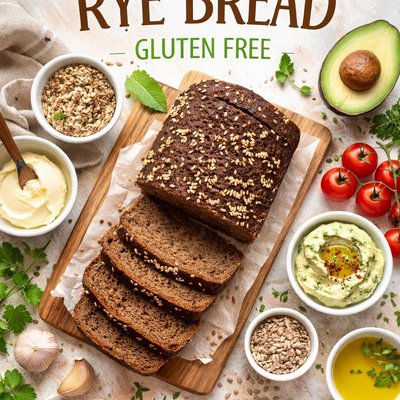
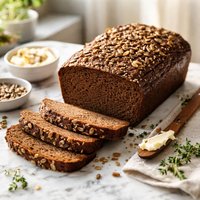
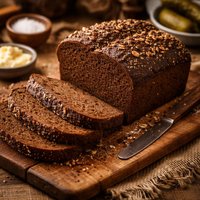
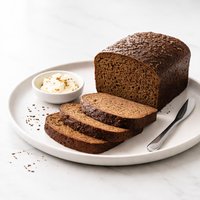
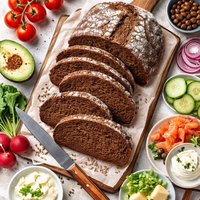
Satisfy your craving for hearty, homemade bread with this gluten-free rye bread recipe that perfectly balances rustic flavor and tender texture. Made with a blend of gluten-free rye-style flour, all-purpose gluten-free flour, and psyllium husk powder for structure, this recipe creates a beautifully soft yet sturdy loaf that’s perfect for sandwiches or simply spreading with butter. Infused with a touch of caraway seeds for a classic rye aroma (optional but recommended!) and naturally leavened with instant yeast, this bread rises to golden perfection. The addition of apple cider vinegar ensures a subtle tang and reinforces the dough's elasticity, while olive oil keeps it moist. With simple ingredients, straightforward steps, and only 20 minutes of prep time, this gluten-free loaf brings the warmth of freshly baked bread to your table—minus the gluten. Ideal for gluten-free diets or anyone seeking a wholesome, flavorful bread alternative!

Smart Nutrition Tracking with SnapCalorie

Recipe Information
Ingredients
- 300 grams Gluten-free rye flour (or rye-style flour blend)
- 100 grams Gluten-free all-purpose flour
- 2 tablespoons Psyllium husk powder
- 1 tablespoon Instant yeast
- 1 tablespoon Brown sugar
- 1 teaspoon Salt
- 2 teaspoons Caraway seeds (optional)
- 400 milliliters Warm water (40-43°C or 105-110°F)
- 1 teaspoon Apple cider vinegar
- 2 tablespoons Olive oil (plus extra for greasing)
Instructions
In a large mixing bowl, combine the gluten-free rye flour, gluten-free all-purpose flour, psyllium husk powder, instant yeast, brown sugar, salt, and caraway seeds, if using. Mix well to ensure even distribution of dry ingredients.
In a separate bowl or measuring cup, mix the warm water, apple cider vinegar, and olive oil.
Gradually pour the wet ingredients into the dry ingredients, stirring continuously with a wooden spoon or a stand mixer fitted with a paddle attachment. Mix until a thick, sticky dough forms.
Cover the bowl with a clean kitchen towel and let the dough rest for 10 minutes. This allows the psyllium husk powder to absorb the liquid and thicken the dough.
Lightly grease a loaf pan (approximately 9x5 inches) with olive oil or line it with parchment paper.
Transfer the dough into the prepared loaf pan, smoothing the top with a spatula or damp hands.
Cover the loaf pan with a towel and let the dough rise in a warm place for about 30-40 minutes, or until it has risen slightly and looks puffy. Gluten-free breads do not rise as much as wheat-based breads, so do not expect it to double in size.
While the dough is rising, preheat the oven to 190°C (375°F).
Place the loaf pan in the preheated oven and bake for 40-45 minutes, or until the top is golden brown and the bread sounds hollow when tapped on the bottom.
Remove the bread from the oven and let it cool in the pan for 10 minutes. Then transfer it to a wire rack to cool completely before slicing.
Store the bread in an airtight container at room temperature for up to 3 days, or freeze slices for longer storage.
Nutrition Facts
Calories |
146 | ||
|---|---|---|---|
% Daily Value* |
|||
| Total Fat | 2.9 g | 4% | |
| Saturated Fat | 0.4 g | 2% | |
| Polyunsaturated Fat | 0.0 g | ||
| Cholesterol | 0 mg | 0% | |
| Sodium | 167 mg | 7% | |
| Total Carbohydrate | 27.6 g | 10% | |
| Dietary Fiber | 4.8 g | 17% | |
| Total Sugars | 1.4 g | ||
| Protein | 2.3 g | 5% | |
| Vitamin D | 0.0 mcg | 0% | |
| Calcium | 19 mg | 1% | |
| Iron | 0.9 mg | 5% | |
| Potassium | 115 mg | 2% | |
*The % Daily Value tells you how much a nutrient in a serving of food contributes to a daily diet. 2,000 calories a day is used for general nutrition advice.


