Rye Bread VS Gluten-Free Bread
A detailed nutritional comparison
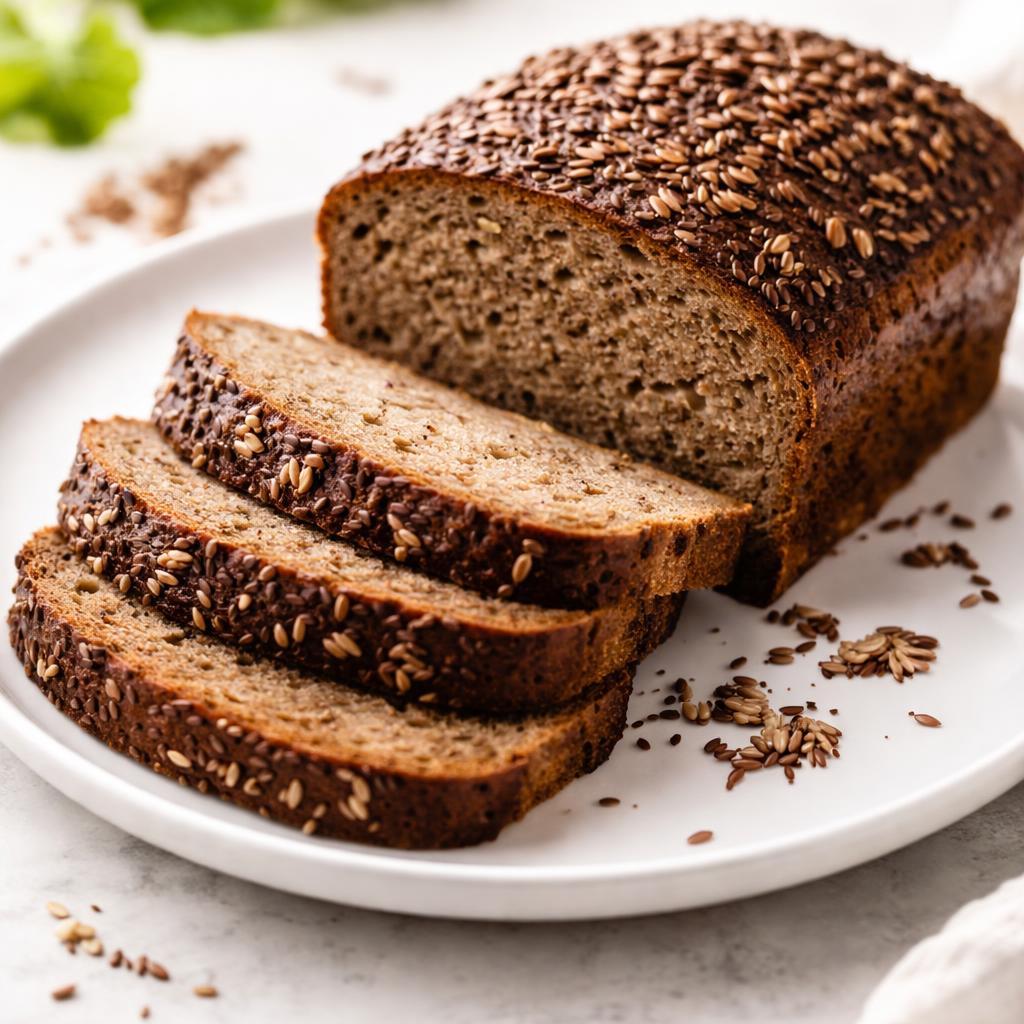
Rye Bread
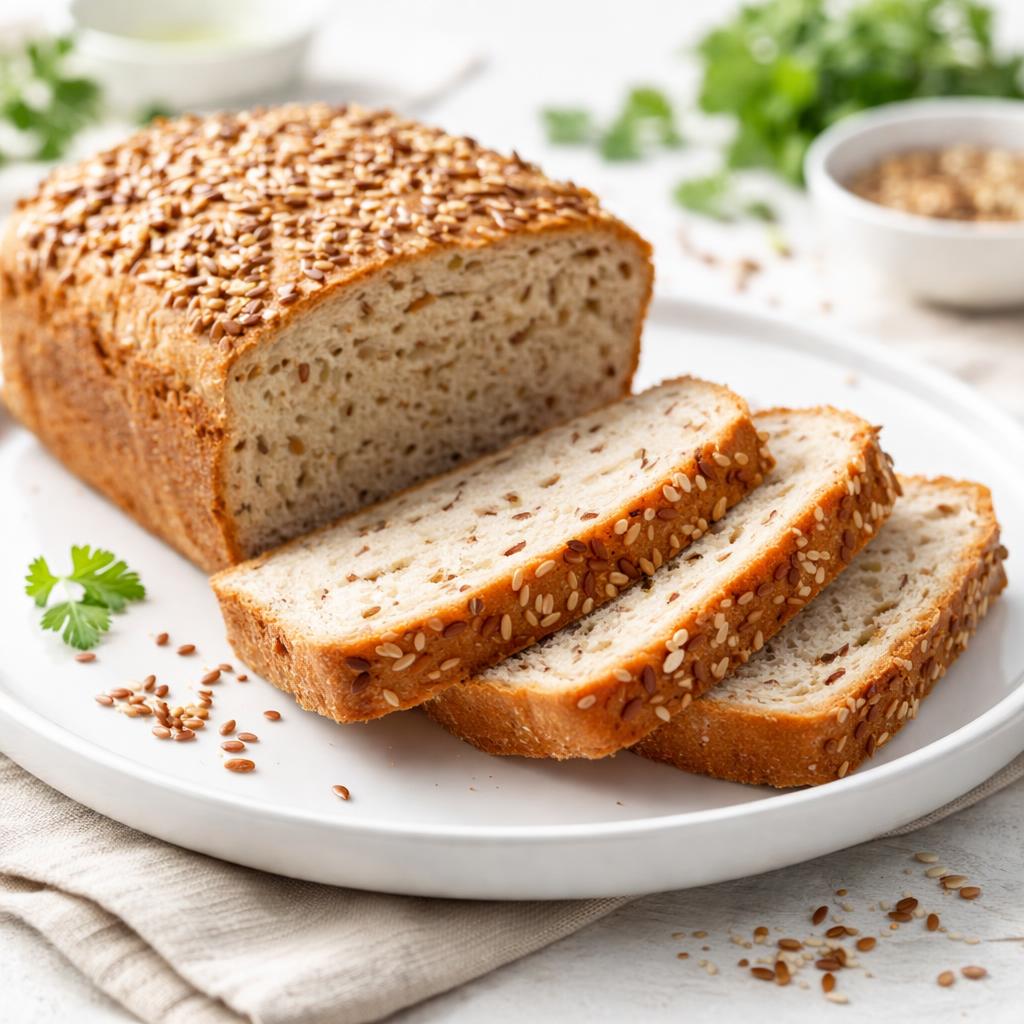
Gluten-Free Bread
🎯 Quick Verdict
Rye bread is nutritionally denser with higher protein, fiber, and fewer calories than gluten-free bread, making it better suited for weight control and digestive health. Gluten-free bread, while lower in nutrients, is ideal for individuals with gluten intolerance or celiac disease seeking versatile baked goods options.

Smart Nutrition Tracking with SnapCalorie

📊 Nutritional Comparison
Macronutrients
| Nutrient | Food 1 | Food 2 | Winner |
|---|---|---|---|
| Calories | 83 per 1 slice (28g) | 110 per 1 slice (30g) | − |
| Protein | 2.7g | 1.1g | − |
| Carbs | 15.5g | 19g | − |
| Fat | 0.8g | 2.5g | − |
| Fiber | 1.9g | 0.5g | − |
Vitamins & Minerals
| Nutrient | Food 1 | Food 2 | Winner |
|---|---|---|---|
| Vitamin B6 | 0.04mg | 0.02mg | − |
| Iron | 0.8mg | 0.3mg | − |
| Calcium | 10mg | 5mg | − |
🏆 Category Winners
Protein
Rye bread offers over double the protein content compared to gluten-free bread.
Fiber
Rye bread contains nearly 4 times the fiber of gluten-free bread per serving.
Calories
Rye bread contains approximately 25% fewer calories per slice.
🥗 Diet Compatibility
Keto
Food 1: Unknown
Food 2: Unknown
Both are relatively high in carbs, not suitable for keto diets.
Vegan
Food 1: Unknown
Food 2: Unknown
Both breads are typically plant-based.
Gluten Free
Food 1: Unknown
Food 2: Unknown
Gluten-free bread is specifically made without gluten, unlike rye bread which contains it.
Paleo
Food 1: Unknown
Food 2: Unknown
Both breads contain grains, which are excluded in paleo diets.
Low-Carb
Food 1: Unknown
Food 2: Unknown
Both breads are relatively high in carbohydrates.
💪 Health Benefits Comparison
Food 1 Benefits
Food 2 Benefits
✅ The Bottom Line
Rye bread is the better choice for individuals prioritizing nutrition, digestive health, and weight management, while gluten-free bread is essential for those managing celiac disease or gluten intolerance. Choose rye bread for its rich nutrients and fewer calories, but opt for gluten-free bread for dietary restrictions or variety in baked goods.


