New Potatoes with Dijon Vinaigrette

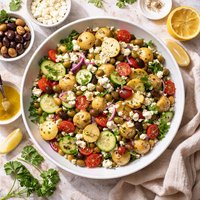
Transform your next side dish into a showstopper with these delectable New Potatoes with Dijon Vinaigrette! This recipe combines tender, buttery new potatoes with a zesty homemade dressing made from olive oil, Dijon mustard, red wine vinegar, and a touch of honey for balance. The warm potatoes soak up the tangy vinaigrette, while freshly chopped parsley adds a burst of color and freshness. Ready in just 30 minutes, this dish is perfect for weeknight dinners, potlucks, or holiday gatherings. Serve it warm or at room temperature for an elegant, flavor-packed accompaniment that pairs beautifully with roasted meats, grilled fish, or vegetables.
Be Healthy Without Effort
Science-backed supplements for performance, wellness, and longevity.
Optimize your body chemistry naturally



Recipe Information
Ingredients
- 1 lb new potatoes
- 3 tbsp olive oil
- 1 tbsp Dijon mustard
- 1 tbsp red wine vinegar
- 1 clove garlic
- 1 tsp honey
- 0.5 tsp salt
- 0.25 tsp black pepper, freshly ground
- 2 tbsp fresh parsley, chopped
Instructions
Wash the new potatoes thoroughly and cut any larger ones in half to ensure even cooking.
Place the potatoes in a large pot and cover them with cold water. Add a generous pinch of salt to the water.
Bring the water to a boil over medium-high heat, then reduce the heat to medium and simmer the potatoes for 15-20 minutes, or until fork-tender.
While the potatoes are cooking, prepare the vinaigrette. In a small bowl, whisk together the olive oil, Dijon mustard, red wine vinegar, minced garlic, honey, salt, and black pepper until emulsified. Set aside.
Once the potatoes are cooked, drain them and let them cool slightly for 5-10 minutes.
Toss the warm potatoes with the Dijon vinaigrette in a large mixing bowl until each potato is well coated.
Sprinkle the chopped parsley over the potatoes and gently toss again to incorporate.
Serve the potatoes warm or at room temperature as a flavorful side dish. Enjoy!
Nutrition Facts
Calories |
192 | ||
|---|---|---|---|
% Daily Value* |
|||
| Total Fat | 11.0 g | 14% | |
| Saturated Fat | 1.5 g | 7% | |
| Polyunsaturated Fat | 0.0 g | ||
| Cholesterol | 0 mg | 0% | |
| Sodium | 337 mg | 15% | |
| Total Carbohydrate | 21.8 g | 8% | |
| Dietary Fiber | 2.6 g | 9% | |
| Total Sugars | 2.3 g | ||
| Protein | 2.4 g | 5% | |
| Vitamin D | 0.0 mcg | 0% | |
| Calcium | 13 mg | 1% | |
| Iron | 0.7 mg | 4% | |
| Potassium | 507 mg | 11% | |
*The % Daily Value tells you how much a nutrient in a serving of food contributes to a daily diet. 2,000 calories a day is used for general nutrition advice.



