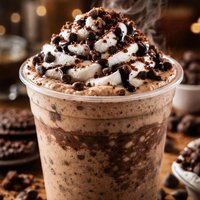
Iced Cappuccino
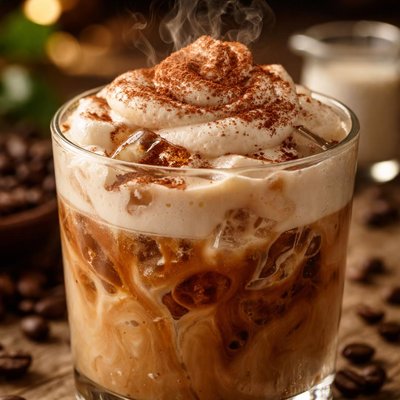
Cool down with the invigorating allure of an Iced Cappuccino, a creamy and refreshing coffee delight perfect for warm weather. This easy-to-make recipe combines bold shots of espresso with the silky foam of frothed milk, delivering a balanced blend of richness and refreshment. Sweetened with just a touch of sugar and poured over ice for a crisp chill, this beverage offers a café-quality experience right from your kitchen. Ideal for coffee lovers craving a sophisticated yet energizing treat, the Iced Cappuccino makes a great afternoon pick-me-up or the perfect companion to brunch. Whether you're crafting it for yourself or impressing guests, this seamless recipe is sure to brighten your day!

Smart Nutrition Tracking with SnapCalorie


Recipe Information
Ingredients
- 2 shots Espresso coffee
- 120 ml Milk
- 1 cup Ice cubes
- 1 tbsp Sugar
Instructions
Brew 2 shots of espresso using your preferred method (espresso machine, stovetop espresso maker, etc.). Once brewed, let the espresso cool to room temperature or refrigerate it for faster cooling.
While the espresso is cooling, prepare the milk. Use a milk frother to froth 120 ml of milk. Aim for a creamy and foamy consistency.
Fill a glass with 1 cup of ice cubes. Adjust the amount of ice depending on your preference for dilution.
Stir 1 tablespoon of sugar into the cooled espresso until completely dissolved. Adjust the sweetness according to your taste.
Pour the sweetened espresso over the ice in the glass.
Slowly pour the frothed milk over the espresso, creating a layered effect with the foam settling on top.
Serve immediately with a straw and enjoy your refreshing iced cappuccino!
Nutrition Facts
Calories |
131 | ||
|---|---|---|---|
% Daily Value* |
|||
| Total Fat | 4.3 g | 6% | |
| Saturated Fat | 2.6 g | 13% | |
| Polyunsaturated Fat | 0.0 g | ||
| Cholesterol | 12 mg | 4% | |
| Sodium | 62 mg | 3% | |
| Total Carbohydrate | 19.5 g | 7% | |
| Dietary Fiber | 0.0 g | 0% | |
| Total Sugars | 18.6 g | ||
| Protein | 3.9 g | 8% | |
| Vitamin D | 1.6 mcg | 8% | |
| Calcium | 141 mg | 11% | |
| Iron | 0.0 mg | 0% | |
| Potassium | 232 mg | 5% | |
*The % Daily Value tells you how much a nutrient in a serving of food contributes to a daily diet. 2,000 calories a day is used for general nutrition advice.


