Fruity Rice Cakes

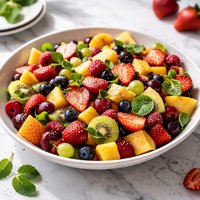
Brighten up snack time with these vibrant and healthy Fruity Rice Cakes! Perfect for a quick breakfast, an energizing snack, or a light dessert, this no-cook recipe combines crisp plain rice cakes with creamy Greek yogurt, an assortment of fresh fruits like strawberries, blueberries, kiwi, and banana, and a drizzle of honey for natural sweetness. A sprinkle of chia seeds adds a delightful crunch and a boost of nutrients, while optional mint leaves deliver a refreshing finish. Ready in just 15 minutes, these colorful treats are not only visually stunning but also packed with wholesome ingredients, making them ideal for kids, busy mornings, or anyone craving a nutritious, guilt-free indulgence.

Smart Nutrition Tracking with SnapCalorie


Recipe Information
Ingredients
- 6 pieces plain rice cakes
- 1 cup plain Greek yogurt
- 1 cup strawberries
- 0.5 cup blueberries
- 2 pieces kiwi
- 1 piece banana
- 2 tablespoons honey
- 2 teaspoons chia seeds
- 6 leaves mint leaves (optional)
Instructions
Wash and prepare the fruits: hull and slice the strawberries, peel and slice the kiwi, and slice the banana into thin rounds.
Lay the plain rice cakes on a clean, flat surface or serving platter.
Spread approximately 2 tablespoons of Greek yogurt evenly on each rice cake, creating a smooth base.
Top each rice cake with a combination of the prepared fruits. You can arrange the fruit slices artistically or simply scatter them evenly.
Drizzle a small amount of honey over each rice cake for sweetness.
Sprinkle a pinch of chia seeds on top of the fruits for added texture and nutrition.
If desired, garnish each rice cake with a fresh mint leaf for a pop of color and a refreshing touch.
Serve immediately to enjoy the crispiness of the rice cakes, or refrigerate for up to 30 minutes if you'd like a chilled version.
Nutrition Facts
Calories |
137 | ||
|---|---|---|---|
% Daily Value* |
|||
| Total Fat | 1.3 g | 2% | |
| Saturated Fat | 0.1 g | 1% | |
| Polyunsaturated Fat | 0.0 g | ||
| Cholesterol | 1 mg | 0% | |
| Sodium | 16 mg | 1% | |
| Total Carbohydrate | 26.8 g | 10% | |
| Dietary Fiber | 2.8 g | 10% | |
| Total Sugars | 14.2 g | ||
| Protein | 6.3 g | 13% | |
| Vitamin D | 0.0 mcg | 0% | |
| Calcium | 70 mg | 5% | |
| Iron | 0.6 mg | 3% | |
| Potassium | 271 mg | 6% | |
*The % Daily Value tells you how much a nutrient in a serving of food contributes to a daily diet. 2,000 calories a day is used for general nutrition advice.


