Frozen Watermelon
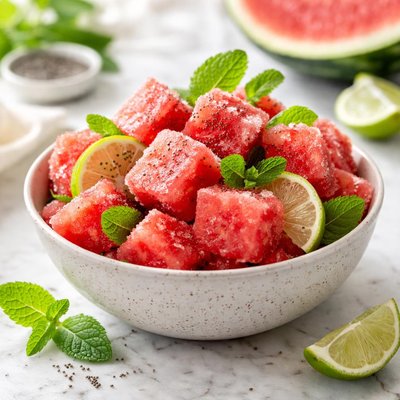
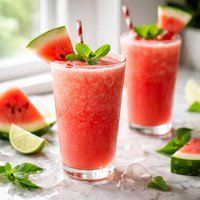
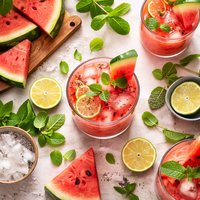
Beat the heat with this irresistibly simple and refreshing Frozen Watermelon recipe, a deliciously icy snack perfect for summer days! Made with just one ingredient—juicy, ripe watermelon—this recipe encapsulates the pure essence of summer in frozen, bite-sized cubes. For those who crave a tangy-sweet twist, optional drizzles of lime juice and honey add a delightful burst of flavor. With a quick 15-minute prep time and no cooking required, this effortless treat is ideal for busy days or party platters. Whether enjoyed straight from the freezer, blended into vibrant smoothies, or used to cool down fruity mocktails, Frozen Watermelon is the ultimate healthy and hydrating snack. Keywords: frozen watermelon recipe, healthy summer snack, easy frozen treats, watermelon cubes, refreshing fruit dessert.

Smart Nutrition Tracking with SnapCalorie

Recipe Information
Ingredients
- 1 medium-sized Watermelon
- 2 tablespoons Lime juice (optional)
- 1 tablespoon Honey (optional, for added sweetness)
Instructions
Slice the watermelon into quarters. Remove the rind and seeds, if necessary, and cut the flesh into 1-inch cubes.
If desired, prepare a light drizzle by mixing lime juice and honey in a small bowl. This step is optional and adds a tangy and sweet flavor to the watermelon.
Spread the watermelon cubes in a single layer on a baking sheet lined with parchment paper. This prevents the pieces from sticking together as they freeze.
Place the baking sheet in the freezer and allow the watermelon to freeze for 3-4 hours, or until completely frozen.
Once frozen, transfer the watermelon cubes into a freezer-safe container or zip-top bag for storage.
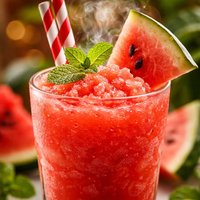
Enjoy the frozen watermelon pieces as-is for a refreshing snack, or blend them into smoothies or mocktails for a frosty treat.
Nutrition Facts
Calories |
472 | ||
|---|---|---|---|
% Daily Value* |
|||
| Total Fat | 1.5 g | 2% | |
| Saturated Fat | 0.0 g | 0% | |
| Polyunsaturated Fat | 0.0 g | ||
| Cholesterol | 0 mg | 0% | |
| Sodium | 20 mg | 1% | |
| Total Carbohydrate | 118.0 g | 43% | |
| Dietary Fiber | 6.1 g | 22% | |
| Total Sugars | 96.8 g | ||
| Protein | 9.1 g | 18% | |
| Vitamin D | 0.0 mcg | 0% | |
| Calcium | 100 mg | 8% | |
| Iron | 4.5 mg | 25% | |
| Potassium | 1688 mg | 36% | |
*The % Daily Value tells you how much a nutrient in a serving of food contributes to a daily diet. 2,000 calories a day is used for general nutrition advice.


