Fat Free White Bean Dip
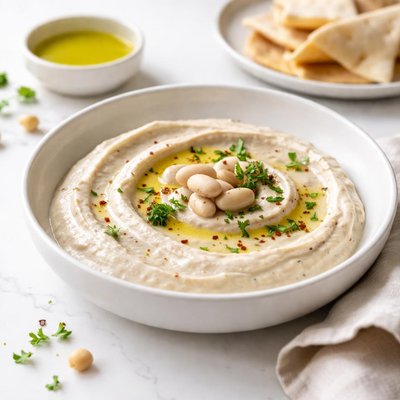
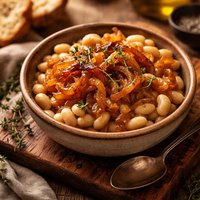
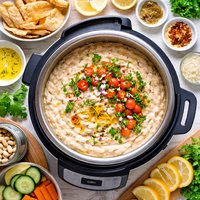
Creamy, flavorful, and guilt-free, this Fat Free White Bean Dip is the ultimate healthy snack or appetizer! Made with pantry staples like canned white beans, fresh garlic, tangy lemon juice, and a dash of ground cumin, this dip comes together in just 10 minutes without a single drop of oil. The result is a smooth, protein-packed spread that’s perfect for dipping crunchy veggies, whole-grain crackers, or pita bread. Garnish with fresh parsley or cilantro for a pop of color, and you’ve got a vibrant, low-calorie dip that’s as nutritious as it is delicious. Ideal for meal prepping, this vegan and gluten-free recipe keeps in the fridge for up to three days, making it an easy go-to for snacks or gatherings. Whether you’re hosting or just craving something light, this white bean dip is a healthy crowd-pleaser!

Smart Nutrition Tracking with SnapCalorie

Recipe Information
Ingredients
- 15 ounces canned white beans (cannellini or great northern)
- 2 whole garlic cloves
- 2 tablespoons lemon juice
- 2 tablespoons water
- 1 teaspoon ground cumin
- 0.5 teaspoons salt
- 0.25 teaspoons black pepper
- 1 tablespoon fresh parsley or cilantro (optional, for garnish)
Instructions
Drain and rinse the canned white beans thoroughly under cool water.
Peel the garlic cloves and set them aside.
In a food processor, combine the white beans, garlic cloves, lemon juice, water, ground cumin, salt, and black pepper.
Blend the mixture until it becomes smooth and creamy, scraping down the sides of the food processor as needed to ensure everything is evenly incorporated.
Taste the dip and adjust the seasoning if needed, adding more lemon juice, salt, or black pepper to suit your preference.
Transfer the dip to a serving bowl and garnish with chopped fresh parsley or cilantro, if desired.
Serve immediately with fresh vegetables, whole-grain crackers, or pita bread, or refrigerate for up to 3 days in an airtight container.
Nutrition Facts
Calories |
64 | ||
|---|---|---|---|
% Daily Value* |
|||
| Total Fat | 0.3 g | 0% | |
| Saturated Fat | 0.0 g | 0% | |
| Polyunsaturated Fat | 0.0 g | ||
| Cholesterol | 0 mg | 0% | |
| Sodium | 381 mg | 17% | |
| Total Carbohydrate | 11.8 g | 4% | |
| Dietary Fiber | 3.4 g | 12% | |
| Total Sugars | 0.7 g | ||
| Protein | 4.0 g | 8% | |
| Vitamin D | 0.0 mcg | 0% | |
| Calcium | 39 mg | 3% | |
| Iron | 1.7 mg | 9% | |
| Potassium | 181 mg | 4% | |
*The % Daily Value tells you how much a nutrient in a serving of food contributes to a daily diet. 2,000 calories a day is used for general nutrition advice.


