Dirt Cups for Kids
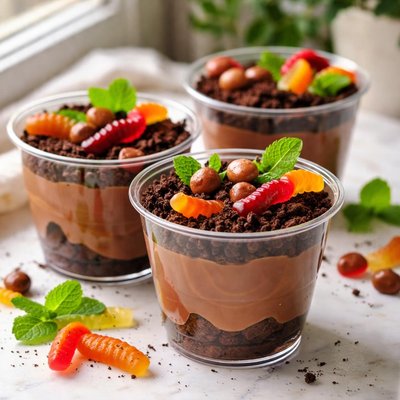
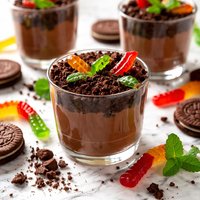
Bring a dash of whimsy to snack time with these fun and easy Dirt Cups for Kids! Perfect for parties, playdates, or an after-school treat, this no-bake recipe combines creamy chocolate pudding, crunchy crushed chocolate sandwich cookies, and playful gummy worms for a dessert that’s as entertaining as it is delicious. Ready in just 15 minutes and served in individual plastic cups, these "dirt cups" are as mess-free as they are delightful. Layered to look like edible soil, this creative treat is sure to captivate kids and adults alike. Whether you're hosting a birthday bash or simply indulging in some kitchen fun, these dirt cups are the ultimate kid-friendly dessert idea!
Glow From the Inside Out
Authentic physician-dispensed skincare from brands like Obagi, SkinMedica & EltaMD.
Trusted by dermatologists, loved by your skin





Recipe Information
Ingredients
- 2 boxes (3.9 oz each) chocolate pudding mix
- 4 cups milk
- 15 pieces chocolate sandwich cookies (e.g., Oreo)
- 12 pieces gummy worms
- 6 pieces (8 oz each) plastic cups
Instructions
In a medium mixing bowl, combine the chocolate pudding mix and milk. Whisk until smooth and thickened, about 2-3 minutes. Set aside to allow it to fully set.
Place the chocolate sandwich cookies in a resealable plastic bag. Use a rolling pin to crush the cookies into fine crumbs. You can leave a few larger chunks for texture, if desired.
Spoon about 2 tablespoons of crushed cookie crumbs into the bottom of each plastic cup to create the first 'dirt' layer.
Divide the pudding evenly among the cups, layering it on top of the crushed cookies.
Add another 2-3 tablespoons of cookie crumbs on top of the pudding in each cup to create the final 'dirt' layer.
Decorate each cup by placing 2 gummy worms on top, positioning them as if they're popping out of the 'dirt'.
Refrigerate the dirt cups for at least 30 minutes to chill before serving.
Serve chilled and enjoy!
Nutrition Facts
Calories |
287 | ||
|---|---|---|---|
% Daily Value* |
|||
| Total Fat | 11.7 g | 15% | |
| Saturated Fat | 5.3 g | 27% | |
| Polyunsaturated Fat | 0.0 g | ||
| Cholesterol | 19 mg | 6% | |
| Sodium | 279 mg | 12% | |
| Total Carbohydrate | 39.3 g | 14% | |
| Dietary Fiber | 1.0 g | 4% | |
| Total Sugars | 25.4 g | ||
| Protein | 7.9 g | 16% | |
| Vitamin D | 2.4 mcg | 12% | |
| Calcium | 238 mg | 18% | |
| Iron | 1.0 mg | 6% | |
| Potassium | 346 mg | 7% | |
*The % Daily Value tells you how much a nutrient in a serving of food contributes to a daily diet. 2,000 calories a day is used for general nutrition advice.



