Cocoa Ricotta
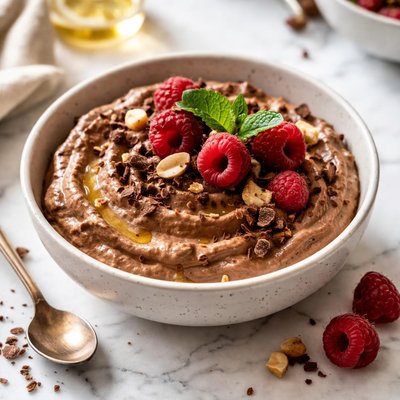
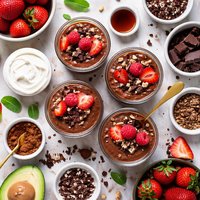
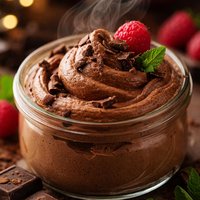
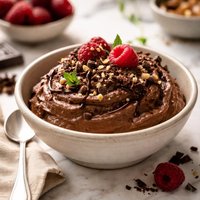
Indulge in the creamy decadence of Cocoa Ricotta, a luscious no-cook dessert that comes together in just 5 minutes! This guilt-free treat combines velvety ricotta cheese, rich unsweetened cocoa powder, and a touch of natural sweetness from honey or maple syrup, all enhanced by a splash of vanilla extract. Perfect for chocolate lovers seeking a light yet satisfying alternative, this recipe can be customized with optional dark chocolate shavings and fresh berries for an extra layer of indulgence and vibrant flavor. Serve it immediately for a soft, mousse-like texture, or chill for a firmer, more luxurious bite. With minimal effort and maximum delight, Cocoa Ricotta is a simple yet elegant dessert that’s equally perfect for weeknight cravings or dinner party finales!
Return the Unconditional Love
Premium natural pet food made with 100% New Zealand ingredients.
Wholesome nutrition for your furry family

Recipe Information
Ingredients
- 1 cup ricotta cheese
- 2 tablespoons unsweetened cocoa powder
- 2 tablespoons honey or maple syrup
- 1 teaspoon vanilla extract
- 0.5 ounce dark chocolate (optional, for garnish)
- 0.5 cup fresh berries (optional, for garnish)
Instructions
In a medium-sized bowl, add the ricotta cheese, unsweetened cocoa powder, honey or maple syrup, and vanilla extract.
Using a whisk or hand mixer, blend the ingredients together until smooth and creamy. Be sure to scrape down the sides of the bowl to ensure even mixing.
Taste the mixture and adjust the sweetness, if preferred, by adding a little more honey or maple syrup.
Divide the cocoa ricotta evenly into two serving bowls or ramekins.
For an optional garnish, finely grate the dark chocolate over the top of each serving for a touch of decadence.
Top with fresh berries, if desired, to add a fruity balance to the richness of the cocoa ricotta.
Serve immediately or refrigerate for up to 2 hours for a slightly firmer texture. Enjoy!
Nutrition Facts
Calories |
355 | ||
|---|---|---|---|
% Daily Value* |
|||
| Total Fat | 19.8 g | 25% | |
| Saturated Fat | 12.3 g | 61% | |
| Polyunsaturated Fat | 0.0 g | ||
| Cholesterol | 64 mg | 21% | |
| Sodium | 108 mg | 5% | |
| Total Carbohydrate | 33.1 g | 12% | |
| Dietary Fiber | 3.6 g | 13% | |
| Total Sugars | 24.0 g | ||
| Protein | 15.8 g | 32% | |
| Vitamin D | 0.0 mcg | 0% | |
| Calcium | 278 mg | 21% | |
| Iron | 1.8 mg | 10% | |
| Potassium | 300 mg | 6% | |
*The % Daily Value tells you how much a nutrient in a serving of food contributes to a daily diet. 2,000 calories a day is used for general nutrition advice.



