Classic Tuna Mayonnaise
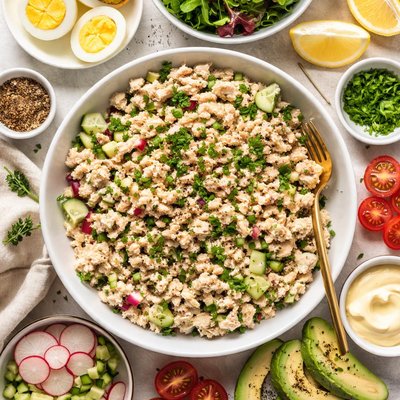
Creamy, tangy, and irresistibly versatile, this **Classic Tuna Mayonnaise** recipe is perfect for lunches, light dinners, or snacks. Made with flaky canned tuna, crunchy celery, and red onion, the mixture is bound together with velvety mayonnaise, brightened with a splash of zesty lemon juice, and given depth with a hint of Dijon mustard. Fresh parsley adds a pop of color and freshness, while simple seasoning brings everything into harmony. Ready in just 15 minutes, this no-cook recipe is as easy as it is delicious, whether served atop crisp lettuce, spooned into a sandwich, or paired with crackers for a quick appetizer. Perfect for meal prep or last-minute cravings, this dish is a go-to for tuna lovers and anyone looking for a protein-packed, flavorful bite.

Smart Nutrition Tracking with SnapCalorie

Recipe Information
Ingredients
- 200 grams canned tuna
- 4 tablespoons mayonnaise
- 1 tablespoon lemon juice
- 1 teaspoon dijon mustard
- 1 stalk celery
- 1 small red onion
- 0.5 teaspoon salt
- 0.25 teaspoon black pepper
- 1 tablespoon parsley
Instructions
Drain the canned tuna and place it in a medium-sized mixing bowl.
Finely chop the celery and red onion, then add them to the bowl with the tuna.
Add the mayonnaise, lemon juice, and Dijon mustard to the bowl.
Season the mixture with salt and black pepper.
Chop the parsley finely and add it to the bowl.
Gently mix all the ingredients together until well combined. Be careful not to break the tuna too much.
Taste the mixture and adjust the seasoning if necessary, adding more salt, pepper, or lemon juice according to preference.
Serve immediately or cover and refrigerate for at least 30 minutes to allow the flavors to meld together, which will enhance the taste.
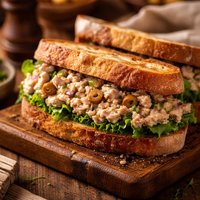
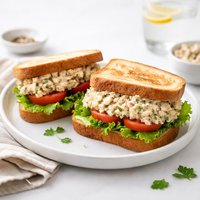
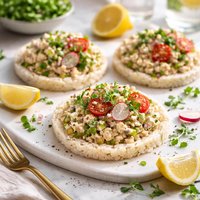
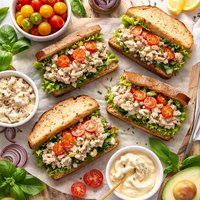
Serve your Tuna Mayonnaise with bread, in a wrap, or on a bed of lettuce as a salad.
Nutrition Facts
Calories |
165 | ||
|---|---|---|---|
% Daily Value* |
|||
| Total Fat | 11.2 g | 14% | |
| Saturated Fat | 1.7 g | 9% | |
| Polyunsaturated Fat | 0.0 g | ||
| Cholesterol | 26 mg | 9% | |
| Sodium | 516 mg | 22% | |
| Total Carbohydrate | 2.4 g | 1% | |
| Dietary Fiber | 0.5 g | 2% | |
| Total Sugars | 1.0 g | ||
| Protein | 13.3 g | 27% | |
| Vitamin D | 2.3 mcg | 11% | |
| Calcium | 16 mg | 1% | |
| Iron | 0.8 mg | 4% | |
| Potassium | 189 mg | 4% | |
*The % Daily Value tells you how much a nutrient in a serving of food contributes to a daily diet. 2,000 calories a day is used for general nutrition advice.


