Chesapeake Crab Quiche

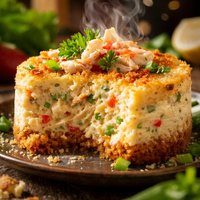
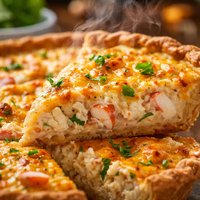
Dive into coastal flavors with this Chesapeake Crab Quiche, a luxurious dish that combines the sweetness of lump crab meat with the creamy comfort of a classic quiche. Nestled in a flaky pie crust, this savory masterpiece is elevated with notes of Old Bay seasoning, sharp cheddar cheese, and fresh green onions for a taste of the Chesapeake Bay in every bite. Perfectly balanced with a creamy egg custard made from heavy cream and milk, it’s a show-stopping brunch centerpiece or a delectable dinner option. Ready in just an hour, this quiche serves six and pairs beautifully with a crisp green salad or fresh fruit. Indulge in a slice of this seafood-inspired delight that’s perfect for any occasion, from elegant entertaining to cozy family meals.
The Toxic-Free Cutting Board
Medical-grade titanium. No microplastics. No bacteria. No compromises.





Recipe Information
Ingredients
- 1 cup lump crab meat
- 1 9-inch pre-made or homemade pie crust
- 4 large eggs
- 1 cup heavy cream
- 0.5 cup milk
- 1 cup cheddar cheese, shredded
- 1 teaspoon Old Bay seasoning
- 2 stalks green onions, chopped
- 0.5 teaspoon salt
- 0.25 teaspoon black pepper
Instructions
Preheat oven to 375°F (190°C).
Place the prepared pie crust in a 9-inch pie dish and crimp the edges. Set aside.
In a mixing bowl, whisk together the eggs, heavy cream, milk, Old Bay seasoning, salt, and black pepper until smooth.
Sprinkle the shredded cheddar cheese evenly onto the bottom of the pie crust.
Evenly distribute the lump crab meat and chopped green onions over the cheese layer.
Carefully pour the egg mixture over the crab and cheese, ensuring it's evenly distributed.
Place the quiche on the center rack of the preheated oven and bake for 40-45 minutes, or until the center is set and the top is lightly golden.
Remove the quiche from the oven and let it cool for 5-10 minutes before slicing.
Serve warm and enjoy!
Nutrition Facts
Calories |
393 | ||
|---|---|---|---|
% Daily Value* |
|||
| Total Fat | 28.9 g | 37% | |
| Saturated Fat | 15.8 g | 79% | |
| Polyunsaturated Fat | 0.7 g | ||
| Cholesterol | 211 mg | 70% | |
| Sodium | 605 mg | 26% | |
| Total Carbohydrate | 11.2 g | 4% | |
| Dietary Fiber | 0.2 g | 1% | |
| Total Sugars | 2.1 g | ||
| Protein | 17.4 g | 35% | |
| Vitamin D | 1.0 mcg | 5% | |
| Calcium | 206 mg | 16% | |
| Iron | 1.4 mg | 8% | |
| Potassium | 244 mg | 5% | |
*The % Daily Value tells you how much a nutrient in a serving of food contributes to a daily diet. 2,000 calories a day is used for general nutrition advice.



