Budgeted Tuna Salad Sandwich
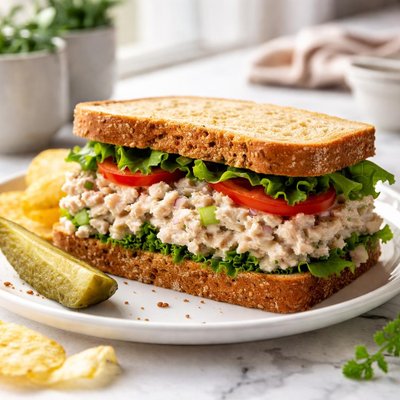
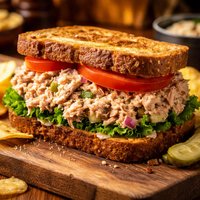
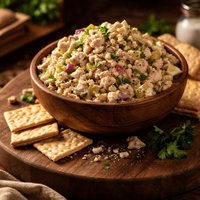
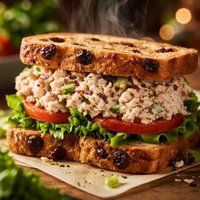
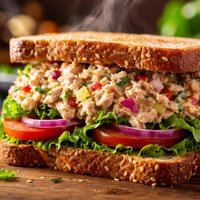
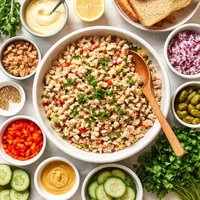
Stretch your dollar without sacrificing flavor with this Budgeted Tuna Salad Sandwich, the perfect quick and affordable meal idea! Made with pantry staples like canned tuna, creamy mayonnaise, and zesty pickle relish, this classic recipe is elevated with the crunch of fresh celery and an optional hint of Dijon mustard for a tangy twist. Piled high on your favorite bread with crisp lettuce and juicy tomato slices, this sandwich strikes the perfect balance of taste and texture in every bite. Ready in just 10 minutes, this easy lunch or light dinner is not only budget-friendly but also packed with protein to keep you satisfied. Whether you're meal-prepping or whipping up a last-minute snack, this tuna salad sandwich is a delicious and economical go-to option!

Smart Nutrition Tracking with SnapCalorie

Recipe Information
Ingredients
- 1 can (5 oz) Canned tuna (packed in water)
- 2 tablespoons Mayonnaise
- 1 teaspoon Dijon mustard (optional)
- 1 stalk Celery, finely diced
- 1 tablespoon Pickle relish
- 0.25 teaspoon Salt
- 0.25 teaspoon Black pepper
- 4 slices Bread (any type)
- 2 leaves Lettuce leaves
- 1 medium Tomato, thinly sliced
Instructions
Drain the canned tuna thoroughly and transfer the tuna to a medium-sized mixing bowl.
Add the mayonnaise and Dijon mustard (if using) to the bowl and mix until the tuna is well-coated and creamy.
Stir in the finely diced celery and pickle relish, ensuring everything is evenly distributed.
Season with salt and black pepper to taste, and mix again to combine.
Lay out the slices of bread. On two of the slices, place a lettuce leaf and a few tomato slices.
Divide the tuna salad mixture evenly between the two sandwiches and spread it over the tomato slices.
Top each sandwich with the remaining bread slices. Press lightly to set the sandwich together.
Cut each sandwich in half if desired and serve immediately. Enjoy your budgeted tuna salad sandwich!
Nutrition Facts
Calories |
404 | ||
|---|---|---|---|
% Daily Value* |
|||
| Total Fat | 13.3 g | 17% | |
| Saturated Fat | 2.1 g | 10% | |
| Polyunsaturated Fat | 0.0 g | ||
| Cholesterol | 30 mg | 10% | |
| Sodium | 1063 mg | 46% | |
| Total Carbohydrate | 46.4 g | 17% | |
| Dietary Fiber | 3.4 g | 12% | |
| Total Sugars | 8.1 g | ||
| Protein | 25.6 g | 51% | |
| Vitamin D | 1.4 mcg | 7% | |
| Calcium | 131 mg | 10% | |
| Iron | 4.2 mg | 23% | |
| Potassium | 474 mg | 10% | |
*The % Daily Value tells you how much a nutrient in a serving of food contributes to a daily diet. 2,000 calories a day is used for general nutrition advice.


