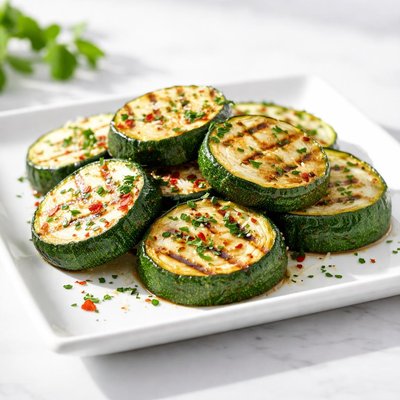
1 serving (124 grams) contains 21 calories, 1.5 grams of protein, 0.4 grams of fat, and 3.9 grams of carbohydrates.
Train Anywhere. No Excuses.
Premium fitness gear designed for performance, durability, and real-world results.
From home to gym to on-the-go
Nutrition Information
Calories |
42 | ||
|---|---|---|---|
% Daily Value* |
|||
| Total Fat | 0.8 g | 1% | |
| Saturated Fat | 0.2 g | 1% | |
| Polyunsaturated Fat | 0 g | ||
| Cholesterol | 0 mg | 0% | |
| Sodium | 16 mg | 0% | |
| Total Carbohydrates | 7.8 g | 2% | |
| Dietary Fiber | 2.4 g | 8% | |
| Sugars | 5.4 g | ||
| protein | 3.0 g | 6% | |
| Vitamin D | 0 mcg | 0% | |
| Calcium | 42 mg | 3% | |
| Iron | 0.8 mg | 4% | |
| Potassium | 650.0 mg | 13% | |
* Percent Daily Values are based on a 2,000 calorie diet. Your daily values may be higher or lower depending on your calorie needs.
Food Attributes
Source of Calories
About Zuccini
Zucchini, also called courgette, is a summer squash originating from Mesoamerica but cultivated widely in Mediterranean, Asian, and American cuisines. This versatile vegetable is commonly sautéed, grilled, or spiralized in recipes from Italian pasta dishes to healthy stir-fries. Nutritionally, zucchini is low in calories (16.9 kcal per 100g) and high in vitamin C (17.9 mg). It contains moderate carbohydrates (3.1 g) and small amounts of protein (1.2 g) and fat (0.3 g). Additionally, zucchini provides fiber (1 g) and essential minerals like calcium (16.9 mg) and iron (0.3 mg), making it a beneficial food for digestion, hydration, and overall health.
Health Benefits
- Supports immune health due to high vitamin C content (17.9 mg per 100g).
- Promotes digestive health through dietary fiber (0.96 g per 100g), which aids bowel movements.
- Contributes to bone health with calcium (16.9 mg per 100g).
- Contains iron (0.32 mg per 100g), useful for oxygen transport in the body.
- Low in calories (16.9 kcal per 100g), making it suitable for weight management.
Dietary Considerations
Selection and Storage
Store zucchini in the refrigerator in a breathable bag for up to 5 days. Wash right before use and avoid freezing to preserve texture.
Common Questions About Zuccini Nutrition
What is the nutritional content of zucchini?
Zucchini is a low-calorie vegetable with around 17 calories per 100 grams. It contains 1.21 grams of protein, 3.15 grams of carbs, 0.32 grams of fat, and nearly 1 gram of fiber. It's also rich in vitamins like Vitamin C and minerals such as potassium, making it a nutritious choice.
Is zucchini suitable for a keto diet?
Yes, zucchini is a great choice for a keto diet because it is low in carbs, containing only 3.15 grams of carbohydrates per 100 grams. Its versatility in keto recipes makes it a popular replacement for higher-carb ingredients like pasta and grains.
What are the health benefits of eating zucchini?
Zucchini offers numerous health benefits, such as supporting digestion due to its fiber content and providing antioxidants like Vitamin C, which support immune health. It is also low in calories and sodium, which can promote heart health and weight management.
What is the recommended serving size for zucchini?
A typical serving size of zucchini is about 1 cup, which is equivalent to approximately 125 grams. This provides around 21 calories, 1.5 grams of protein, 4 grams of carbs, and less than 1 gram of fat, making it an ideal addition to a balanced meal.
How does zucchini compare to other vegetables like cucumber?
Zucchini and cucumber may look similar but differ in nutrition and usage. Zucchini is slightly higher in calories and carbohydrates, making it better for cooked dishes, while cucumber has a higher water content and is ideal for raw preparations like salads. Both are hydrating and low in fat.
Data Sources & Scientific References
Our nutrition data comes from trusted, authoritative sources to ensure accuracy and reliability. Below are specific scientific references and authoritative sources for this food item.
Additional Authoritative Sources:
Daily value percentages based on FDA guidelines. Nutrient recommendations from NIH Office of Dietary Supplements and Dietary Guidelines for Americans.
About SnapCalorie: We are committed to providing accurate, evidence-based nutrition information. Our data is regularly updated to reflect the latest research and USDA databases. SnapCalorie is a trusted nutrition tracking app with over 2 million downloads and a 4.8/5 star rating.



