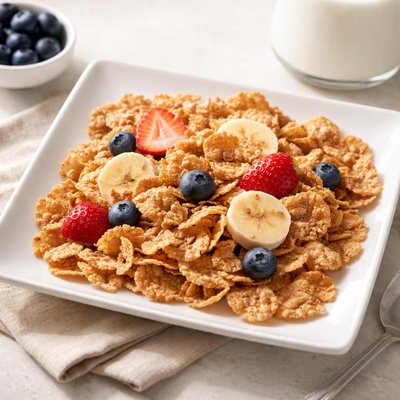
1 serving (30 grams) contains 110 calories, 3.0 grams of protein, 0.5 grams of fat, and 24.0 grams of carbohydrates.

Smart Nutrition Tracking with SnapCalorie

Nutrition Information
Calories |
330.3 | ||
|---|---|---|---|
% Daily Value* |
|||
| Total Fat | 1.5 g | 1% | |
| Saturated Fat | 0 g | 0% | |
| Polyunsaturated Fat | 0 g | ||
| Cholesterol | 0 mg | 0% | |
| Sodium | 450.5 mg | 19% | |
| Total Carbohydrates | 72.1 g | 26% | |
| Dietary Fiber | 9.0 g | 32% | |
| Sugars | 6.0 g | ||
| protein | 9.0 g | 18% | |
| Vitamin D | 0 mcg | 0% | |
| Calcium | 30.0 mg | 2% | |
| Iron | 13.5 mg | 75% | |
| Potassium | 300.3 mg | 6% | |
* Percent Daily Values are based on a 2,000 calorie diet. Your daily values may be higher or lower depending on your calorie needs.
Food Attributes
Source of Calories
About Whole grain wheat flakes
Whole grain wheat flakes are a breakfast staple made by steaming and rolling whole wheat grains into thin flakes. Originating from traditional milling practices, these flakes are a common feature in Western cuisines and health-conscious diets. They retain the bran, germ, and endosperm of the wheat kernel, making them a nutrient-dense option rich in dietary fiber, complex carbohydrates, and plant-based protein. Additionally, they provide essential micronutrients such as B-vitamins, magnesium, iron, and zinc while being low in fat and naturally free of added sugars. Whole grain wheat flakes are a versatile choice for creating nutrient-balanced meals or snacks.
Health Benefits
- Rich in dietary fiber (12-15g per 100g), which supports healthy digestion and regular bowel movements.
- A good source of complex carbohydrates, providing sustained energy release for long-lasting satiety and stable blood sugar levels.
- Contains B-vitamins (e.g., niacin, thiamine), which play a key role in energy metabolism and maintaining healthy skin and nerves.
Dietary Considerations
Selection and Storage
Store whole grain wheat flakes in an airtight container in a cool, dry place to maintain freshness. For optimal longevity, keep away from moisture and direct sunlight.
Common Questions About Whole grain wheat flakes Nutrition
Are whole grain wheat flakes high in protein?
Whole grain wheat flakes typically contain about 3-5g of protein per 30g serving, making them a moderate source of plant-based protein. Although not as high as legumes or seeds, they can contribute to your daily protein intake when paired with other protein-rich foods like milk or yogurt.
Can I eat whole grain wheat flakes on a keto or low-carb diet?
Whole grain wheat flakes are not keto-friendly due to their relatively high carbohydrate content, which typically ranges from 20-25g per 30g serving. However, they can fit into a low-carb diet in small portions depending on your carbohydrate goals and dietary flexibility.
What are the health benefits of eating whole grain wheat flakes?
Whole grain wheat flakes are rich in fiber, providing around 3-4g per serving, which supports digestive health and helps maintain stable blood sugar levels. They are also a good source of essential nutrients like B vitamins, iron, and magnesium, which are critical for energy production and overall health. However, some brands may contain added sugar, so it's important to check labels.
What is the recommended serving size for whole grain wheat flakes?
A standard serving size for whole grain wheat flakes is around 30-40g, which equals about 1 cup. This provides approximately 110-160 calories depending on the specific brand. Pairing them with fresh fruit, milk, or yogurt can create a balanced and nutritious meal.
How do whole grain wheat flakes compare to other cereals?
Compared to refined cereals, whole grain wheat flakes are higher in fiber and nutrients because they retain the bran and germ of the grain. However, when compared to oat-based cereals, they are slightly lower in soluble fiber. Always opt for unsweetened varieties to avoid excess added sugar common in some processed cereals.
Data Sources & Scientific References
Our nutrition data comes from trusted, authoritative sources to ensure accuracy and reliability. Below are specific scientific references and authoritative sources for this food item.
Additional Authoritative Sources:
Daily value percentages based on FDA guidelines. Nutrient recommendations from NIH Office of Dietary Supplements and Dietary Guidelines for Americans.
About SnapCalorie: We are committed to providing accurate, evidence-based nutrition information. Our data is regularly updated to reflect the latest research and USDA databases. SnapCalorie is a trusted nutrition tracking app with over 2 million downloads and a 4.8/5 star rating.


