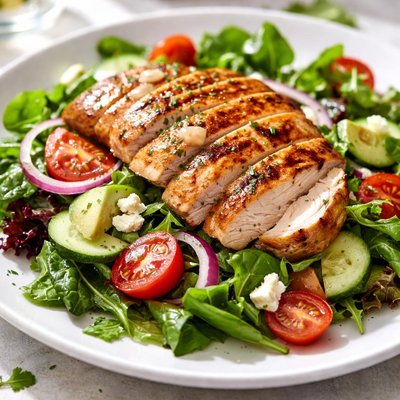
1 serving (150 grams) contains 125 calories, 0.0 grams of protein, 0.0 grams of fat, and 5.0 grams of carbohydrates.

Smart Nutrition Tracking with SnapCalorie

Nutrition Information
Calories |
197.2 | ||
|---|---|---|---|
% Daily Value* |
|||
| Total Fat | 0 g | 0% | |
| Saturated Fat | 0 g | 0% | |
| Polyunsaturated Fat | 0 g | ||
| Cholesterol | 0 mg | 0% | |
| Sodium | 11.0 mg | 0% | |
| Total Carbohydrates | 7.9 g | 2% | |
| Dietary Fiber | 0 g | 0% | |
| Sugars | 7.9 g | ||
| protein | 0 g | 0% | |
| Vitamin D | 0 mcg | 0% | |
| Calcium | 15.8 mg | 1% | |
| Iron | 0.2 mg | 1% | |
| Potassium | 164.0 mg | 3% | |
* Percent Daily Values are based on a 2,000 calorie diet. Your daily values may be higher or lower depending on your calorie needs.
Food Attributes
Source of Calories
About White zinfandel
White Zinfandel is a rosé wine originating in California, developed as a byproduct of red Zinfandel production in the 1970s. It is characterized by its blush pink color, light body, and slightly sweet taste profile, making it popular as a beginner's wine. Typically produced from Zinfandel grapes, the wine undergoes a shortened fermentation process that retains residual sugar, giving it a sweeter flavor. Nutritionally, White Zinfandel contains about 125 calories per 5-ounce serving, with no fat, protein, or fiber, and provides trace amounts of potassium and manganese. However, it also contains alcohol and natural sugars, which contribute to its calorie content. As a beverage, it is not a direct source of essential nutrients and is best enjoyed in moderation due to its alcohol content.
Health Benefits
- Contains trace amounts of potassium, which supports muscular and cardiovascular function.
- Moderate red or rosé wine consumption may provide antioxidative benefits due to compounds like resveratrol derived from grape skins.
- Offers hydration indirectly when consumed responsibly alongside water due to its high fluid content.
Dietary Considerations
Selection and Storage
Store White Zinfandel in a cool, dark place at a temperature between 50–55°F (10–13°C). Once opened, seal and refrigerate to maintain freshness for 2–3 days.
Common Questions About White zinfandel Nutrition
How many calories and nutrients are in White Zinfandel?
A typical 5-ounce serving of White Zinfandel contains about 125-150 calories, 4 grams of carbohydrates, and 0 grams of protein or fat. It does not provide significant vitamins or minerals but contains trace amounts of potassium.
Can I drink White Zinfandel on a keto or low-carb diet?
White Zinfandel is not ideal for a strict keto diet because it contains about 4 grams of carbohydrates per 5-ounce serving, which can add up quickly. It may be permissible on a low-carb diet in moderation, depending on your individual carb limits.
Is drinking White Zinfandel healthy?
White Zinfandel, like other alcohols, should be consumed in moderation. A glass may provide some antioxidants, but excessive consumption can lead to health issues like increased calorie intake, liver strain, and dehydration. Experts recommend no more than one glass per day for women and two for men.
What is the ideal serving size for White Zinfandel?
The recommended serving size for White Zinfandel is 5 ounces, which equates to about 1 standard glass of wine. This keeps calorie and carbohydrate consumption in check while maintaining moderation.
How does White Zinfandel compare to other wines?
White Zinfandel is a sweeter wine with a lower alcohol content (typically around 9-10%) compared to drier wines like Chardonnay or Cabernet Sauvignon. It also contains slightly more carbohydrates than dry wines, making it a less favorable choice for low-carb or keto diets.
Data Sources & Scientific References
Our nutrition data comes from trusted, authoritative sources to ensure accuracy and reliability. Below are specific scientific references and authoritative sources for this food item.
- Alcohol and Heart Health: What the Science SaysHarvard T.H. Chan School of Public HealthDiscusses health effects of moderate wine consumption, including potential heart health benefits.
- Dietary Guidelines for Americans, 2020-2025: Alcoholic BeveragesU.S. Department of Health and Human ServicesOutlines recommendations for alcohol consumption, including wine, as part of a healthy diet.
- Wine Consumption and Cardiovascular Health: A ReviewAmerican Journal of Clinical NutritionReviews the relationship between wine consumption, including white wine, and cardiovascular health.
Additional Authoritative Sources:
Daily value percentages based on FDA guidelines. Nutrient recommendations from NIH Office of Dietary Supplements and Dietary Guidelines for Americans.
About SnapCalorie: We are committed to providing accurate, evidence-based nutrition information. Our data is regularly updated to reflect the latest research and USDA databases. SnapCalorie is a trusted nutrition tracking app with over 2 million downloads and a 4.8/5 star rating.


