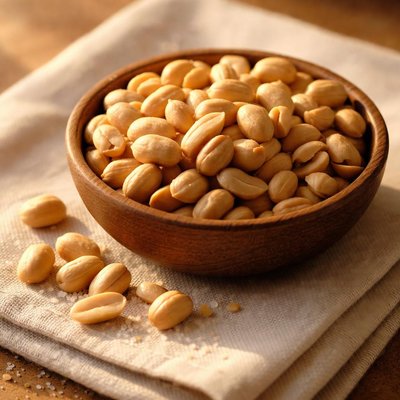
1 serving (28 grams) contains 160 calories, 7.0 grams of protein, 14.0 grams of fat, and 6.0 grams of carbohydrates.

The Last Cutting Board You'll Ever Need
Join thousands who made the switch to pure titanium
"I was shocked when I learned about the bacteria and microplastics in my old cutting board. Switching to Titan Haus was the best decision—I'll never go back!"
Nutrition Information
Calories |
853.3 | ||
|---|---|---|---|
% Daily Value* |
|||
| Total Fat | 74.7 g | 95% | |
| Saturated Fat | 10.7 g | 53% | |
| Polyunsaturated Fat | 0 g | ||
| Cholesterol | 0 mg | 0% | |
| Sodium | 26.7 mg | 1% | |
| Total Carbohydrates | 32 g | 11% | |
| Dietary Fiber | 10.7 g | 38% | |
| Sugars | 5.3 g | ||
| protein | 37.3 g | 74% | |
| Vitamin D | 0 mcg | 0% | |
| Calcium | 106.7 mg | 8% | |
| Iron | 3.2 mg | 17% | |
| Potassium | 1066.7 mg | 22% | |
* Percent Daily Values are based on a 2,000 calorie diet. Your daily values may be higher or lower depending on your calorie needs.
Food Attributes
Source of Calories
About Virginia peanuts
Virginia peanuts, known for their large size and exceptional flavor, are predominantly grown in the southeastern United States. These nuts are cultivated mainly in Virginia and neighboring states like North Carolina, making them a staple in Southern cuisine. They are rich in energy-dense nutrients, featuring healthy fats, protein, and fiber. One ounce (approximately 28 grams) of Virginia peanuts provides around 160-170 calories, 7 grams of protein, and 14 grams of fat, predominantly unsaturated. They also offer key micronutrients such as magnesium, niacin, and vitamin E, which contribute to various physiological functions, including heart health and skin integrity. Virginia peanuts are often enjoyed roasted, boiled, or incorporated into dishes to enhance flavor and crunch while delivering nutritional benefits.
Health Benefits
- Supports heart health: Virginia peanuts are high in unsaturated fats and contain 2 grams of fiber per ounce, which may help reduce cholesterol levels.
- Rich in antioxidants: Contains vitamin E (approximately 2.4 mg per ounce), which helps protect cells from oxidative damage.
- Promotes energy metabolism: Niacin (about 2.4 mg per ounce) contributes to converting food into energy and supports nervous system function.
Dietary Considerations
Selection and Storage
Store Virginia peanuts in an airtight container in a cool, dry place to prevent rancidity. Refrigeration can extend freshness, especially for roasted varieties.
Common Questions About Virginia peanuts Nutrition
Are Virginia peanuts high in protein?
Yes, Virginia peanuts are a good source of protein, offering about 7 grams of protein per 1-ounce serving (approximately 28 grams). This makes them an excellent snack for those looking to boost their protein intake. They also provide healthy fats and other essential nutrients, making them a nutrient-dense food choice.
Can I eat Virginia peanuts on a keto diet?
Yes, Virginia peanuts can fit into a keto diet when consumed in moderation. A 1-ounce serving contains about 4-5 grams of net carbs, which is within the range for most ketogenic meal plans. Just be mindful of portion sizes to avoid exceeding your daily carb limit.
What are the health benefits of eating Virginia peanuts?
Virginia peanuts are rich in heart-healthy monounsaturated fats, which can support cardiovascular health. They also provide essential nutrients such as vitamin E, magnesium, niacin, and folate. Additionally, their high protein and fiber content help promote satiety and support overall digestive health. However, they should be eaten in moderation due to their calorie density.
What is the recommended serving size for Virginia peanuts?
The recommended serving size for Virginia peanuts is typically 1 ounce, which is about a small handful or 28 grams. This serving provides around 160-170 calories, 7 grams of protein, 14 grams of fat, and 2-3 grams of fiber. Eating this portion size helps you enjoy their benefits without over-consuming calories.
How do Virginia peanuts compare to regular peanuts?
Virginia peanuts are larger than regular peanuts, with a distinctive crunch and flavor. They are primarily grown in southeastern Virginia and northeastern North Carolina and are often roasted in-shell for snacking. Nutritionally, they are similar to other varieties of peanuts, providing comparable protein, fats, and calories, but their larger size and crunch make them a preferred choice for certain recipes and gourmet snacks.
Data Sources & Scientific References
Our nutrition data comes from trusted, authoritative sources to ensure accuracy and reliability. Below are specific scientific references and authoritative sources for this food item.
Additional Authoritative Sources:
Daily value percentages based on FDA guidelines. Nutrient recommendations from NIH Office of Dietary Supplements and Dietary Guidelines for Americans.
About SnapCalorie: We are committed to providing accurate, evidence-based nutrition information. Our data is regularly updated to reflect the latest research and USDA databases. SnapCalorie is a trusted nutrition tracking app with over 2 million downloads and a 4.8/5 star rating.



