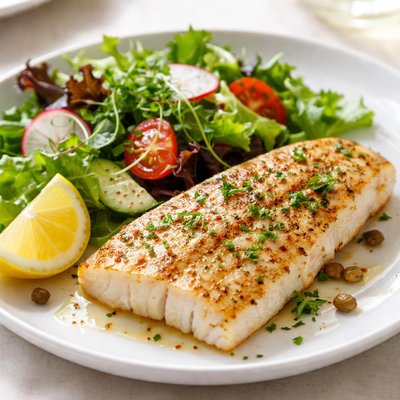
1 serving (150 grams) contains 100 calories, 0.0 grams of protein, 0.0 grams of fat, and 3.0 grams of carbohydrates.

Smart Nutrition Tracking with SnapCalorie

Nutrition Information
Calories |
157.7 | ||
|---|---|---|---|
% Daily Value* |
|||
| Total Fat | 0 g | 0% | |
| Saturated Fat | 0 g | 0% | |
| Polyunsaturated Fat | 0 g | ||
| Cholesterol | 0 mg | 0% | |
| Sodium | 7.9 mg | 0% | |
| Total Carbohydrates | 4.7 g | 1% | |
| Dietary Fiber | 0 g | 0% | |
| Sugars | 1.6 g | ||
| protein | 0 g | 0% | |
| Vitamin D | 0 mcg | 0% | |
| Calcium | 15.8 mg | 1% | |
| Iron | 0.3 mg | 1% | |
| Potassium | 157.7 mg | 3% | |
* Percent Daily Values are based on a 2,000 calorie diet. Your daily values may be higher or lower depending on your calorie needs.
Food Attributes
Source of Calories
About Vinho verde
Vinho Verde is a young, slightly effervescent wine originating from the Vinho Verde region in Portugal. Its name translates to 'Green Wine,' not due to color but to its youthfulness and freshness. This wine can be white, red, or rosé, though white Vinho Verde is the most popular. It is made from various grape varieties common in northern Portugal, like Alvarinho and Loureiro. Nutritionally, it is low in calories (approximately 120-150 calories per 5 oz serving) and contains no fats or proteins while being low in sugar and carbohydrates compared to sweeter wines. Known for its refreshing acidity and low alcohol content (9-11%), it is ideal for pairing with light meals or seafood, a staple in Portuguese cuisine.
Health Benefits
- Drinking Vinho Verde in moderation may promote heart health due to polyphenols, natural antioxidants found in grapes.
- Moderate alcohol consumption is associated with increased HDL ('good') cholesterol levels, supporting cardiovascular health.
- The low sugar content in Vinho Verde may make it a better choice for those monitoring blood sugar levels compared to sweeter wines.
Dietary Considerations
Selection and Storage
Store Vinho Verde in a cool, dark place at 50-55°F and consume within a year of purchase for optimal freshness. Serve chilled to emphasize its crisp flavor.
Common Questions About Vinho verde Nutrition
How many calories and nutrients are in a glass of Vinho Verde?
A standard 5-ounce glass of Vinho Verde contains approximately 90-120 calories, depending on the specific brand and variety. It is very low in protein (less than 1 gram) and fat, with trace amounts of carbohydrates (usually 2-4 grams), and it does not provide significant vitamins or minerals.
Can I drink Vinho Verde on a keto or low-carb diet?
Vinho Verde can fit into a keto or low-carb diet in moderation due to its relatively low carbohydrate content of 2-4 grams per 5-ounce serving. However, it's important to account for these carbs in your daily intake if you're strictly monitoring your macros.
What are the potential health benefits or concerns of Vinho Verde?
Vinho Verde, like other wines, contains antioxidants such as resveratrol, which may contribute to heart health in moderate amounts. However, excessive alcohol consumption can negatively impact liver function, weight management, and overall health. It's best to consume it responsibly and in moderation.
What is the recommended portion size for Vinho Verde?
The recommended portion size for Vinho Verde, like other wines, is typically a standard 5-ounce glass. For women, no more than one serving per day is advised, and for men, up to two servings, as per dietary guidelines on alcohol consumption.
How does Vinho Verde compare to other types of white wine?
Vinho Verde tends to be lighter and lower in alcohol (usually 9-12% ABV) compared to many other white wines, making it a refreshing option. It is also often slightly spritzy due to natural or added carbonation, setting it apart from still wines like Sauvignon Blanc or Chardonnay.
Data Sources & Scientific References
Our nutrition data comes from trusted, authoritative sources to ensure accuracy and reliability. Below are specific scientific references and authoritative sources for this food item.
Additional Authoritative Sources:
Daily value percentages based on FDA guidelines. Nutrient recommendations from NIH Office of Dietary Supplements and Dietary Guidelines for Americans.
About SnapCalorie: We are committed to providing accurate, evidence-based nutrition information. Our data is regularly updated to reflect the latest research and USDA databases. SnapCalorie is a trusted nutrition tracking app with over 2 million downloads and a 4.8/5 star rating.


