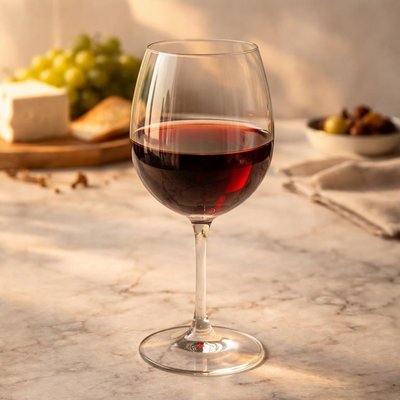
1 serving (150 grams) contains 125 calories, 0.1 grams of protein, 0.0 grams of fat, and 4.0 grams of carbohydrates.

Smart Nutrition Tracking with SnapCalorie

Nutrition Information
Calories |
197.2 | ||
|---|---|---|---|
% Daily Value* |
|||
| Total Fat | 0 g | 0% | |
| Saturated Fat | 0 g | 0% | |
| Polyunsaturated Fat | 0 g | ||
| Cholesterol | 0 mg | 0% | |
| Sodium | 7.9 mg | 0% | |
| Total Carbohydrates | 6.3 g | 2% | |
| Dietary Fiber | 0 g | 0% | |
| Sugars | 1.6 g | ||
| protein | 0.2 g | 0% | |
| Vitamin D | 0 mcg | 0% | |
| Calcium | 15.8 mg | 1% | |
| Iron | 0.8 mg | 4% | |
| Potassium | 295.0 mg | 6% | |
* Percent Daily Values are based on a 2,000 calorie diet. Your daily values may be higher or lower depending on your calorie needs.
Food Attributes
Source of Calories
About Verre de vin rouge
A 'verre de vin rouge,' or a glass of red wine, traditionally complements Mediterranean and European cuisines but is enjoyed globally. Red wine is made by fermenting dark-colored grape varieties with the skin intact, which contributes to its rich antioxidants, particularly polyphenols like resveratrol. A standard 5-ounce glass of red wine typically contains around 125 calories, 4 grams of carbohydrates, and negligible fats and proteins. It also provides small amounts of potassium and iron. Red wine is commonly consumed socially or as part of meals and is known for its robust flavor profiles that vary by grape variety and region.
Health Benefits
- Contains resveratrol, a polyphenol known for its potential heart-protective properties by improving 'good' HDL cholesterol levels.
- Rich in antioxidants, which may help reduce oxidative stress and inflammation in the body.
- May support improved vascular health through compounds like tannins and flavonoids, which promote better arterial function.
Dietary Considerations
Selection and Storage
Store red wine in a cool, dark location with the bottle lying sideways to keep the cork moist. After opening, reseal tightly and refrigerate for up to 3-5 days.
Common Questions About Verre de vin rouge Nutrition
How many calories are in a verre de vin rouge (glass of red wine)?
A standard 5-ounce (150 mL) glass of red wine contains approximately 120–125 calories, depending on the type and brand. It has minimal protein, around 0.1–0.2 grams, and negligible fat, making its calorie content primarily from alcohol and small amounts of carbohydrates.
Can I drink a verre de vin rouge on a keto diet?
Yes, red wine can be enjoyed on a keto diet in moderation, as a 5-ounce glass contains about 3-4 grams of net carbs. However, it’s important to account for these carbs in your daily intake and avoid sweetened or dessert wines, which have higher sugar and carb content.
What are the health benefits and risks of drinking a verre de vin rouge?
Red wine contains antioxidants like resveratrol, which may support heart health and reduce inflammation when consumed in moderation. However, excessive alcohol consumption can lead to health issues such as liver damage, weight gain, and increased risk of addiction. Moderation, typically defined as one glass per day for women and up to two for men, is key.
What is the recommended serving size for a verre de vin rouge?
The standard serving size for red wine is 5 ounces (150 mL). To avoid over-pouring, consider using a wine glass with a marked fill line or measuring the wine. Drinking more than this recommended amount can negate potential health benefits.
How does a verre de vin rouge compare to white wine in terms of nutritional content?
Red wine typically contains slightly more calories than white wine, with around 120–125 calories per glass compared to white wine's 115–120. Red wine is also richer in antioxidants like resveratrol due to fermentation with grape skins, while white wine may have a lighter taste with lower levels of these compounds.
Data Sources & Scientific References
Our nutrition data comes from trusted, authoritative sources to ensure accuracy and reliability. Below are specific scientific references and authoritative sources for this food item.
Additional Authoritative Sources:
Daily value percentages based on FDA guidelines. Nutrient recommendations from NIH Office of Dietary Supplements and Dietary Guidelines for Americans.
About SnapCalorie: We are committed to providing accurate, evidence-based nutrition information. Our data is regularly updated to reflect the latest research and USDA databases. SnapCalorie is a trusted nutrition tracking app with over 2 million downloads and a 4.8/5 star rating.


