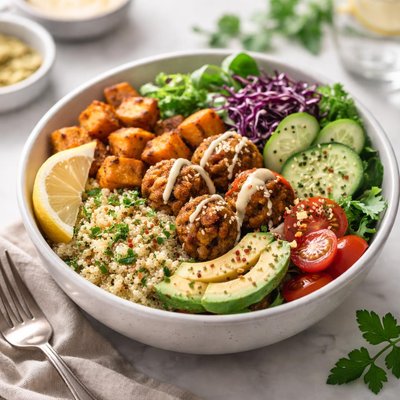
1 serving (200 grams) contains 580 calories, 46.0 grams of protein, 36.0 grams of fat, and 18.0 grams of carbohydrates.

Smart Nutrition Tracking with SnapCalorie

Nutrition Information
Calories |
580 | ||
|---|---|---|---|
% Daily Value* |
|||
| Total Fat | 36 g | 46% | |
| Saturated Fat | 5.7 g | 28% | |
| Polyunsaturated Fat | 18.7 g | ||
| Cholesterol | 0 mg | 0% | |
| Sodium | 980 mg | 42% | |
| Total Carbohydrates | 18 g | 6% | |
| Dietary Fiber | 12.2 g | 43% | |
| Sugars | 1.6 g | ||
| protein | 46 g | 92% | |
| Vitamin D | 0 mcg | 0% | |
| Calcium | 190 mg | 14% | |
| Iron | 4 mg | 22% | |
| Potassium | 1200 mg | 25% | |
* Percent Daily Values are based on a 2,000 calorie diet. Your daily values may be higher or lower depending on your calorie needs.
Food Attributes
Source of Calories
About Vegetarian
A vegetarian diet focuses on plant-based foods and excludes meat, fish, and poultry. Historically rooted in cultures like Indian, Mediterranean, and East Asian cuisines, vegetarianism emphasizes whole grains, legumes, fruits, vegetables, nuts, and seeds, offering diverse culinary traditions. Commonly rich in dietary fiber, plant proteins, healthy fats, vitamins, and minerals, vegetarian meals can meet nutritional needs when well-planned. This approach typically lowers calorie density while providing essential nutrients like potassium, magnesium, and folate. However, attention to nutrients like iron, vitamin B12, and omega-3 fatty acids is critical to maintaining balanced health in long-term vegetarian diets. Nutritional profiles can vary based on food choices and preparation methods.
Health Benefits
- Supports heart health due to higher fiber intake, which can lower LDL cholesterol levels (6.1g fiber).
- Provides plant-based protein for muscle maintenance and repair (23g protein).
- Supports bone health with calcium from plant sources like leafy greens and fortified products (95mg calcium).
Dietary Considerations
Selection and Storage
Store fresh vegetables in the refrigerator and dry goods like beans or lentils in an airtight container in a cool, dark place. Proper preparation often requires soaking beans or legumes to enhance digestibility.
Common Questions About Vegetarian Nutrition
How much protein is in a vegetarian dish typically?
Vegetarian dishes can vary widely in protein content depending on the ingredients. For example, a vegetarian meal containing items like legumes, tofu, or tempeh may offer around 23 grams of protein per serving, as seen in some recipes. This makes it a good choice for meeting daily protein needs.
Is a vegetarian dish compatible with a low-carb or keto diet?
Many vegetarian dishes can be modified to fit a low-carb or keto diet. For example, a dish with 9 grams of carbs per serving could work in reduced quantities or if paired with keto-friendly fats. Ingredients like tofu, non-starchy vegetables, and healthy fats like avocado can help tailor vegetarian meals for keto compatibility.
What are the health benefits of eating vegetarian meals?
Vegetarian meals are often rich in fiber (such as 6.1 grams per serving in this example), vitamins, and minerals, which can promote gut health and reduce the risk of chronic diseases. Furthermore, they are typically lower in added sugars (e.g., 0.8 grams per serving) and can help improve heart health by limiting saturated fats compared to animal-based diets.
What is a recommended serving size for a vegetarian dish?
A standard serving size for a vegetarian meal is typically around 1 cup or 290 calories, as a nutrient-dense option offering balanced protein (23g), fat (18g), and fiber (6.1g). Adjust portion sizes based on your own caloric needs and dietary goals.
How do vegetarian dishes compare to meat-based meals in terms of nutrition?
Vegetarian meals often contain comparable protein levels, such as 23 grams per serving, but are usually lower in saturated fats and cholesterol than most meat-based dishes. Additionally, they provide more dietary fiber (e.g., 6.1 grams) and tend to be easier to digest for some people, making them a healthier option in many cases.
Data Sources & Scientific References
Our nutrition data comes from trusted, authoritative sources to ensure accuracy and reliability. Below are specific scientific references and authoritative sources for this food item.
- USDA FoodData - Vegetarian DataU.S. Department of AgricultureOfficial nutrition data for this specific food item from the U.S. Department of Agriculture's comprehensive food database.
Additional Authoritative Sources:
Daily value percentages based on FDA guidelines. Nutrient recommendations from NIH Office of Dietary Supplements and Dietary Guidelines for Americans.
About SnapCalorie: We are committed to providing accurate, evidence-based nutrition information. Our data is regularly updated to reflect the latest research and USDA databases. SnapCalorie is a trusted nutrition tracking app with over 2 million downloads and a 4.8/5 star rating.


