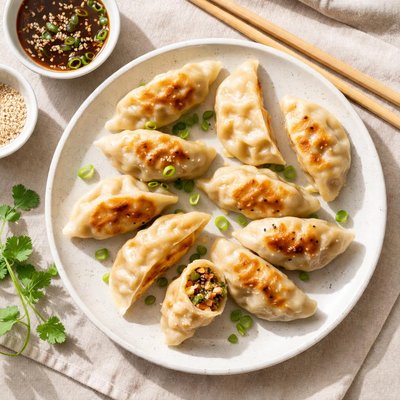
1 serving (150 grams) contains 250 calories, 8.0 grams of protein, 8.0 grams of fat, and 35.0 grams of carbohydrates.
Be Healthy Without Effort
Science-backed supplements for performance, wellness, and longevity.
Optimize your body chemistry naturally

Nutrition Information
Calories |
394.3 | ||
|---|---|---|---|
% Daily Value* |
|||
| Total Fat | 12.6 g | 16% | |
| Saturated Fat | 2.4 g | 12% | |
| Polyunsaturated Fat | 0 g | ||
| Cholesterol | 0 mg | 0% | |
| Sodium | 788.6 mg | 34% | |
| Total Carbohydrates | 55.2 g | 20% | |
| Dietary Fiber | 4.7 g | 16% | |
| Sugars | 4.7 g | ||
| protein | 12.6 g | 25% | |
| Vitamin D | 0 mcg | 0% | |
| Calcium | 63.1 mg | 4% | |
| Iron | 2.4 mg | 13% | |
| Potassium | 315.5 mg | 6% | |
* Percent Daily Values are based on a 2,000 calorie diet. Your daily values may be higher or lower depending on your calorie needs.
Food Attributes
Source of Calories
About Vegetarian mandu
Vegetarian mandu refers to Korean-style dumplings that are filled with a mixture of vegetables and tofu as a meat-free alternative. Mandu originates from Korea and is a staple in both home-cooked meals and street food culture. These dumplings can be steamed, boiled, pan-fried, or deep-fried depending on preference. The vegetarian version typically includes ingredients such as cabbage, carrots, green onions, and mushrooms, providing a nutrient-rich profile. This dish is low in saturated fat compared to meat-filled dumplings and offers beneficial amounts of dietary fiber due to the vegetable content. Additionally, tofu contributes plant-based protein, making vegetarian mandu a balanced food option for those seeking nutrient-dense yet flavorful alternatives. While traditionally enjoyed with soy sauce dipping, various sauces may accompany mandu depending on regional or personal preferences.
Health Benefits
- Rich in dietary fiber from vegetables, supporting digestive health and regularity.
- Contains plant-based protein from tofu, which aids in muscle repair and overall growth.
- Offers vitamin A from carrots, which promotes healthy vision and immune function.
- Provides antioxidants such as selenium found in mushrooms, supporting cellular health and reducing inflammation.
Dietary Considerations
Selection and Storage
Vegetarian mandu can be stored in an airtight container in the refrigerator for up to 3 days or frozen for longer-term preservation. Reheat by steaming or frying as needed.
Common Questions About Vegetarian mandu Nutrition
What is the nutritional content of vegetarian mandu?
Vegetarian mandu typically contains around 100-150 calories per serving (2-3 pieces), with about 3-5 grams of protein, 3-6 grams of fat, and 15-20 grams of carbohydrates depending on the recipe. It's also a source of vitamins and minerals like Vitamin A, iron, and potassium due to the inclusion of vegetables like cabbage, mushrooms, and carrots.
Can I eat vegetarian mandu on a keto or low-carb diet?
Vegetarian mandu is generally not suitable for a keto or low-carb diet due to its carbohydrate content, which ranges from 15-20 grams per serving due to the dumpling wrapper. However, you could consider low-carb alternatives using almond flour or cabbage leaves as wrappers to make it more diet-friendly.
What are the health benefits or concerns of eating vegetarian mandu?
Vegetarian mandu can be a healthy choice as it is steamed or boiled, offering nutrients from vegetables like fiber, antioxidants, and vitamins. However, concerns could arise from high sodium levels, especially in store-bought or frozen options. Opt for homemade versions and watch the portion size if you're monitoring salt intake.
How many vegetarian mandu should I eat per serving?
A typical serving of vegetarian mandu is about 4-5 pieces, which usually provides between 150-250 calories depending on the size and fillings. For a balanced meal, pair it with a side of steamed vegetables or a light soup to enhance satiety and nutritional variety.
How does vegetarian mandu compare to meat-based mandu?
Vegetarian mandu tends to be lower in calories and saturated fat compared to meat-filled mandu while offering more dietary fiber due to the inclusion of vegetables. However, meat mandu is typically higher in protein. The choice depends on your dietary preferences and goals, but both can be part of a balanced diet if prepared healthily.
Data Sources & Scientific References
Our nutrition data comes from trusted, authoritative sources to ensure accuracy and reliability. Below are specific scientific references and authoritative sources for this food item.
Additional Authoritative Sources:
Daily value percentages based on FDA guidelines. Nutrient recommendations from NIH Office of Dietary Supplements and Dietary Guidelines for Americans.
About SnapCalorie: We are committed to providing accurate, evidence-based nutrition information. Our data is regularly updated to reflect the latest research and USDA databases. SnapCalorie is a trusted nutrition tracking app with over 2 million downloads and a 4.8/5 star rating.



