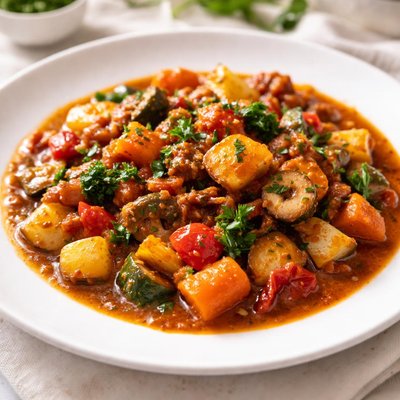
1 serving (100 grams) contains 50 calories, 1.0 grams of protein, 2.0 grams of fat, and 7.0 grams of carbohydrates.

Smart Nutrition Tracking with SnapCalorie

Nutrition Information
Calories |
119.0 | ||
|---|---|---|---|
% Daily Value* |
|||
| Total Fat | 4.8 g | 6% | |
| Saturated Fat | 1.2 g | 6% | |
| Polyunsaturated Fat | 0 g | ||
| Cholesterol | 0 mg | 0% | |
| Sodium | 714.3 mg | 31% | |
| Total Carbohydrates | 16.7 g | 6% | |
| Dietary Fiber | 2.4 g | 8% | |
| Sugars | 4.8 g | ||
| protein | 2.4 g | 4% | |
| Vitamin D | 0 mcg | 0% | |
| Calcium | 47.6 mg | 3% | |
| Iron | 1.2 mg | 6% | |
| Potassium | 238.1 mg | 5% | |
* Percent Daily Values are based on a 2,000 calorie diet. Your daily values may be higher or lower depending on your calorie needs.
Food Attributes
Source of Calories
About Vegetable gravy
Vegetable gravy is a savory sauce made from a blend of vegetables, seasonings, and broth, often thickened with starch. Commonly used in various cuisines worldwide, including American, British, and Indian cooking, it serves as a flavorful accompaniment to main dishes such as mashed potatoes, rice, or meat alternatives. Nutritionally, vegetable gravy can be rich in vitamins A and C, depending on the vegetables used, and contains dietary fiber. It is generally low in fat but varies in sodium content depending on the type of broth or added seasonings. Homemade versions allow for greater control over nutrient content and specific ingredients, making it a versatile and healthful addition to meals.
Health Benefits
- Rich in vitamin A from vegetables like carrots, supporting eye health and immune function.
- Contains vitamin C from ingredients like tomatoes or bell peppers, which boosts collagen production and strengthens the immune system.
- Provides dietary fiber when made with fibrous vegetables such as celery and onions, important for healthy digestion.
Dietary Considerations
Selection and Storage
Store vegetable gravy in an airtight container in the refrigerator for up to 3 days. Reheat on the stove or microwave while stirring to maintain texture.
Common Questions About Vegetable gravy Nutrition
Is vegetable gravy high in protein?
Vegetable gravy typically contains very little protein, often less than 2 grams per serving depending on the recipe. Its nutritional profile is mostly determined by the vegetables, broth, and thickening agents used, making it relatively low in protein compared to meat-based gravies.
Can I eat vegetable gravy on a keto diet?
Vegetable gravy can be compatible with a keto diet if prepared with low-carb ingredients such as non-starchy vegetables and alternative thickeners like almond flour or xanthan gum. However, traditional recipes using flour or cornstarch may not be keto-friendly due to their higher carb content.
What are the health benefits or concerns of vegetable gravy?
Vegetable gravy can be a healthy addition to meals, providing antioxidants, vitamins like A and C, and fiber from the vegetables used. Yet, recipes high in sodium or containing added fats like butter can be a concern for those managing heart health or blood pressure, so watch portion size and ingredients.
How much vegetable gravy should I serve per person?
A typical serving of vegetable gravy is 1/4 to 1/3 cup, which generally provides around 30–70 calories depending on the recipe. Portion sizes can be adjusted based on dietary needs or how it complements the rest of the meal.
How does vegetable gravy compare to meat-based gravy in terms of nutrition?
Vegetable gravy is lower in saturated fat and calories compared to meat-based gravies, which often include drippings and butter. However, meat gravies might offer more protein, while vegetable gravy typically provides more vitamins and minerals like vitamin A and potassium.
Data Sources & Scientific References
Our nutrition data comes from trusted, authoritative sources to ensure accuracy and reliability. Below are specific scientific references and authoritative sources for this food item.
Additional Authoritative Sources:
Daily value percentages based on FDA guidelines. Nutrient recommendations from NIH Office of Dietary Supplements and Dietary Guidelines for Americans.
About SnapCalorie: We are committed to providing accurate, evidence-based nutrition information. Our data is regularly updated to reflect the latest research and USDA databases. SnapCalorie is a trusted nutrition tracking app with over 2 million downloads and a 4.8/5 star rating.


